
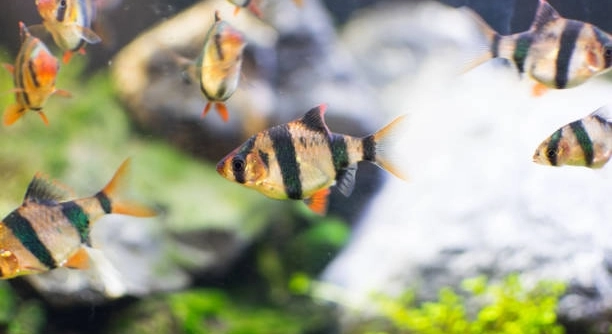
Do you have tiger barbs in your aquarium and want to know how they react to water movement? Many fishkeepers wonder if these active fish enjoy or dislike currents in their tank. Understanding their preference can help keep them healthy and happy.
Tiger barbs generally tolerate moderate water current well, as it mimics their natural river habitats. Strong currents, however, can cause stress and reduce their comfort in the tank. Proper flow balance is essential for their wellbeing.
Learning about how water flow affects tiger barbs can improve your aquarium setup. It helps create a better environment for your fish to thrive and stay energetic over time.
Understanding Tiger Barbs and Their Natural Habitat
Tiger barbs come from fast-flowing rivers and streams in Southeast Asia. Their natural environment often has moderate currents that keep the water clean and oxygen-rich. This helps the fish stay active and healthy. In a home aquarium, replicating some water movement can be beneficial for tiger barbs. However, if the current is too strong, they may become tired and stressed. It is important to find a balance that mimics their natural surroundings without pushing them too hard. By observing how your fish behave near filters or pumps, you can adjust the flow to a comfortable level. A gentle to moderate current often encourages natural swimming behavior and keeps the fish engaged.
Water flow affects oxygen levels and waste removal, which also impact fish health. Good circulation is necessary, but excessive flow can disrupt the tank environment.
Maintaining a well-balanced current in the aquarium creates a stable environment that supports tiger barbs’ natural instincts. Proper water movement helps them swim comfortably and supports their overall health.
How to Adjust Tank Current for Tiger Barbs
When setting up your tank, consider using adjustable filters or powerheads to control water flow.
Choosing the right equipment lets you control how strong the current is. Start with a low to moderate flow and watch how the tiger barbs respond. If they struggle or hide, reduce the current. If they swim actively and seem comfortable, the flow is likely suitable. Positioning the filter output away from where the fish rest can also help reduce stress. Some aquarists add decorations or plants to break up strong currents. This gives the fish areas to retreat and rest when needed. Finding the right current level takes some trial and error, but it improves your tiger barbs’ wellbeing and keeps them lively in your tank.
Signs Tiger Barbs Dislike Strong Currents
Tiger barbs may show clear signs when the water current is too strong for them. They often hide more than usual or stay in corners away from the flow. You might notice less active swimming or frequent attempts to rest near plants or decorations.
Stress from strong currents can make tiger barbs lose their bright colors or become more aggressive. If they seem tired and stop schooling, it’s a sign they need calmer water. Fish gasping at the surface or clinging to objects may indicate difficulty swimming against the current. Adjusting the flow will help them feel safer and reduce stress, making their behavior more natural.
Monitoring your fish closely helps ensure they live comfortably. Strong currents can be exhausting, so watching for these signs keeps your tank a pleasant space for your tiger barbs.
Best Equipment to Manage Current in a Tiger Barb Tank
Filters with adjustable flow rates are ideal for controlling current strength in a tiger barb tank. They allow you to tailor the water movement to suit your fish’s needs without creating excessive force. Sponge filters, for example, provide gentle circulation that maintains good water quality without strong currents.
Powerheads with variable speed settings offer flexibility in larger tanks. You can start at a low flow and gradually increase it while observing your fish. Using spray bars or diffusers spreads the water flow more evenly and reduces strong jets that can stress tiger barbs.
Adding decorations and plants can break up strong currents and create calm zones where the fish can rest. Combining the right equipment with thoughtful tank layout keeps your tiger barbs comfortable and active.
Ideal Tank Setup for Tiger Barbs
A tank with plenty of plants and hiding spots helps tiger barbs feel secure, especially when currents are present. Decorations like rocks or driftwood can break up water flow and provide calm areas for resting.
Using a medium-sized tank with a gentle to moderate current best suits tiger barbs. Avoid strong, direct water jets that can overwhelm them.
Feeding Behavior and Water Current
Strong currents can affect how tiger barbs feed. If the flow is too fast, they may struggle to reach food or get pushed away. A calmer feeding area ensures all fish get their share and reduces stress during meal times.
Monitoring Fish Health with Currents
Keep an eye on your tiger barbs for signs of stress linked to water movement. Healthy fish will swim actively and display bright colors without hiding excessively.
Tank Maintenance and Flow Control
Regularly clean filters and adjust flow settings to maintain optimal water current and environment for tiger barbs.
FAQ
Do tiger barbs need a strong current to stay healthy?
Tiger barbs do not require a strong current to thrive. They come from natural environments with moderate water flow, so a gentle to moderate current is enough to mimic their habitat. Strong currents can stress them and cause exhaustion, so it’s better to keep the flow mild.
Can tiger barbs live in tanks without any current?
Yes, tiger barbs can live in tanks with little to no current, especially if the tank is well-maintained with proper filtration and oxygenation. However, some water movement helps with oxygen levels and waste removal, so a gentle flow is generally recommended.
What signs show that tiger barbs are uncomfortable with the current?
Signs include hiding frequently, resting near tank decorations, reduced swimming activity, faded colors, and sometimes increased aggression. If they avoid open swimming areas or gasp near the surface, the current is likely too strong for them.
How can I reduce strong water flow in my tank?
You can redirect the filter output away from open swimming areas or use spray bars and diffusers to spread water flow more evenly. Adding plants or decorations also helps break up the current, creating calmer spots for your fish.
Is it okay to have a variable flow in a tank with tiger barbs?
Yes, having the ability to adjust flow is ideal. Starting with low flow and gradually increasing it while observing your fish allows you to find the right balance. Variable flow equipment helps maintain a comfortable environment.
What types of filters work best for tanks with tiger barbs?
Filters with adjustable flow rates, like sponge filters or canister filters with flow control, work well. These allow you to manage the current strength to suit the fish’s needs and keep water clean.
Can strong currents affect feeding behavior?
Yes, strong currents can push food around and make it harder for tiger barbs to eat. Providing food in calm areas or turning off strong flows during feeding can improve feeding success and reduce stress.
Do tiger barbs prefer tank mates that like strong currents?
It’s best to choose tank mates with similar current preferences. Aggressive swimmers that enjoy strong currents might stress tiger barbs. Peaceful fish comfortable in moderate flow create a balanced environment.
How often should I check the water current in my aquarium?
Regular observation is key. Check the current whenever you clean or adjust equipment, and watch your fish behavior daily. Adjust flow as needed based on how your tiger barbs react.
Can plants help manage water current for tiger barbs?
Yes, live or artificial plants reduce water flow by creating natural barriers. This breaks up strong currents and provides resting areas. Plants also improve tank aesthetics and offer hiding spots for fish.
What is the risk of ignoring strong currents in a tiger barb tank?
Ignoring strong currents can lead to chronic stress, weakened immune systems, and increased aggression. Over time, this reduces fish health and may cause illness or premature death.
Are powerheads necessary in a tiger barb tank?
Powerheads are not necessary but can be useful in larger tanks to improve water circulation. When used, ensure the flow is gentle and spread evenly to avoid stressing the fish.
Can tank size affect how much current tiger barbs need?
Yes, smaller tanks usually need less flow, while larger tanks benefit from more circulation to maintain water quality. Adjust current strength based on tank size and fish behavior.
How do I know if my filter is creating too much current?
If fish constantly struggle to swim or avoid certain tank areas, the current is too strong. Visible water turbulence and plants or decorations moving violently are also signs of excessive flow.
Can adjusting the current improve tiger barb behavior?
Yes, proper current adjustment can encourage natural swimming, reduce stress, and promote vibrant colors. It also supports healthy schooling behavior and social interaction among tiger barbs.
Should I turn off the filter during feeding to reduce current?
Temporarily turning off or lowering filter flow during feeding can help tiger barbs eat more easily. Just make sure to turn it back on quickly to maintain water quality.
What equipment settings should I check to manage tank current?
Look for adjustable valves, flow rate dials, or removable spray bars on your filter or powerhead. These features let you fine-tune the water flow to suit your fish’s comfort.
Are there natural ways to reduce current besides equipment adjustments?
Adding plants, rocks, and driftwood helps slow water movement. These decorations create calm zones and break up the flow without mechanical changes.
How long does it take for tiger barbs to adjust to a new current?
Adjustment time varies but usually ranges from a few days to two weeks. Observing their behavior closely during this period helps you decide if further changes are needed.
What’s the best way to test if the current level is right?
Watch your tiger barbs swim and interact. Active swimming, schooling behavior, and bright colors show they are comfortable. Excessive hiding or lethargy indicates the current might be too strong.
Finding the right water current for tiger barbs is important for their health and happiness. These fish come from rivers with moderate flow, so they do well with gentle to medium currents in the tank. Too much flow can tire them out and cause stress, while too little might not provide enough oxygen and circulation. Keeping a balanced current helps tiger barbs swim naturally and stay active. It also supports clean water, which is key to their wellbeing.
When setting up a tank for tiger barbs, it is helpful to use filters and equipment that allow you to control the water flow. Adjustable filters or powerheads give flexibility to find the best current level. Watching your fish closely will tell you if the current is right. If they hide a lot, swim awkwardly, or lose their color, the flow may be too strong. Adding plants and decorations can also reduce strong currents by creating calm spots. These resting areas help tiger barbs feel safe and less stressed in the tank.
Regular maintenance and care play a big role in keeping the water current suitable. Cleaning filters and checking flow rates ensure the environment stays stable. During feeding times, lowering the current can help fish eat without difficulty. Over time, you will learn how your tiger barbs respond best to water movement. Adjusting the current to meet their needs helps them live longer and happier lives. A tank with balanced flow creates a healthy and peaceful home for these lively fish.

Hello,
If you enjoy the content that we create, please consider saying a "Thank You!" by leaving a tip.
Every little bit helps us continue crafting quality advice that supports the health, happiness, and well-being of pets around the world, for pets of all shapes, sizes, and species.
We really appreciate the kindness and support that you show us!