
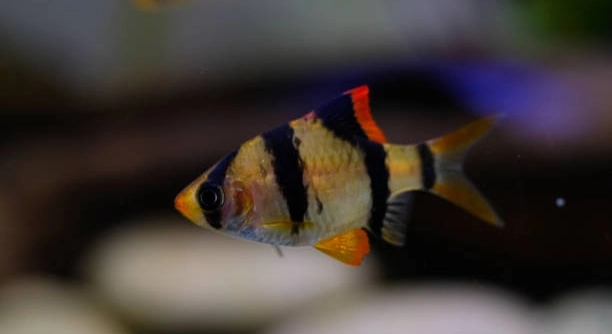
Are your tiger barbs swimming in a dull aquarium that feels a little too plain? Creating the right tank setup can make a big difference in their behavior, mood, and overall health, especially when it comes to color.
Tiger barbs are highly visual and active fish, and they tend to thrive in colorful tanks that mimic their natural habitat. Bright plants, varied substrates, and lively surroundings can encourage social behaviors and reduce stress-related aggression.
Bringing more color into their space can do more than just make your tank look nice—it can help your fish feel more at home.
Why Color Matters in a Tiger Barb Tank
Tiger barbs are naturally drawn to bright and dynamic environments. In the wild, they live in clear, vegetated streams where light plays off plants and rocks. Mimicking this environment in your tank helps them feel more secure. When the tank includes colorful plants, varied decorations, and a contrast in substrate, it gives tiger barbs places to explore, hide, and interact. These visual elements can reduce stress, encourage healthy movement, and even reduce fin-nipping behaviors that can arise from boredom. Colorful surroundings also provide stimulation, which is important for active species like tiger barbs. Even simple additions like vibrant rocks or floating plants can make a noticeable difference in their mood and behavior. While color alone won’t solve all tank issues, it does support the overall balance and well-being of your fish. A visually engaging tank setup is one of the easiest ways to support their active nature.
Bright tanks do more than look good—they also help tiger barbs stay active and less aggressive toward tank mates.
A dull, empty tank can make tiger barbs feel exposed and anxious. Adding colors not only gives them comfort but also helps create natural hiding spots. They feel more confident when they have visual breaks and contrast in their surroundings.
Choosing the Right Tank Colors and Decorations
Tiger barbs respond best to tanks with rich green plants, earthy browns, and some pops of brighter colors like red or orange.
When decorating the tank, it’s good to mix natural and artificial elements. Live plants like java fern or anubias can offer cover while improving water quality. Colored gravel or stones can be added in moderation, but it’s best to avoid overly reflective surfaces. These may confuse or startle your tiger barbs. Backgrounds with forest or riverbed patterns work well, especially when paired with side lighting to enhance depth. Floating plants can filter light and make them feel more secure. Toys or ornaments with gentle shapes and no sharp edges are also fine, especially if they blend in naturally. The goal is to offer a mix of visual interest and physical safety. Color should be used to imitate a natural feel, not overwhelm the fish. If done right, your tank becomes a space where your tiger barbs feel safe and stay active without becoming aggressive or stressed.
How Lighting Affects Tiger Barb Behavior
Lighting can change how tiger barbs behave in their tank. Soft, balanced lighting makes them feel more at ease, while overly bright or inconsistent lighting can stress them out and increase aggression.
Tiger barbs are active during the day and rest at night, so a consistent light cycle helps keep their routine stable. Aim for about 8 to 10 hours of light daily. Use lighting that highlights the colors of the tank without being too intense. LED lights with adjustable settings are a good option because you can control brightness and tone. Avoid sudden changes in light, like switching it on in a dark room, as this can startle your fish. A gentle light ramp-up and ramp-down is best. Natural-looking light also helps their colors appear more vibrant, which enhances both their appearance and comfort in the tank.
Avoid harsh white lights that make the tank look sterile. Instead, use warm-toned lighting that mimics natural daylight. Soft blues during the evening can help create a calming environment. This kind of lighting setup supports both their behavior and appearance. It also helps the tank decorations stand out, which adds more visual depth for the fish to explore and enjoy daily.
Tank Mates and Social Stimulation
Tiger barbs are social fish that do best in groups of at least six. When kept alone or in too-small groups, they often become anxious or aggressive. A group allows them to form natural pecking orders and stay engaged.
Choosing the right tank mates is important for keeping peace in a shared tank. Tiger barbs can be fin-nippers, especially if they feel bored or crowded. It’s best to avoid long-finned fish like angelfish or bettas. Instead, pick fast-moving fish like danios or loaches that can keep up with their energy. Keep the tank size in mind—more space helps reduce tension. Add plants or decorations that break up sightlines, which can ease territorial behavior. A balanced group of tiger barbs and compatible tank mates, along with plenty of color and movement in the tank, gives them the stimulation they need without causing stress or conflict.
Signs Your Tiger Barbs Enjoy the Tank
When tiger barbs enjoy their tank, they swim actively in groups and explore all areas of the aquarium. You’ll notice they chase each other playfully but without signs of stress or injury.
Healthy tiger barbs have bright colors, clear eyes, and eat regularly. They won’t hide constantly or nip at others too aggressively.
What to Avoid in a Colorful Tank
Avoid using decorations with sharp edges or small parts that can trap fish. Bright colors are helpful, but too many unnatural neon tones can overstimulate or confuse tiger barbs. Stick to a mix of soft greens, browns, and one or two bold accents. Keep lighting consistent and avoid reflective backgrounds that can cause anxiety.
Final Thoughts on Tank Appearance
A colorful tank can support your tiger barbs’ activity and comfort when done thoughtfully. Choose natural tones, add safe decorations, and pay attention to their behavior for the best results.
FAQ
Do tiger barbs get bored in plain tanks?
Yes, tiger barbs can get bored in tanks that lack color, decoration, or stimulation. They are very active and curious fish. A plain tank with no plants or variety may cause them to become restless or aggressive toward each other. Including a range of textures, hiding spots, and colorful plants helps keep them mentally and physically engaged. Boredom can lead to fin-nipping, pacing, and chasing, so a more vibrant tank setup helps prevent those behaviors. It doesn’t need to be overly bright—just enough visual interest to give them things to explore.
Are fake plants okay in a colorful tank for tiger barbs?
Yes, fake plants are fine as long as they are safe and aquarium-grade. Soft plastic or silk plants are best because they don’t have sharp edges that could damage fins. They come in many colors, which helps create a lively tank layout. While live plants offer more benefits, such as oxygenation and water filtration, artificial plants are easier to care for. Just make sure they don’t have coatings that will flake off over time. Mix them with rocks or driftwood to add depth and create hiding spots. This can keep your tiger barbs more comfortable and active.
Can too much color stress tiger barbs?
Too much bright or unnatural color can cause stress. Neon decorations or harsh lighting might make tiger barbs feel uneasy, especially if there’s no natural break in their view. They need shaded areas and visual contrast. A tank should mimic a river or stream, using earthy tones with a few brighter highlights. Adding too much color without structure or hiding spots may make them feel exposed. Always balance bold elements with neutral or plant-based decorations. This helps create a calming space where they can choose when to explore and when to rest.
Do tiger barbs like background posters in tanks?
Yes, tiger barbs tend to respond well to background posters, especially those that look natural. Posters with plants, riverbeds, or soft patterns help reduce reflections and create a sense of depth. Avoid mirrors or reflective surfaces, as tiger barbs may mistake their reflection for another fish and show aggression. Backgrounds also help prevent outside movement from startling them. A simple forest or stream print can make them feel safer and more secure in their space. It’s a small change that can make a big difference in how calm your fish act.
Is color more important than tank size?
No, tank size is always more important. Tiger barbs need room to swim freely and stay in schools. A colorful tank won’t help much if it’s too small. A minimum of 20 gallons is recommended, but larger is better for reducing stress and aggression. Once the size is appropriate, color and layout help enhance the environment. Use plants, decorations, and lighting to improve the space, but don’t rely on color to solve problems caused by overcrowding. Space gives them the freedom to establish social behaviors and avoid conflict.
How do I know if my tank has too much going on?
If your fish are hiding all the time, acting jumpy, or fighting more often, your tank might be overstimulating. Too many decorations, bright lights, or reflective surfaces can overwhelm tiger barbs. You want a setup that encourages movement but still gives them places to rest. Try removing one or two items at a time and see if their behavior improves. Keep a good mix of open swimming space, shaded areas, and gentle colors. Watching how they react to changes will help you find the right balance for your specific group of fish.
Final Thoughts
Tiger barbs are lively and social fish that do well in tanks with the right setup. A colorful tank can help meet their need for stimulation, movement, and comfort. While color alone won’t fix every problem, it plays a helpful role in keeping them active and calm. When you create a space that includes plants, natural-looking decorations, and soft lighting, your tiger barbs are more likely to show healthy behaviors. A well-decorated tank can reduce stress, improve their social interactions, and even help prevent fin-nipping or aggression that comes from boredom or overcrowding.
Keeping the layout balanced is just as important as adding color. Too much brightness or too many decorations can overwhelm them, while a plain tank can leave them feeling exposed and anxious. The goal is to build a space that looks natural and gives the fish areas to hide, swim, and explore. Simple things like floating plants, darker substrates, and calm lighting can make a big difference. Group size, water quality, and tank size all play a role too. But once those basics are met, focusing on visual appeal can be a great way to support their needs. The key is always moderation—just enough variety to keep things interesting without creating chaos.
Tiger barbs are sensitive to their surroundings. Watching their behavior is the best way to know if your setup is working. If they are schooling well, eating, and showing bright colors, your tank is likely meeting their needs. If they seem stressed, hide often, or fight too much, consider making a few changes. Try adjusting the lighting, rearranging decorations, or even changing the background. These small shifts can help them feel more secure. Every group of tiger barbs is slightly different, and it may take a bit of time to find what works best. But with attention to detail and a thoughtful approach, you can create a colorful tank that supports their health and keeps your fish happy over time.

Hello,
If you enjoy the content that we create, please consider saying a "Thank You!" by leaving a tip.
Every little bit helps us continue crafting quality advice that supports the health, happiness, and well-being of pets around the world, for pets of all shapes, sizes, and species.
We really appreciate the kindness and support that you show us!