
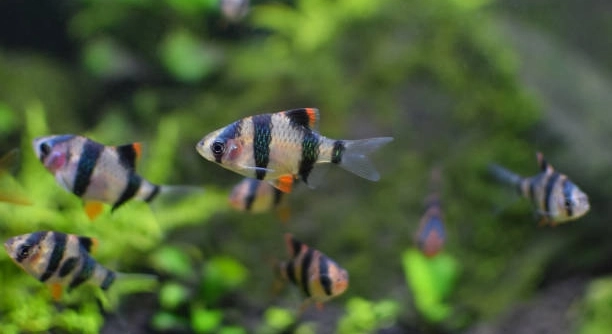
Have you ever watched your tiger barbs swimming and wondered if they notice you standing nearby, observing their movements? Their energetic nature can make it hard to tell what they truly feel or prefer.
Tiger barbs do not appear to be disturbed by human observation. As social and active fish, they often remain engaged with their environment and exhibit no signs of stress or discomfort when watched from outside the tank.
These vibrant fish have unique personalities, and understanding their comfort levels can help improve their well-being. Let’s explore what science and behavior tell us about their interaction with humans.
How Tiger Barbs React to Human Presence
Tiger barbs are energetic and social fish that rarely show signs of fear when someone is nearby. Their active swimming patterns and group dynamics often remain unchanged, even when they’re being closely observed. This behavior suggests they feel safe and secure in their environment. Unlike some shy species that hide or act skittish when watched, tiger barbs usually continue their normal activities without hesitation. In fact, they may even swim closer to the tank glass if they associate human presence with feeding. Their natural curiosity, combined with boldness, makes them more open to interaction. While they may not recognize individual people, they do respond to movements and light changes outside the tank. This response isn’t necessarily emotional but rather instinctive. Keeping your distance calm and non-disruptive is still important, especially when they’re adjusting to a new environment or recovering from stress. They thrive best in stable, consistent surroundings.
When a tiger barb feels comfortable, it moves freely, interacts with other barbs, and shows bright coloration.
If you notice signs of hiding, rapid darting, or fading colors, this could mean they’re feeling anxious or overstimulated. Avoid tapping on the glass or making sudden movements. These can trigger stress responses, even in confident fish like tiger barbs.
The Role of Tank Environment and Routine
A healthy tank setup helps tiger barbs stay relaxed and confident, even when people are nearby.
To keep tiger barbs calm and open to interaction, it’s important to maintain a stable, well-organized tank environment. Proper filtration, consistent water temperature, and suitable lighting help reduce their stress levels. These fish also feel secure when they have enough space to swim and plenty of hiding spots to retreat to. Live or artificial plants, rocks, and décor can give them the structure they need. They are more responsive to human presence when their tank feels like a safe home. Feeding routines also matter. If feeding occurs at the same time each day, tiger barbs may associate your presence with food. This can lead to positive engagement, such as swimming toward you or following your movements. On the other hand, inconsistent care or frequent tank disruptions can lead to anxiety and reclusive behavior. Observing their daily actions helps you spot changes early and maintain a calm environment that supports both their health and comfort.
How Body Language Reflects Comfort
Tiger barbs express their comfort or stress through body movement, fin position, and color vibrancy. Observing these small details can help you understand how they feel, especially when you’re nearby or standing close to the tank.
When tiger barbs feel relaxed, they swim in quick, playful patterns and often stay near the middle of the tank. Their fins remain open, and their color is strong and vivid. If they’re uneasy, they may dart around quickly, clamp their fins, or stay hidden behind decorations. Some may even nip at tankmates more than usual. These signs often appear when there’s too much activity around the tank or when lighting suddenly changes. Noticing these behaviors helps you adjust your movements or environment to better support their comfort and trust. Consistent behavior typically means they feel secure, even while being watched. Small daily observations go a long way in keeping them happy.
Changes in body language are easy to miss if you aren’t looking closely. A normally active fish that suddenly becomes still may be reacting to environmental changes or frequent outside movements. Always watch for patterns over time, rather than judging a single moment. If they bounce back quickly, they’re likely just reacting to something minor. But if changes continue, the fish could be signaling discomfort that needs attention. Keeping a peaceful routine outside the tank is just as important as maintaining the inside. When tiger barbs feel safe, they show it clearly through their posture and movement.
Why Visual Stimuli Matter
Tiger barbs react strongly to visual changes outside their tank, including light movement, shadows, or people walking by. Their sharp eyesight helps them stay alert, but too many sudden changes can leave them feeling unsettled or stressed.
These fish have quick visual reflexes, so they respond to activity near the tank. A calm, predictable environment helps them adjust to your presence. Positioning the tank in a low-traffic area with indirect lighting helps reduce overstimulation. If the tank is in a busy space, consider adding more plants or tank decorations for shelter. Some tiger barbs may even grow used to regular visitors and begin associating familiar shapes with feeding times. Over time, they may swim toward the glass when they see you. However, not all individuals respond the same way. Some may prefer more distance. Watching how they react each day can help you understand what level of visual activity they’re comfortable with.
How Feeding Time Changes Their Response
Tiger barbs often link human presence with feeding, especially if meals are given at the same time each day. They may swim toward the glass or become more active when they see movement near the tank. This learned behavior shows a level of comfort with being watched.
If feeding is inconsistent, they may show less interest in people nearby. Overfeeding or skipping meals can also affect their reactions. A balanced routine encourages them to feel secure and expect positive experiences from visual contact. Their behavior during feeding helps reveal how they feel about being observed.
How Social Behavior Influences Reactions
Tiger barbs are schooling fish, meaning they thrive in groups. Being in a group helps them feel more secure and less likely to react negatively to outside movement. When alone or kept in small numbers, they often become skittish and hide more. A proper group of at least six usually makes them more confident and less sensitive to human presence. Group dynamics also help them model each other’s behavior, so if one fish is comfortable being watched, others may follow. Creating the right group environment supports more stable and predictable behavior toward outside activity.
Why Tank Setup Plays a Role
A well-decorated tank gives tiger barbs places to retreat if they feel exposed. Plants, rocks, and hiding spots help them manage stress from visual contact.
FAQ
Do tiger barbs recognize the person feeding them?
Tiger barbs may not recognize individual faces the way mammals do, but they can learn to associate specific movements, shapes, or routines with feeding. If you approach the tank regularly at the same time each day, they may begin to expect food when they see you. This learned pattern creates the appearance of recognition. Their reaction is more about habit and visual memory than true identification. However, over time, they may become more active and social in your presence if those experiences are consistent and positive. It’s a simple form of learned behavior rooted in routine.
Can tiger barbs feel stressed from being watched too often?
Yes, tiger barbs can show signs of stress if there’s too much movement or visual activity near the tank. While many get used to a regular presence, constant hovering or sudden gestures can startle them. Stress signs include hiding, darting movements, or clamped fins. Providing tank decorations and a proper group size helps ease these reactions. If you notice changes in their usual behavior, it’s helpful to reduce outside movement temporarily and give them time to relax. Over time, they often adapt to predictable patterns around the tank, especially when those patterns include feeding and calm observation.
Do they prefer light or dark when being watched?
Tiger barbs are active during the day and respond best to moderate, indirect lighting. Bright, direct light can make them feel exposed, especially if the tank has few hiding spots. Dim lighting or sudden shifts in brightness can also stress them. When watching them, it’s best to keep lighting consistent and soft. If they feel safe in their environment, they will remain active and visible. The key is avoiding harsh or flickering lights. Balanced lighting helps them feel comfortable while you observe them and also improves their coloration and behavior in general.
Will they swim closer to the glass if they like being watched?
Tiger barbs swimming near the glass isn’t always a sign they enjoy being watched, but it can show comfort with their surroundings. They may swim toward the glass when they expect food or if they’re curious. If they stay active and visible while you’re nearby, it usually means they’re not feeling threatened. However, if they hide or dart away when you approach, they might not feel at ease. Watching their body language and movement patterns over time helps you understand what they’re comfortable with. Consistency in your behavior builds their trust in your presence.
Should I interact with them more to help them adjust?
Yes, but gently and consistently. Interacting with tiger barbs doesn’t mean touching or tapping the tank. It means approaching the tank calmly at regular times and building a quiet routine they can expect. Feeding them at the same time, keeping movement slow, and avoiding sudden changes in lighting or sound help them adjust. They may not bond with people the way pets like dogs or cats do, but they respond well to familiarity. Over time, they may become more active when you’re near and show signs of comfort by swimming openly and staying social within their group.
How can I tell if they’re uncomfortable with being watched?
Signs of discomfort include hiding more than usual, swimming frantically, clamped fins, faded colors, or avoiding open spaces. If these behaviors appear mostly when you’re near the tank, it’s likely they’re reacting to your presence. Giving them more plants, shelter, or slightly adjusting tank placement can help. It’s also useful to observe if all the fish are reacting the same way or if one seems more affected than others. Tiger barbs are naturally energetic, so any major change in their behavior—especially linked to outside activity—is worth noticing and adjusting for their comfort.
Final Thoughts
Tiger barbs are active, curious fish that can learn to feel comfortable with people watching them. They often show this by swimming in the open, staying active near the front of the tank, or coming up when someone approaches. Over time, many tiger barbs learn to associate human presence with feeding or safety. While they may not understand what it means to be watched, their behavior can show whether they feel safe or uneasy. Most of the time, if their tank setup is right and they are kept in proper groups, they don’t seem bothered by people observing them.
Their response to being watched depends on a few simple factors. Tank lighting, surrounding movement, feeding routines, and group size all play a role in how relaxed they feel. If they are constantly exposed to fast or loud movement, they may become jumpy. But if they are exposed to quiet, regular interaction, they usually adapt well. It’s also important to provide shelter in the tank, so they have a place to hide when they feel unsure. These details help support a stress-free environment. Watching their body language—like how they swim, where they rest, and how their colors look—can help you understand their comfort level.
You don’t need to be an expert to keep tiger barbs feeling safe and secure. By keeping a stable routine, observing their behavior, and making small changes when needed, you can help them adjust to your presence. Even though they may not show affection in the way other pets do, tiger barbs are social and responsive animals. Their reactions may be subtle, but they are easy to spot once you become familiar with their normal behavior. Watching them can be both relaxing and rewarding, especially when they appear content and active. Creating the right balance in their environment is the best way to support their health and comfort, even when you’re standing right in front of the tank.

Hello,
If you enjoy the content that we create, please consider saying a "Thank You!" by leaving a tip.
Every little bit helps us continue crafting quality advice that supports the health, happiness, and well-being of pets around the world, for pets of all shapes, sizes, and species.
We really appreciate the kindness and support that you show us!