
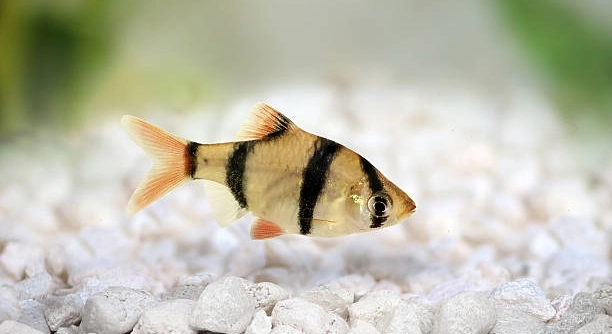
Do you enjoy keeping tiger barbs but wonder if they get bored eating the same foods every day? Many fish owners notice their pets’ eating habits and wonder about variety in their diet. Feeding routines can sometimes feel repetitive.
Tiger barbs do not experience boredom from routine foods in the same way humans do. Their feeding behavior is mainly driven by hunger and instinct rather than preference for variety. Consistent, balanced diets meet their nutritional needs effectively.
Exploring how diet impacts tiger barbs helps maintain their health and wellbeing. Understanding their feeding habits can improve your care and keep your fish active and happy.
Understanding Tiger Barbs’ Eating Habits
Tiger barbs are active, social fish that respond well to a regular feeding schedule. They rely on instinct rather than preference to guide their eating. In the wild, their diet varies naturally with available food, but in an aquarium, they depend on the keeper to provide balanced meals. They may show excitement during feeding times, but this does not necessarily mean they are bored with their food. Instead, they respond to the routine and hunger signals. Feeding them a mix of flakes, pellets, and occasional live or frozen foods ensures they get the nutrients they need. Changes in diet can be introduced slowly to avoid stress. Over time, tiger barbs adapt well to consistent feeding patterns without losing interest or appetite, showing that routine foods can be sufficient for their wellbeing.
Regular feeding helps maintain their health and behavior in captivity.
Introducing variety in feeding should be done carefully to avoid digestive problems or stress.
The Role of Diet Variety for Tiger Barbs
While tiger barbs do not get bored of routine foods, some variety can be beneficial. Adding different types of food occasionally helps provide a broader range of nutrients. For example, live foods like brine shrimp or bloodworms can stimulate natural hunting behaviors and improve their overall condition. Vegetables such as blanched spinach or peas can support digestion and add fiber. However, sudden diet changes may upset their digestive system, so gradual introduction is best. Monitoring their response to new foods allows you to adjust the diet according to their needs. The key is to balance consistency with occasional diversity to promote good health. Keeping an eye on their activity levels and appearance helps determine if their diet meets all their needs. With careful management, a mix of staple and occasional foods supports a vibrant, healthy tank community.
Feeding Frequency and Its Impact
Feeding tiger barbs two to three times daily in small amounts prevents overfeeding. This routine keeps them active and healthy without polluting the tank.
Overfeeding can lead to water quality issues and health problems in tiger barbs. Their small stomachs mean they need only limited food at each feeding. Offering food in small portions helps avoid waste and digestive troubles. Consistent timing helps tiger barbs recognize feeding times, encouraging natural behavior and reducing stress. Uneaten food should be removed quickly to keep the tank clean and prevent harmful bacteria growth. Proper feeding frequency supports steady growth and vibrant coloration in these fish, making their care easier and more effective.
Balancing feeding frequency with portion size ensures tiger barbs stay energetic without risks linked to excessive feeding.
Signs Your Tiger Barbs Are Satisfied
Content tiger barbs swim actively and display bright colors. They come quickly to eat but do not show aggression over food.
If your tiger barbs seem uninterested or avoid food, it might indicate stress or illness. Healthy fish eagerly accept food during feeding times and resume normal swimming afterward. Watching their behavior can help you adjust feeding amounts or diet variety as needed. Satisfaction also shows in their interaction with tank mates—they remain social and curious. Keeping track of their response to food helps maintain good health and prevents overfeeding or dietary imbalance. Observing these signs regularly ensures your fish thrive in their environment.
Common Routine Foods for Tiger Barbs
Flake food and pellets are the most common staples for tiger barbs. These provide essential nutrients needed for daily health.
Frozen or live foods like bloodworms and brine shrimp are great occasional additions. They help mimic natural feeding and add variety.
Avoiding Nutritional Deficiencies
Relying only on one type of food can lead to deficiencies in vitamins and minerals. A balanced diet with varied ingredients is essential to prevent this. Mixing flakes, pellets, and live or frozen foods covers all nutritional needs. Supplementing with vegetables occasionally also helps maintain digestive health. Monitoring fish behavior and color can indicate if their diet is meeting their requirements. Adjusting their food based on these signs supports long-term health and reduces the risk of illness caused by poor nutrition.
The Importance of Water Quality
Good water quality enhances digestion and overall health in tiger barbs. Clean tanks prevent stress and keep fish energetic.
FAQ
Do tiger barbs get bored of eating the same food every day?
Tiger barbs do not experience boredom like humans do. Their feeding is driven mainly by hunger and instinct. As long as their diet provides proper nutrition, they do not need constant variety. They respond well to routine, which helps reduce stress and maintain good health. However, occasional changes in food types can benefit their nutrition and natural behaviors without causing them to lose interest.
How often should I feed my tiger barbs?
Feeding tiger barbs two to three times a day with small portions is best. Overfeeding can harm water quality and their health. Small, regular meals match their small stomach size and keep them energetic throughout the day. Avoid leaving excess food in the tank, as this can cause water problems and attract unwanted bacteria.
What foods are best for tiger barbs?
A mix of high-quality flakes or pellets forms the diet’s base. Supplementing with frozen or live foods like bloodworms, brine shrimp, or daphnia adds protein and variety. Occasionally offering blanched vegetables such as peas or spinach can support digestion. This variety ensures balanced nutrition and helps maintain vibrant colors and active behavior.
Can tiger barbs eat the same food exclusively?
While tiger barbs can survive on just flakes or pellets, this limits their nutritional intake. Lack of variety may cause deficiencies over time. Mixing different food types helps meet all dietary needs and supports immune health. Variety also encourages natural feeding instincts and improves overall wellbeing.
What signs show my tiger barbs are happy with their diet?
Happy tiger barbs are active, swim confidently, and have bright colors. They respond eagerly during feeding but don’t fight aggressively over food. If they quickly eat what is offered and continue normal swimming afterward, their diet is likely adequate. Sudden disinterest or sluggishness could indicate a dietary problem or illness.
How do I introduce new foods to tiger barbs?
Introduce new foods gradually by mixing small amounts into their regular meals. Observe their reaction and digestion closely. Sudden changes can cause stress or digestive upset. If fish accept the new food without issues, you can increase the portion over time. Consistent monitoring helps avoid health problems and ensures they benefit from dietary variety.
Does feeding routine affect tiger barb behavior?
Yes, tiger barbs thrive on routine feeding schedules. Predictable meal times reduce stress and improve social interactions in the tank. Irregular feeding can lead to aggression or lethargy. Consistency supports their natural rhythms and keeps them healthy and active.
Is it necessary to give live food to tiger barbs?
Live food is not necessary but highly beneficial. It stimulates natural hunting instincts and offers nutrients often missing from processed foods. Using live or frozen foods occasionally keeps tiger barbs more engaged and helps maintain optimal health. It is important to source live foods carefully to avoid introducing parasites or contaminants.
How does water quality impact tiger barbs’ appetite?
Poor water quality can reduce appetite and cause stress. Clean, well-filtered water supports digestion and overall health. Regular water changes and tank maintenance prevent buildup of harmful substances that affect feeding behavior. Keeping water conditions stable helps tiger barbs maintain a healthy appetite and vibrant activity levels.
What should I do if my tiger barbs stop eating?
If tiger barbs stop eating, check water quality and tank conditions first. Illness, stress, or poor water can reduce appetite. Try offering varied foods in small amounts and observe their behavior. If loss of appetite continues, consulting an aquatic veterinarian or experienced hobbyist is recommended. Early action prevents more serious health issues.
Tiger barbs are fairly adaptable fish when it comes to their diet. They do well with routine foods and do not get bored in the way humans do. Their eating habits are driven mainly by hunger and instinct, not by a need for constant variety. Providing a balanced diet through high-quality flakes or pellets meets most of their nutritional needs. Adding occasional live or frozen foods can improve their health and keep them active. Overall, sticking to a feeding routine helps keep tiger barbs healthy and reduces stress, which is important for their wellbeing in an aquarium setting.
While routine foods are enough to sustain tiger barbs, introducing some variety is still beneficial. Different food types supply a wider range of nutrients that might be missing from one source alone. For example, live or frozen foods offer proteins that support growth and color, and vegetables provide fiber that aids digestion. However, changes in diet should be made slowly and carefully to avoid upsetting the fish’s digestive system. Watching how the fish respond to new foods will help you adjust the diet effectively. A combination of consistent staple foods and occasional variety strikes a good balance for tiger barbs.
Maintaining good water quality and proper feeding frequency also plays a big role in keeping tiger barbs healthy. Overfeeding or feeding too irregularly can cause health problems and tank issues. Small, frequent meals in combination with clean tank conditions support digestion and natural behavior. Paying attention to the fish’s activity levels and appearance can provide clues about how well their diet meets their needs. In the end, a simple and balanced approach to feeding works best. Tiger barbs do well when their basic nutritional needs are met with care and attention to their environment.

Hello,
If you enjoy the content that we create, please consider saying a "Thank You!" by leaving a tip.
Every little bit helps us continue crafting quality advice that supports the health, happiness, and well-being of pets around the world, for pets of all shapes, sizes, and species.
We really appreciate the kindness and support that you show us!