
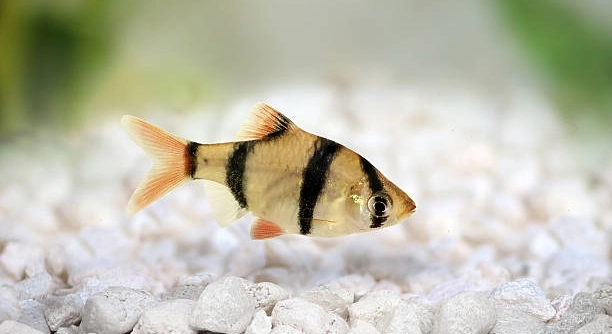
Have you ever watched your tiger barbs dart around and wondered if their playful energy means they’re always entertained in their tank?
Tiger barbs can experience boredom when their environment lacks variety, stimulation, and interaction. Limited tank space, absence of tank mates, and repetitive surroundings can lead to stress, aggression, or lethargy, indicating the need for mental enrichment.
From tank layout ideas to engaging activities, this guide explores easy ways to keep your tiger barbs active, healthy, and stimulated.
Why Tiger Barbs Need Stimulation
Tiger barbs are active and curious fish that need mental and physical stimulation to stay healthy. In a plain or unchanging tank, they can become restless or even aggressive. Without enough interaction or new sights to explore, their behavior might shift. They may chase tank mates or spend more time hiding. This kind of stress can weaken their immune system and impact their overall well-being. Giving them opportunities to explore and interact with their surroundings helps prevent boredom and keeps their behavior balanced. A stimulating environment supports their natural instincts and encourages more vibrant, active swimming patterns.
Boredom in tiger barbs can lead to fin-nipping, reduced appetite, and general stress. These signs may suggest that your fish are under-stimulated or confined in a dull space.
Providing enough activity for tiger barbs isn’t difficult. Small changes in their tank setup can make a big difference. Adding new objects, changing plant placements, or offering regular food variety helps keep them engaged. Watching how they respond can also give you clues about what they enjoy. They’re naturally drawn to movement and enjoy darting through tight spaces. Simple enrichment techniques not only keep your tiger barbs entertained, but also help support their physical and mental health long term.
How to Stimulate Tiger Barbs
Start with the tank setup. These fish enjoy swimming in groups, so keeping them in small schools is important. Rearranging décor, using live plants, and changing water flow now and then can add variety.
A well-planned tank layout with hiding spots and open swimming areas encourages activity. Live or silk plants, caves, and driftwood help break line of sight, reducing tension among the group. Switching up the layout every few weeks can provide mental stimulation. Using a bubbler or adjusting the filter output can create gentle currents, which tiger barbs love swimming against. Another way to keep them interested is by offering food in different ways—scattering flakes, using feeding rings, or offering occasional live or frozen food. These small efforts mimic a more natural setting. Regular interaction, such as watching their behavior and noting changes, helps you learn what they respond to best. With just a bit of planning, you can keep your tiger barbs active and prevent boredom.
Signs Your Tiger Barbs May Be Bored
Bored tiger barbs may start showing unusual behavior. You might notice them pacing along the tank glass, acting aggressive, or hiding more often. These signs often point to a lack of stimulation or variety in their environment.
Glass surfing, where they swim repeatedly along the same area, is a common indicator of restlessness. Increased aggression toward tank mates—especially chasing or nipping—can also signal boredom. On the opposite end, some may become inactive or spend too much time hiding. Reduced appetite or lack of interest in food may also appear when stimulation is missing. These behaviors are worth watching, as they often mean something in their environment isn’t working for them. Paying attention to small changes in activity or personality can help you act quickly and improve their setup before stress becomes a bigger issue.
Behavioral changes can develop slowly, making them easy to overlook at first. That’s why it helps to observe your tiger barbs regularly. If they seem overly fixated on one area or start avoiding group interaction, it’s time to reassess the tank. While these fish can adapt, they thrive best with variety. Swapping out tank decorations, changing feeding methods, or even rotating light patterns can gently break routines and bring back natural activity.
Simple Enrichment Ideas That Work
Use small, regular changes to keep things interesting. Rearranging plants, decorations, or rocks encourages exploration. Even switching lighting times can help. Offering different food textures and feeding styles stimulates both their instincts and activity levels.
Add floating plants or tall grass-like stems to create depth and cover. Tiger barbs enjoy weaving through narrow spots, so adding tunnels or placing objects at different levels works well. Try placing mirrors outside the tank briefly to catch their attention—but only for short periods, so they don’t become stressed. Alternate feeding methods by dropping pellets in different areas or using food-dispensing toys. Freeze-dried or live options like bloodworms once a week also spark natural hunting behavior. You can even use air stones to create moving bubbles that mimic current. Small changes like these can break repetition and help your tiger barbs feel more engaged without overwhelming them.
Mistakes That Can Lead to Boredom
Keeping tiger barbs in a small tank with limited space can restrict their movement and lead to stress. They need room to swim freely and interact as a group, or their behavior may become tense.
Using the same tank layout for too long can make the environment dull. Without changes, tiger barbs may lose interest in exploring, which leads to inactivity or aggression.
Best Tank Mates for Mental Stimulation
Choosing the right tank mates can help keep your tiger barbs mentally engaged. Fast-moving fish like danios or rasboras are good options. They match the barbs’ energy level and create a dynamic environment. Avoid slow or long-finned fish like angelfish or bettas, as tiger barbs may nip at them. Keeping them in groups of six or more helps reduce aggression within the species and promotes social interaction. Proper pairing encourages active swimming, playful behavior, and natural schooling instincts. A peaceful, balanced tank setup with well-matched companions keeps boredom low and supports healthier, happier fish overall.
How Often to Change Things Up
Change decorations or plant placements every two to three weeks. This prevents routine from setting in and encourages exploration. Simple changes keep their environment fresh without stressing them.
FAQ
Can tiger barbs recognize changes in their tank environment?
Yes, tiger barbs are quick to notice changes in their surroundings. Rearranging plants, moving decorations, or adding new objects can catch their attention immediately. They often respond with increased activity, exploring the new layout with curiosity. This kind of stimulation is beneficial because it prevents them from falling into repetitive behavior. It also gives them a chance to re-establish territory, which can reduce tension within the group. Even small changes can make a difference, especially if done regularly without overwhelming the fish. Keeping changes gradual helps them adjust comfortably while staying engaged.
Do tiger barbs play with each other?
Tiger barbs are social and playful. When kept in proper groups—ideally six or more—they often chase, swim together, and interact throughout the day. These behaviors are natural and help them stay active. However, if the group is too small, the play can turn into bullying or stress. They feel safer and more stimulated in larger groups where the attention is spread evenly. Watching them swim in sync or engage in short bursts of chasing shows they’re comfortable. It’s a good sign when their social behavior stays balanced and doesn’t turn aggressive or isolating.
What toys or tools can help keep tiger barbs busy?
While traditional toys aren’t used for fish the same way they are for land pets, there are still helpful tools. Floating rings for feeding, bubble walls, and air stones can all stimulate natural activity. Mirrors can be used briefly to catch their attention, though only for short periods. Caves, tunnels, or narrow decorations also keep them exploring. Try offering food in creative ways—such as spreading pellets across different areas or using feeding clips for vegetables. These small adjustments challenge their instincts and prevent boredom. It’s not about fancy equipment, just thoughtful changes in their routine.
How do I know if my tiger barbs are stressed or just bored?
Boredom usually shows as pacing, inactivity, or chasing behavior that doesn’t involve aggression. Stressed fish, however, may breathe heavily, lose color, or hide constantly. They may also skip meals or become unusually aggressive. Observing their daily habits helps you tell the difference. If their swimming is slow or restless, and the tank hasn’t changed in a while, boredom might be the cause. But if the environment is changing too often, or if tank mates are aggressive, stress may be the issue. Keeping the tank stable while offering light stimulation helps maintain balance and overall health.
Should I remove decorations regularly to refresh the tank?
You don’t need to remove everything, just move a few items now and then. Shifting a plant, rotating a rock, or placing a new object gives the tank a fresh feel. It’s better to keep a few familiar items in place to maintain a sense of security. Changing too much at once can confuse the fish or cause stress. Think of it as a gentle refresh instead of a full makeover. Making small updates every two to three weeks can keep tiger barbs interested while also helping you maintain the tank more easily.
Is food variety really important for mental stimulation?
Yes, switching up their diet is an easy way to enrich their routine. Tiger barbs enjoy different textures and flavors. Offering high-quality flakes one day, frozen bloodworms the next, and some boiled vegetables later in the week keeps them engaged. Hunting for sinking pellets or nipping at greens clipped to the glass mimics natural feeding. This variety supports physical health, too, by delivering balanced nutrients. Over time, rotating their meals keeps feeding time interesting and triggers natural behaviors. It also allows you to observe how they react to different foods, helping you fine-tune their care.
Can lighting changes affect their behavior?
Lighting affects fish more than we often realize. Tiger barbs respond to consistent light cycles, which help regulate their daily rhythm. Too much light can make them restless or overstimulated, while too little can reduce activity. You don’t need fancy lighting—just keep it consistent. Some keepers dim the lights slightly before feeding to mimic dusk. Others adjust brightness levels throughout the day. Even turning lights on and off at the same time daily can help create a stable pattern. Changing the position of the light or using natural light patterns can also spark mild curiosity.
How often should I monitor their behavior?
It’s best to observe your tiger barbs daily, even if just for a few minutes. This helps you spot changes early, whether it’s swimming patterns, appetite, or social behavior. Watching them interact lets you see what they enjoy and where the tank might need adjustment. If something feels off—like a fish hiding too much or acting unusually aggressive—you’ll be more prepared to respond. Regular observation becomes a habit that supports their health and improves your experience as a keeper. Over time, you’ll better understand what a happy, engaged tiger barb looks like.
Final Thoughts
Tiger barbs are active and curious fish that do best in a tank where their minds and bodies stay engaged. When their environment stays the same for too long, they may become bored, and that can lead to unwanted behaviors like chasing, glass surfing, or hiding. Providing variety through tank layout, feeding routines, and group size helps keep their activity levels healthy. These changes do not have to be large or expensive. Even small shifts, like moving decorations or changing light patterns, can help your fish stay alert and interested in their surroundings.
Understanding their social nature is also important. Tiger barbs need to be in a proper group to feel safe and behave naturally. Too few tank mates can lead to aggression or stress. The right number encourages playful schooling behavior that keeps them moving and engaged. In addition to social needs, feeding variety plays a big part in stimulation. Rotating between flakes, pellets, frozen food, and occasional vegetables supports both mental and physical health. When you offer different textures and feeding methods, it helps mimic what they might experience in the wild, keeping their instincts sharp and boredom low.
Caring for tiger barbs means more than just keeping the water clean. It means noticing small changes in behavior and making thoughtful adjustments when needed. By observing them regularly, you’ll begin to notice what keeps them active and when they might need more stimulation. Boredom can creep in slowly, but simple habits—like rearranging the tank every few weeks, offering different foods, or adding new safe objects—can make a big difference. With the right setup and attention, your tiger barbs can remain active, curious, and healthy. A well-stimulated fish is a happier one, and that creates a more rewarding experience for both you and your tank.

Hello,
If you enjoy the content that we create, please consider saying a "Thank You!" by leaving a tip.
Every little bit helps us continue crafting quality advice that supports the health, happiness, and well-being of pets around the world, for pets of all shapes, sizes, and species.
We really appreciate the kindness and support that you show us!