
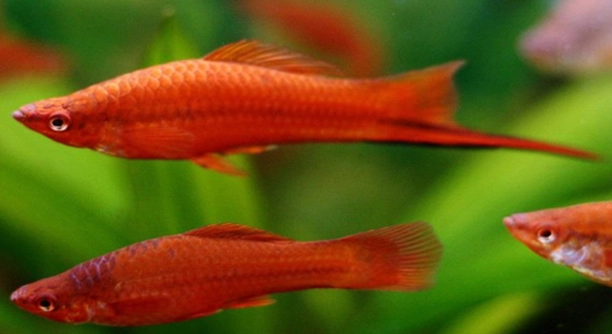
Do you ever wonder how different fish species live together in the same aquarium? Many fish owners like to mix tiger barbs and swordtails for their colors and activity. Understanding their behavior helps keep the tank peaceful and healthy.
Tiger barbs and swordtails can coexist in the same aquarium if given enough space and proper conditions. Tiger barbs are semi-aggressive and active, while swordtails tend to be peaceful. Careful monitoring and compatible tank mates reduce stress and aggression.
Knowing how to balance their needs and temperaments will create a calm environment for both fish. This guide explains key tips to help your tiger barbs and swordtails get along well.
Behavior and Temperament Differences
Tiger barbs are known for their lively and sometimes aggressive nature. They swim actively and can nip at the fins of slower or long-finned fish. Swordtails, on the other hand, are calmer and more peaceful. They usually focus on swimming calmly and exploring the tank. When these two species are kept together, the tiger barbs’ energy can stress swordtails if the tank is too small. However, in a large enough tank with plenty of hiding spaces, swordtails can avoid aggression and maintain their peaceful behavior. Both fish enjoy similar water conditions, but their social needs differ. Tiger barbs do best in groups of at least six to reduce fighting among themselves. Swordtails do not require such large groups but appreciate some company. Managing these differences helps maintain harmony in the aquarium.
Keeping tiger barbs in groups reduces their aggression toward swordtails. This makes a calmer tank overall.
It’s important to provide plants, rocks, or decorations that offer hiding spots. Swordtails can retreat and feel safe when needed. Tiger barbs also benefit from this structure, which helps lessen chasing and fin-nipping. Feeding both species properly is essential since hunger can increase aggressive behaviors. Regular water changes and maintaining stable tank conditions reduce stress for both fish. By balancing space, environment, and social groups, the natural behaviors of tiger barbs and swordtails can coexist with fewer problems.
Tank Setup and Compatibility Tips
Tank size plays a key role in keeping tiger barbs and swordtails together successfully. A minimum of 30 gallons is recommended, but larger tanks are even better. Both species need open swimming areas and places to hide. Swordtails prefer planted sections, while tiger barbs like open spaces to dart around.
Adding other peaceful species can help balance the tank, but avoid very slow or long-finned fish that tiger barbs may nip. Providing a mixed environment with varied decorations reduces stress and keeps interactions calm. Regular observation is necessary to catch any signs of aggression early. Making adjustments to the environment or fish group sizes can prevent conflicts. With proper setup, these two species can share an aquarium comfortably for a long time.
Feeding Habits and Diet
Tiger barbs are omnivores and enjoy a varied diet, including flakes, pellets, and occasional live or frozen foods like bloodworms. Swordtails also eat similar foods but tend to prefer plant-based options more. Both species benefit from balanced feeding to stay healthy.
Feeding tiger barbs and swordtails together requires attention to portion sizes. Tiger barbs can be more aggressive during feeding time and may outcompete swordtails if food is limited. It helps to spread food across the tank so all fish can eat comfortably. Using sinking pellets alongside floating flakes ensures both species get proper nutrition since swordtails often feed near the surface and tiger barbs swim mid-level.
Overfeeding should be avoided to maintain water quality and reduce stress. Feeding twice daily with measured portions supports their energy without polluting the tank. Observing eating habits helps identify if any fish are not getting enough food, allowing you to adjust feeding methods accordingly.
Signs of Stress and Aggression
Aggression in tiger barbs usually shows through chasing, fin nipping, and territorial behavior. Swordtails may hide more or show damaged fins if stressed. Monitoring these signs is important to prevent injuries.
If aggression is noticed, increasing hiding spaces or separating aggressive individuals can help calm the tank. Stress often lowers fish immune systems, making them prone to illness, so early action improves their wellbeing. Adjusting water conditions and tank mates also reduces conflict.
Keeping groups balanced is key; too few tiger barbs increase aggression, while overcrowding can cause stress for all fish. Recognizing early stress signs protects both species from harm and creates a peaceful aquarium environment.
Water Parameters for Both Species
Tiger barbs and swordtails thrive in similar water conditions. They prefer temperatures between 74°F and 79°F and a pH level around 6.5 to 7.5. Keeping the water clean with regular changes is essential for their health.
Stable water parameters reduce stress and help prevent disease. Both species adapt well to moderate hardness levels but do not tolerate sudden changes. Monitoring water quality supports a peaceful aquarium environment.
Breeding Considerations
Breeding tiger barbs requires a separate tank with soft, slightly acidic water and plenty of plants for hiding fry. Swordtails breed more easily in community tanks but need space and hiding spots for their young.
Compatible Tank Mates
Other peaceful fish like danios, mollies, or small tetras often work well with tiger barbs and swordtails. Avoid slow-moving or long-finned fish to reduce fin nipping.
FAQ
Do tiger barbs nip swordtails?
Yes, tiger barbs are known to nip fins, especially those of slow-moving or long-finned fish like swordtails. However, if tiger barbs are kept in groups of six or more, their aggression tends to be directed more at each other, reducing the chance of fin nipping swordtails. Providing plenty of hiding spaces for swordtails also helps minimize this behavior.
Can tiger barbs and swordtails live together in a small tank?
A small tank is not ideal for keeping tiger barbs and swordtails together. Both species need space to swim and avoid stress. Tiger barbs’ active nature and occasional aggression require enough room to prevent constant chasing. A minimum of 30 gallons is recommended, with larger tanks being better to maintain harmony.
How many tiger barbs should be kept together?
Keeping at least six tiger barbs together is important. This helps distribute aggression within their own group rather than targeting other tank mates. When kept in smaller groups, tiger barbs may become more aggressive toward other fish like swordtails, increasing stress and potential injuries.
What is the best diet for tiger barbs and swordtails?
Both species are omnivores and thrive on a varied diet. High-quality flakes or pellets designed for tropical fish work well. Supplementing with live or frozen foods like bloodworms or brine shrimp provides protein, while some vegetable matter supports swordtails’ preference for plants. Feeding small portions twice a day keeps fish healthy.
How do I prevent fin nipping in a community tank?
To reduce fin nipping, keep tiger barbs in larger groups, provide plenty of hiding spots, and avoid slow-moving or long-finned fish. Regular feeding and maintaining good water quality also help reduce stress that can cause aggressive behavior. If fin nipping persists, consider separating aggressive individuals.
Can swordtails handle the aggression of tiger barbs?
Swordtails are generally peaceful but can become stressed if constantly chased or nipped. Providing enough space and hiding places lets swordtails avoid aggressive tiger barbs. Monitoring behavior closely is important to ensure swordtails do not show signs of injury or stress, which may require intervention.
What tank decorations help reduce aggression?
Dense planting, rocks, and caves create barriers that slow down chasing and give timid fish places to rest. Floating plants can break lines of sight and reduce aggression. Varied decorations support natural behaviors and help both tiger barbs and swordtails feel secure in the aquarium.
How often should water be changed in a tank with these fish?
Regular water changes of 20-30% weekly are recommended. This keeps nitrate levels low and reduces stress, which can trigger aggression or illness. Both tiger barbs and swordtails benefit from stable water conditions, so testing water regularly is essential.
Can tiger barbs and swordtails breed in the same tank?
Breeding is possible but not ideal in the same tank. Tiger barbs can be aggressive toward fry, and swordtails need hiding spots for their young. Separate breeding tanks with proper conditions increase survival chances for both species’ offspring.
Are there any health concerns when keeping these species together?
Stress from aggression can weaken immune systems, making fish vulnerable to diseases like fin rot or ich. Maintaining good water quality, proper diet, and observing behavior regularly help prevent health problems. Prompt treatment is necessary if illness appears.
Tiger barbs and swordtails can live together peacefully if their needs are properly met. Their different behaviors and temperaments require careful attention when keeping them in the same tank. Tiger barbs are active and sometimes aggressive, while swordtails tend to be calmer and more peaceful. This means that the tank should be large enough to give both species plenty of space to swim and avoid conflict. Providing hiding spots and decorations also helps swordtails feel safe and reduces chasing from tiger barbs. A balanced group size for tiger barbs is important too, as keeping them in groups of six or more lowers their aggression toward other fish.
Maintaining good water quality and feeding both fish a balanced diet supports their health and behavior. Regular water changes prevent stress caused by poor water conditions, which can make fish more aggressive or sick. Feeding small amounts twice daily ensures that both tiger barbs and swordtails get enough food without overfeeding the tank. Since tiger barbs can be more competitive during feeding, spreading food around the tank helps swordtails eat comfortably. Watching the fish during feeding times can reveal if any fish are not eating enough or if aggression increases.
It is important to monitor the tank regularly for signs of stress or aggression. Fin nipping, chasing, and hiding behavior are common signs that something needs to be adjusted. Increasing hiding places or rearranging decorations can reduce tension between fish. If aggression continues, separating the more aggressive tiger barbs or changing tank mates might be necessary. With proper care, attention, and environment setup, tiger barbs and swordtails can coexist well. Their combination brings color and movement to the aquarium, making it an enjoyable and lively tank to watch.

Hello,
If you enjoy the content that we create, please consider saying a "Thank You!" by leaving a tip.
Every little bit helps us continue crafting quality advice that supports the health, happiness, and well-being of pets around the world, for pets of all shapes, sizes, and species.
We really appreciate the kindness and support that you show us!