
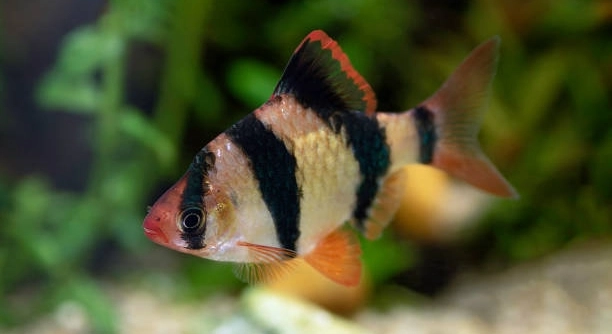
Do you have a community tank and want to know if Tiger Barbs and Mollies can live together peacefully? Both fish are popular choices for home aquariums, but their behaviors and needs are quite different. Understanding how they interact can help you create a balanced tank.
Tiger Barbs and Mollies can coexist under certain conditions, but caution is needed. Tiger Barbs are known for their semi-aggressive, active nature, while Mollies are more peaceful and sensitive. Proper tank size, hiding spots, and monitoring are essential for compatibility.
Learning about their temperaments and tank requirements can make all the difference. This article will help you understand what to consider before mixing these two species.
Temperament Differences Between Tiger Barbs and Mollies
Tiger Barbs are lively and often bold fish. They swim fast and can be a bit aggressive, especially toward slower or long-finned tank mates. Their natural behavior includes fin-nipping, which can stress out other fish. Mollies, on the other hand, are peaceful and prefer calm environments. They have a gentler nature and usually avoid conflict. Because of these differences, Tiger Barbs might bother Mollies if the tank is too small or lacks hiding places. It’s important to provide plenty of space and decorations like plants or rocks to give Mollies spots to retreat. Keeping Tiger Barbs in groups of six or more can reduce their aggression since they focus on each other. If the environment is right, their personalities can balance out and prevent constant stress or injury.
The key to harmony lies in tank setup and fish numbers. Small tanks increase tension between these species.
Proper planning helps Mollies avoid stress from Tiger Barbs’ fast movements and occasional nips. Creating a tank that supports both species’ needs is important for their well-being.
Tank Size and Environment Requirements
Tank size matters a lot when mixing Tiger Barbs and Mollies. A minimum of 30 gallons is recommended to reduce conflicts and give both species enough room to swim. Tiger Barbs need open swimming areas and places to explore, while Mollies appreciate calmer zones with plants for hiding. The water conditions should be stable, with a temperature between 74 and 80 degrees Fahrenheit. Mollies prefer slightly alkaline water, which can also suit Tiger Barbs well. Good filtration and regular water changes are necessary to keep the environment healthy. Avoid overcrowding since it raises stress and increases the chance of aggression. Decorations such as live plants, rocks, or driftwood help create separate territories. This setup helps Mollies feel secure and less exposed to Tiger Barbs’ energetic behavior.
A spacious and well-planted tank keeps both species comfortable.
Ensuring clean, stable water and enough hiding places supports a peaceful community tank where Tiger Barbs and Mollies can thrive together.
Feeding Habits and Diet Compatibility
Tiger Barbs are omnivores who enjoy a varied diet, including flakes, pellets, and occasional live foods like bloodworms. Mollies are also omnivores but lean more toward plant matter, often enjoying algae and vegetables like spinach or zucchini. Feeding both species a balanced diet is important to keep them healthy.
It’s helpful to provide high-quality flakes or pellets designed for tropical fish to meet their basic nutritional needs. Supplementing with occasional live or frozen foods will satisfy Tiger Barbs’ protein cravings. For Mollies, adding some vegetable-based foods or algae wafers supports their dietary preferences. Feeding small amounts multiple times a day reduces leftover food, which can pollute the tank.
Separate feeding spots can prevent competition and stress. Tiger Barbs tend to be more aggressive during feeding, so giving Mollies access to calmer areas helps ensure they get enough food without being bullied.
Behavioral Interactions and Social Dynamics
Tiger Barbs are naturally active and sometimes aggressive, especially in smaller groups. Keeping them in groups of six or more reduces bullying behavior. Mollies are peaceful and prefer to avoid conflict. If the tank is large enough and well-planted, Mollies can stay out of the way of Tiger Barbs.
Mollies tend to school loosely and don’t chase other fish, which helps reduce friction. However, Tiger Barbs’ fin-nipping may stress Mollies if there aren’t enough hiding places. Providing dense plants and decorations creates safe zones where Mollies can retreat and relax. Watching their behavior regularly is important to catch early signs of stress or injury.
A well-planned environment and proper group sizes help these two fish maintain a manageable social balance. Both species can coexist when their natural behaviors are respected and accommodated.
Breeding Considerations
Breeding Tiger Barbs and Mollies together is not recommended. They have different breeding habits and needs that don’t align well in a shared tank. Mollies prefer calm, planted areas to give birth, while Tiger Barbs are more active and may disturb fry.
If breeding is a goal, it’s best to separate the species into their own tanks. This allows better control over water conditions and reduces stress on the young fish.
Tank Mates and Compatibility
Choosing the right tank mates for both species is crucial. Avoid slow-moving or long-finned fish, as Tiger Barbs may nip at them. Mollies do well with other peaceful species but need calm companions to thrive.
Other active fish that can handle Tiger Barbs’ energy without getting stressed are better suited. Always research each species’ temperament before adding new fish.
Water Quality and Maintenance
Maintaining clean water with stable parameters is essential. Both Tiger Barbs and Mollies produce waste, so good filtration and regular water changes help prevent problems like ammonia buildup and disease.
Testing water regularly keeps conditions safe and comfortable for all fish.
Signs of Stress or Aggression
Watch for torn fins, hiding, or changes in behavior. These signs show stress or aggression that needs attention to prevent harm.
Can Tiger Barbs and Mollies live together peacefully?
Yes, Tiger Barbs and Mollies can live together peacefully if certain conditions are met. Tiger Barbs are more aggressive and active, while Mollies are peaceful and sensitive. To reduce conflicts, it’s important to keep Tiger Barbs in groups of six or more and provide a large tank with plenty of hiding spaces. This helps Mollies avoid stress and aggression. Proper water conditions and tank setup also play a key role in their peaceful coexistence.
What tank size is best for keeping Tiger Barbs and Mollies together?
A tank of at least 30 gallons is recommended for housing both species comfortably. Tiger Barbs need room to swim actively, while Mollies appreciate calm areas with plants to hide. The tank should have a mix of open swimming space and densely planted sections to allow both fish to thrive without feeling threatened or crowded.
How should I feed Tiger Barbs and Mollies in the same tank?
Feed a balanced diet suitable for both species, including high-quality flakes or pellets. Tiger Barbs benefit from protein-rich foods like bloodworms or brine shrimp, while Mollies prefer some plant-based foods, such as algae wafers or blanched vegetables. Feeding small amounts multiple times a day reduces leftover food and stress during feeding. Providing food in different spots helps Mollies eat without competition from more aggressive Tiger Barbs.
Will Tiger Barbs nip at Mollies?
Tiger Barbs have a tendency to nip fins, which can bother Mollies, especially if the tank is small or lacks hiding places. Keeping Tiger Barbs in larger groups helps spread their aggression among themselves rather than focusing on other species. Adding plants and decorations gives Mollies places to escape and reduces the chances of fin-nipping.
Can Tiger Barbs and Mollies breed together?
No, breeding Tiger Barbs and Mollies together is not recommended. Their breeding habits and requirements differ significantly. Mollies need calm, planted areas to give birth, while Tiger Barbs are more active and may disturb the fry. It’s best to separate them into different tanks if breeding is a goal.
What water conditions do Tiger Barbs and Mollies need?
Both species prefer stable water conditions with a temperature between 74°F and 80°F. Mollies favor slightly alkaline water, which is also acceptable for Tiger Barbs. Maintaining clean water through good filtration and regular changes is important to avoid stress and disease. Testing water parameters regularly helps keep the environment healthy.
What signs indicate stress or aggression between these fish?
Look for torn fins, excessive hiding, loss of appetite, or unusual swimming patterns. Tiger Barbs may nip fins or chase Mollies, causing stress. Mollies may hide more or become lethargic. Observing these signs early helps prevent injuries and lets you adjust tank conditions or fish numbers to improve harmony.
Are there better tank mates for Tiger Barbs or Mollies?
Tiger Barbs do best with other active, semi-aggressive fish that can handle their energy, while Mollies prefer calm, peaceful companions. Avoid slow-moving or long-finned fish, which Tiger Barbs may nip. Always research compatibility before adding new species to maintain a balanced community.
How many Tiger Barbs should I keep together?
Keep at least six Tiger Barbs together to reduce aggression. They feel more secure and less likely to target other fish when in a group. Smaller groups tend to be more aggressive toward tank mates, including Mollies.
What decorations help keep Tiger Barbs and Mollies comfortable?
Dense plants, rocks, and driftwood create hiding spots and break lines of sight, reducing aggression and stress. Open swimming areas are also important for Tiger Barbs’ active nature. A varied environment helps both species feel secure and reduces conflicts.
When thinking about keeping Tiger Barbs and Mollies together, it is important to consider their different personalities and needs. Tiger Barbs are active and sometimes aggressive fish. They like to swim quickly and can be a bit rough with other fish, especially if those fish are slower or have long fins. Mollies, however, are calmer and more peaceful. Because of these differences, mixing them in the same tank can work, but only if the tank is set up properly. Giving them enough space, hiding spots, and keeping Tiger Barbs in groups helps reduce problems. Understanding these basic facts can help create a tank where both species can live without too much stress.
Tank size and environment play a big role in keeping Tiger Barbs and Mollies together successfully. A tank that is at least 30 gallons is a good starting point because it offers enough room for Tiger Barbs to swim actively and Mollies to find quiet places. Adding plants, rocks, or other decorations provides hiding spots where Mollies can rest and feel safe. This setup reduces chances of aggression or stress from Tiger Barbs. Water conditions must also be stable, with the right temperature and cleanliness. Regular water changes and good filtration keep the tank healthy for both fish. Paying attention to these details can make a big difference in how well these fish get along.
Feeding these two fish together requires some thought as well. Tiger Barbs need a diet rich in protein, such as flakes and occasional live foods, while Mollies prefer some plant-based foods like algae or vegetables. Feeding small amounts multiple times a day and offering food in different areas of the tank helps both fish eat without competition. Watching for signs of stress or aggression, like fin-nipping or hiding, is important to keep problems from getting worse. When the environment, diet, and social needs are balanced, Tiger Barbs and Mollies can share a tank successfully. It takes some effort, but the result is a lively and peaceful community aquarium.

Hello,
If you enjoy the content that we create, please consider saying a "Thank You!" by leaving a tip.
Every little bit helps us continue crafting quality advice that supports the health, happiness, and well-being of pets around the world, for pets of all shapes, sizes, and species.
We really appreciate the kindness and support that you show us!