
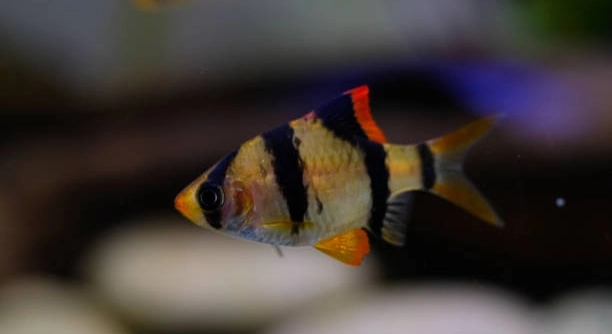
Do you ever find yourself wondering if your tiger barbs are truly comfortable around other fish in your aquarium?
Tiger barbs do feel stress from certain tankmates, especially those that are slow-moving, long-finned, or overly aggressive. Their semi-aggressive nature makes them prone to nipping and reacting poorly to incompatible companions.
Learning which fish work best with tiger barbs can help reduce stress and improve the overall health of your tank.
Why Tankmates Matter for Tiger Barbs
Tiger barbs are active fish that thrive in groups and enjoy constant movement. Their behavior can shift quickly based on their environment, especially when it comes to the fish they share their space with. Some tankmates can trigger aggressive behavior, while others may leave tiger barbs feeling uneasy or stressed. Long-finned or slow-swimming fish often draw unwanted attention, leading to fin nipping and tension in the tank. Choosing the right companions is important for keeping tiger barbs calm and healthy. A peaceful, well-balanced aquarium allows them to display their natural behavior without feeling threatened or overstimulated. Keeping them in a group of six or more also helps reduce stress and discourages aggression. The more comfortable and stable their environment, the better they will eat, interact, and explore their space.
The wrong mix of tankmates can cause tiger barbs to become agitated, hide more often, or even stop eating.
If you’re seeing unusual behavior in your tiger barbs, such as darting, fin clamping, or lack of appetite, it might be linked to how they feel around other fish. Stress in the tank doesn’t always come from poor water quality or temperature changes. Sometimes, it’s just the presence of a fish that doesn’t match their pace or energy.
Signs of Stress in Tiger Barbs
Stressed tiger barbs often display erratic swimming, color fading, or loss of appetite. You may also notice them hiding more or acting aggressively.
A healthy tiger barb is active, curious, and shows strong colors. When stress sets in, these patterns shift. You might see them hovering near the bottom or hiding behind decorations, which is not typical for their playful nature. Sometimes they become more aggressive, nipping at tankmates out of frustration. Other times, they may withdraw and stop eating. These changes usually happen when they’re kept with fish that don’t match their energy levels. For instance, pairing tiger barbs with slow, delicate species like angelfish can make them feel restless or competitive. Watching for subtle changes in mood and behavior is helpful. When noticed early, you can take steps to adjust the tank setup and improve their living conditions. That way, your tiger barbs can return to their usual spirited selves and enjoy a peaceful community setup.
Best Tankmates for Tiger Barbs
Choosing active, similarly sized fish is important when setting up a tank with tiger barbs. Good companions include danios, loaches, and larger tetras. These species can handle the fast pace and playful nature of tiger barbs without becoming stressed or picked on.
Danios are a great match because they are fast swimmers and stay out of trouble. Clown loaches and yoyo loaches also work well, as they enjoy the bottom of the tank and rarely clash with mid-level swimmers like tiger barbs. Rosy barbs and black skirt tetras are another solid choice due to their size and temperament. Avoid fish that are too small, slow, or have flowing fins, as these can trigger nipping behavior. The right tankmates will help reduce stress and support a balanced tank dynamic where all fish feel comfortable and secure in their space.
A group of six or more tiger barbs helps keep the focus on their own group and reduces aggression toward other species. When kept in a proper group, their energy is directed at playful chasing among themselves rather than bothering tankmates. Adding hiding spots and plants also allows less social species to retreat when needed. This setup encourages healthy social behavior and keeps everyone more relaxed. Tank size also matters—a larger space allows better swimming flow and gives all fish more personal room, which can ease tension.
Tank Conditions That Reduce Stress
Keep the water temperature between 74–79°F and maintain steady parameters. Tiger barbs are sensitive to changes, so weekly water checks help prevent stress-related behavior and illness.
In addition to keeping stable water conditions, make sure your tank has enough open swimming space along with hiding spots. Tiger barbs love movement and need room to dart around, but they also feel more at ease when they know there are safe places to rest or retreat. Use live or silk plants, caves, and driftwood to break up the sightlines and help create a more calming environment. A well-planted tank doesn’t just look nice—it helps reduce stress and aggression. Stick to a consistent feeding schedule with a balanced diet to keep their energy steady. A good filter that creates moderate water flow also mimics their natural environment, keeping them active and engaged without overwhelming them.
Tankmates to Avoid
Avoid pairing tiger barbs with angelfish, bettas, or guppies. These species have long fins and calmer temperaments, which often attract unwanted attention from tiger barbs. Fin nipping and chasing can lead to injuries and long-term stress.
Small, shy fish like neon tetras or ember tetras may also struggle. Their quiet nature and small size make them easy targets for bullying or intimidation, especially in smaller tanks where escape routes are limited.
How to Observe Behavior Over Time
Watch your tiger barbs during feeding, rest, and active periods. Signs like hiding, chasing, or skipping meals can point to tension with certain tankmates. Pay attention to changes in color or posture—faded colors and clamped fins are signs of stress. Take mental notes or keep a log of unusual behavior. If one fish is always the target, you may need to rehome it or adjust the tank setup. Rearranging decorations or adding more plants can sometimes ease tension. Keeping a close eye on your fish’s behavior helps you catch small problems before they grow into bigger ones.
Final Thoughts on Compatibility
A peaceful tank setup begins with picking species that match tiger barbs’ energy and social habits. Careful planning makes a noticeable difference.
FAQ
Can tiger barbs live with other barbs?
Yes, tiger barbs can live peacefully with other types of barbs, especially those that are similar in size and temperament. Rosy barbs, cherry barbs, and black ruby barbs are generally good options. It’s best to keep all barb species in groups of six or more to reduce stress and prevent territorial behavior. Make sure the tank is large enough to give each group room to swim and interact. Having a variety of plants and hiding spots also helps each group feel secure without clashing with one another.
Do tiger barbs need to be in groups?
Yes, tiger barbs should always be kept in groups. They are social fish that naturally school together in the wild. A group of at least six helps reduce aggression by spreading out their energy among their own kind. When kept alone or in pairs, tiger barbs often become more aggressive or stressed, which can lead to nipping at other tankmates or hiding for long periods. Keeping a proper group helps them feel safe and lets them display natural, healthy behavior like playful chasing and synchronized swimming.
What tank size is best for tiger barbs and their tankmates?
A minimum tank size of 20 gallons is recommended for a small group of tiger barbs, but 30 gallons or more is better if you plan to include other species. A larger tank provides more swimming space, which helps reduce stress and prevents overcrowding. It also allows you to add plants, decorations, and hiding places without limiting movement. For community tanks, the extra space helps fish avoid one another when needed and allows each species to claim their own area of the tank comfortably.
How can I tell if a tankmate is stressing out my tiger barbs?
You may notice your tiger barbs hiding, becoming aggressive, or swimming erratically. Their color may fade, or they may stop eating. If these signs start soon after adding a new tankmate, that species might not be a good match. Tiger barbs are sensitive to changes in their environment and may react strongly if they feel threatened or uncomfortable. Watch how your fish behave around each other and consider removing any fish that seem to cause repeated stress or disruptions in the tank.
What happens if I ignore stress signs in tiger barbs?
Ignoring stress can lead to long-term health issues, including weakened immune systems, illness, and even death. Stressed tiger barbs may develop fin rot, ich, or other infections. They can also become more aggressive, creating tension in the tank and causing stress for other fish. Over time, a constantly stressed environment makes the whole tank feel unstable. It’s important to respond early by adjusting tankmates, improving the environment, or changing water conditions as needed. Quick action helps prevent further problems and keeps your tank healthy.
Is it okay to mix tiger barbs with bottom dwellers?
Yes, tiger barbs usually do well with bottom dwellers like corydoras, loaches, and bristlenose plecos. Since these fish stay mostly on the bottom and out of the tiger barbs’ active swimming zone, they tend to avoid direct conflict. Still, make sure your tank has enough hiding places and open space for both groups to stay comfortable. Avoid slow-moving or very shy bottom dwellers that might get stressed by the barbs’ fast, unpredictable movements. A well-balanced setup makes it easier for all species to coexist without tension.
How often should I check for stress signs?
Daily observation is ideal. Spend a few minutes watching your tank in the morning or evening when fish are most active. Look for changes in swimming patterns, aggression, hiding, appetite, or color. Even small changes can signal that something in the tank isn’t right. Regular checks allow you to catch problems early, whether it’s a bad tankmate match, a water issue, or something else. Keeping a consistent eye on behavior is one of the easiest and most effective ways to ensure a healthy, peaceful aquarium.
Final Thoughts
Tiger barbs are energetic fish that do best when kept with the right tankmates. Their social nature means they need to be in a group, and their bold behavior requires other fish that can match their energy without causing stress. When placed with calm or delicate species, tiger barbs may become too aggressive or anxious. This can lead to health problems and tension in the tank. Picking tankmates that are similar in size, speed, and activity helps avoid these issues. It also allows all fish in the tank to live peacefully and behave in natural, healthy ways.
Providing a well-balanced environment is just as important as choosing the right companions. Stable water conditions, enough space to swim, and places to hide all help reduce stress for tiger barbs. A tank with plants, open areas, and clear boundaries allows each fish to find its own spot and feel safe. When your tank is well-designed, you’ll notice more active swimming, better color, and less aggressive behavior. Feeding a varied diet and keeping a regular routine also helps fish stay calm and healthy. Each small detail you add to the tank setup plays a role in creating a space that supports your tiger barbs’ needs.
Keeping a close watch on your fish will help you know when something isn’t right. If you notice changes like hiding, loss of appetite, or signs of aggression, it could mean your tiger barbs are uncomfortable with their tankmates or their surroundings. Paying attention to behavior lets you make quick changes before things get worse. Whether it’s removing an unsuitable fish or changing the layout of the tank, small actions can have a big impact. With the right care, tiger barbs can live happy, active lives in a community tank. Understanding how they react to others and adjusting their environment to match those needs will make your aquarium a more peaceful and enjoyable space—for both you and your fish.

Hello,
If you enjoy the content that we create, please consider saying a "Thank You!" by leaving a tip.
Every little bit helps us continue crafting quality advice that supports the health, happiness, and well-being of pets around the world, for pets of all shapes, sizes, and species.
We really appreciate the kindness and support that you show us!