
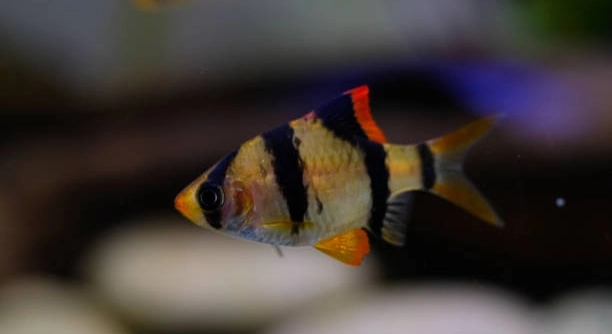
Many people enjoy keeping tiger barbs in their aquariums because of their lively nature and bright colors. These fish are known to be social and often kept in groups. Understanding how they behave in groups can help hobbyists care for them better.
Tiger barbs are social fish that thrive in groups and rarely experience loneliness when kept in proper numbers. Their natural behavior encourages schooling, which provides security and reduces stress among individuals within the group.
Knowing how tiger barbs interact in groups can improve their well-being and help you create a balanced aquarium environment.
Why Tiger Barbs Prefer Groups
Tiger barbs are naturally schooling fish. In the wild, they live in large groups that help protect them from predators. When kept alone or in too small a group, they can become stressed and act aggressively. This behavior comes from feeling unsafe or isolated. Having at least six or more tiger barbs in a tank allows them to swim and interact naturally. The group creates a sense of safety, and the fish tend to display their best colors and activity levels. If the group is too small, some fish may become targets of bullying or may hide often. A larger group spreads out this attention, making life calmer and healthier for each fish. Watching a well-sized group can be lively and enjoyable, as they move together with clear social signals.
Groups help tiger barbs stay balanced emotionally and physically.
Keeping a good number of tiger barbs reduces aggression and keeps them more active. A lively group mimics their natural behavior and encourages healthy social bonds. These bonds mean less stress, better immune response, and longer lifespans. It also limits the chance of one fish becoming overly dominant. When their social needs are met, tiger barbs show less destructive behavior like fin nipping. Maintaining a proper group size benefits the entire tank’s harmony, making care easier and more rewarding for the keeper.
Signs of Loneliness or Stress in Tiger Barbs
Lonely tiger barbs may show changes in behavior or health.
Stress signs include hiding, reduced movement, faded colors, and increased aggression toward tank mates or even themselves. Some may stop eating or lose weight. These signs point to a need for more social interaction or a better tank environment. Ignoring these symptoms can lead to illness or early death.
Spotting stress early helps improve their care quickly. A lonely fish usually brightens and becomes more active when introduced to a proper group. Making sure the tank is large enough and includes plants or hiding spots also lowers stress. Balancing their social environment is key to healthy tiger barbs. Regularly observing their behavior will help you keep your fish happy and thriving.
Ideal Group Size for Tiger Barbs
A group of at least six tiger barbs is recommended for a healthy social environment. Smaller groups often lead to aggression and stress.
Keeping six or more tiger barbs allows them to establish a natural social hierarchy without targeting one fish excessively. This number lets them school together, which reduces stress and encourages normal behavior. Groups smaller than six can cause bullying because there aren’t enough fish to spread out aggression. In a larger group, the fish focus on each other instead of picking on a single individual. It also helps them feel more secure and active in the tank. Proper group size supports their well-being and keeps the aquarium peaceful.
If your tank is small, choose fewer tiger barbs but understand that aggression risks will increase. A bigger tank with a larger group is always better for their social needs. It improves water quality and provides space for swimming, hiding, and exploring. Meeting these conditions keeps your tiger barbs healthy and lively.
How to Introduce New Tiger Barbs to an Existing Group
Adding new tiger barbs slowly helps reduce stress and aggression in the group.
Introduce new fish by quarantining them first to avoid spreading illness. When adding them to the main tank, do it during the evening or in low light. This lowers the chance of immediate attacks. Adding several new fish at once helps balance the social dynamics so no single fish is singled out. Provide plenty of hiding spots and plants to help new arrivals feel safe. Watching their behavior closely during the first days is important.
If aggression appears, try rearranging tank decorations to break up established territories. Feeding the group well during introductions can distract fish from fighting. Giving new tiger barbs time and space lets them adjust and find their place. This careful process keeps your group stable and happy.
How Tank Size Affects Tiger Barb Behavior
A larger tank allows tiger barbs to swim freely and reduces aggression. Small tanks limit their movement and increase stress.
When confined in tight spaces, tiger barbs become more territorial and may nip fins. Providing enough room helps maintain peaceful group dynamics and encourages natural schooling behavior.
Creating a Comfortable Environment for Tiger Barbs
Plants, hiding spots, and open swimming areas make tiger barbs feel secure and active. Decorations break up sight lines, reducing aggression.
Adding live or artificial plants offers shelter and places to explore. Smooth rocks or driftwood create natural barriers. Open areas let them school comfortably. A well-decorated tank mimics their natural habitat, lowering stress and promoting healthy behavior.
Recognizing When Tiger Barbs Are Lonely
Lonely tiger barbs may become lethargic or overly aggressive.
They might hide more often or lose color. Watching their activity helps identify if social needs aren’t met.
FAQ
Do tiger barbs need to be kept in groups?
Yes, tiger barbs are schooling fish and do best when kept in groups of six or more. Being in a group helps reduce stress, encourages natural behavior, and limits aggressive actions toward other fish or each other. Alone or in small numbers, they may become aggressive or shy.
How many tiger barbs should I keep together?
A minimum of six tiger barbs is recommended for a healthy social environment. This number allows them to spread out any aggressive behavior and form a natural social hierarchy. Smaller groups tend to lead to bullying or stress, while larger groups promote more balanced interactions.
Can tiger barbs get lonely if kept alone?
Tiger barbs can become lonely and stressed when kept alone or in very small groups. Without companions, they may show signs of boredom, hiding, or aggression. Keeping them with enough tank mates helps mimic their natural environment and keeps them active and healthy.
What are signs of loneliness or stress in tiger barbs?
Signs include hiding more than usual, faded colors, loss of appetite, and increased aggression. Sometimes, a lonely tiger barb will nip at its own fins or act lethargic. These symptoms indicate the need for more social interaction or a better tank environment.
How should I introduce new tiger barbs to my tank?
Introduce new tiger barbs slowly and with care. Quarantine new fish first to avoid disease. Add several new fish at once during low light or evening hours to reduce aggression. Provide hiding spots and rearrange decorations to break up established territories. Monitor behavior closely during the first days.
What tank size is best for tiger barbs?
A tank of at least 30 gallons is ideal for a group of six tiger barbs. Larger tanks provide space for swimming and reduce territorial behavior. Small tanks increase stress and aggression, making it harder for tiger barbs to live peacefully.
Do tiger barbs get along with other fish?
Tiger barbs can be aggressive, especially with long-finned or slow-moving fish. They do better with other fast, similarly sized fish that can handle their active nature. Keeping them in a proper group helps reduce aggression toward tank mates.
How can I reduce aggression in a tiger barb group?
Keep at least six or more tiger barbs to spread out aggression. Provide plenty of hiding spots and open swimming areas. Rearranging tank decorations can help break up territories. Feeding well during introductions also distracts them and lowers aggressive behavior.
What kind of environment helps tiger barbs thrive?
A well-planted tank with open swimming areas and hiding places creates a comfortable habitat. Natural decorations like smooth rocks and driftwood help break sight lines and reduce stress. Stable water parameters and regular maintenance keep them healthy.
Can tiger barbs live happily without a group?
While they might survive alone, tiger barbs will not thrive without companions. Their natural schooling instincts mean they need a group for social interaction and mental stimulation. Without this, their health and behavior often decline.
Tiger barbs are naturally social fish that do best when kept in groups. Their behavior in a group setting helps them feel safe and active. When you keep them in the right numbers, they show less stress and aggression. A group of six or more tiger barbs is usually enough to support their social needs. This allows them to swim together, explore their environment, and develop natural behaviors that make them healthier and happier. If kept alone or in too small a group, tiger barbs can become lonely, stressed, and even aggressive toward each other or other fish in the tank.
Creating a proper environment is just as important as keeping the right group size. Tiger barbs need enough space to swim freely, along with plants or decorations to hide in and explore. A larger tank helps reduce territorial behavior and gives the fish room to spread out. Adding places to hide or break sight lines lowers stress and helps keep the group peaceful. Feeding the fish well and maintaining clean water also supports their health and helps prevent aggressive behavior. Watching your tiger barbs regularly will help you notice if they are stressed or lonely so you can make changes quickly.
In summary, the best way to keep tiger barbs from feeling lonely is by providing a suitable group size and a comfortable tank setup. When their social and environmental needs are met, tiger barbs live longer and are more active. This makes the tank more enjoyable to watch and easier to care for. Paying attention to how your fish behave can help you spot problems early. By doing this, you ensure your tiger barbs stay healthy and lively for a long time.

Hello,
If you enjoy the content that we create, please consider saying a "Thank You!" by leaving a tip.
Every little bit helps us continue crafting quality advice that supports the health, happiness, and well-being of pets around the world, for pets of all shapes, sizes, and species.
We really appreciate the kindness and support that you show us!