
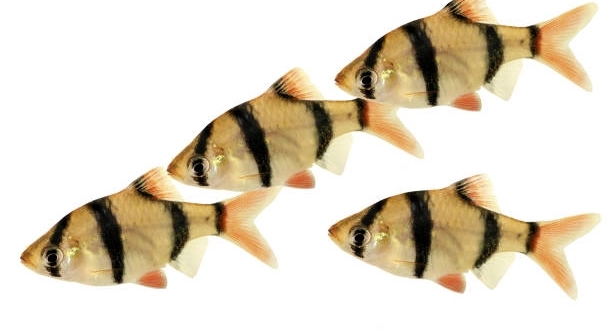
Have you ever watched your tiger barbs swim around and wondered if tank changes affect their behavior or mood in any way?
Tiger barbs generally enjoy moderate tank rearrangements, as these changes stimulate their curiosity and reduce territorial aggression. Environmental changes can help redirect energy and prevent boredom, making tank rearrangements beneficial when done carefully and in moderation.
Understanding the impact of these changes will help you create a healthier, more enriching tank environment for your tiger barbs.
Why Rearranging the Tank Can Be Good for Tiger Barbs
Tiger barbs are active fish that enjoy stimulation and variety in their environment. A freshly rearranged tank can offer them new places to explore, reducing stress and encouraging healthy behavior. When the layout changes, they tend to investigate new hiding spots, plants, and objects, which helps prevent boredom and aggression. These fish are naturally curious, and a slight change in their surroundings can keep them more alert and engaged. However, too many changes too often can cause anxiety. The key is to strike a balance—make small adjustments that refresh their environment without completely disrupting their space. Keeping familiar elements in place while shifting decor or plants can help maintain a sense of safety while also offering novelty. Providing this type of enrichment contributes to their overall health, especially in community tanks. Thoughtful rearrangement can help reduce dominant behavior and give all tank mates more equal access to space.
A new tank layout can reset territorial boundaries and limit aggressive interactions between fish.
Be mindful not to overdo changes. Give them time to adapt before making another adjustment. Observing how they react to a new layout is helpful. If they seem stressed, return some elements to their original place. Watch their swimming and group behavior closely.
How to Rearrange the Tank Safely
Sudden, dramatic changes should be avoided. Rearrange the tank gradually, one section at a time. Always monitor your tiger barbs for signs of stress.
Start by cleaning the tank and making sure your hands and tools are free of harmful substances. Rearranging objects like rocks, driftwood, and artificial plants can help stimulate your tiger barbs without removing their sense of familiarity. If they have a favorite hiding spot or corner, consider keeping that area mostly unchanged. This can help reduce the chance of stress. Avoid removing all the decor or shifting the entire tank at once. Instead, plan a small change every few weeks. Make sure water quality is stable throughout the process—test your parameters before and after rearrangement. Moving items during a water change can also make the process smoother and less intrusive. After rearranging, feed them a small meal to help reestablish comfort. Watch them for any signs of hiding or erratic swimming.
Signs Your Tiger Barbs Are Responding Well
When tiger barbs enjoy tank changes, they become more active, swim in groups, and explore the new setup without hesitation. They may also chase each other playfully or take turns inspecting rearranged areas of the tank.
A positive response often includes increased shoaling behavior and balanced interaction with tank mates. You may notice them weaving through new structures, using hiding spots, or establishing fresh swim routes. These signs indicate curiosity and comfort. If they feed well and continue interacting with each other calmly, it means the changes are working well. Avoid making more adjustments right away—let them settle first. Aggressive behavior may also decrease slightly as territories shift. They often treat the new layout as a reset, reducing dominance from one fish over certain areas. Keep an eye on the group as a whole, and make sure no individual is isolating or becoming too territorial after the change.
On the other hand, if they react poorly, you’ll likely see signs like frantic swimming, loss of appetite, or persistent hiding. These behaviors can mean they’re overwhelmed. Give them time to adjust, and avoid additional changes. If needed, replace one or two familiar elements to help calm them. Use soft lighting to reduce stress temporarily.
How Often You Should Rearrange the Tank
Minor rearrangements every few weeks can help keep tiger barbs mentally stimulated. Shifting one or two pieces of decor or changing plant positions gives them something new to explore without overwhelming their sense of space or territory.
Too many changes too often can cause stress, especially if they lose all sense of familiarity in their environment. A gentle rearrangement once a month works well for most tanks. Avoid moving everything at once. Rotate between areas of the tank instead—adjust the left side one month, then the right side later. This approach gives your tiger barbs enough time to settle in and stay curious without feeling unsettled. Keep the overall layout recognizable by maintaining key features like their favorite hiding spots. Watch how they behave after each update. Some groups handle change better than others. If your barbs seem sensitive, limit changes to just one or two times per season.
What to Avoid During Rearrangement
Avoid making loud noises or sudden movements while working in the tank. Tiger barbs are easily startled and may react with stress or aggression. Keep the process calm and gentle to maintain a peaceful environment during the rearrangement.
Do not remove all the decorations at once. Stripping the tank of hiding spots and familiar objects can make tiger barbs feel exposed and anxious. Gradual changes are better and help them adjust more easily while still giving them something new to explore.
Do Tiger Barbs Ever Need a Completely New Layout?
A full tank reset is rarely necessary unless you’re dealing with disease, overcrowding, or a major issue with aggression. In most cases, smaller changes are enough to refresh their environment and keep them mentally engaged. A complete overhaul should only be done if the current setup is truly not working for your fish. If that’s the case, plan the new layout carefully. Include enough hiding places, open swim areas, and plants to balance the space. Reintroduce some previous decor to keep a sense of familiarity. Monitor your tiger barbs closely after the reset, and give them time to adjust slowly.
When Rearranging Isn’t Recommended
If your tiger barbs are sick or showing signs of high stress, it’s best to delay changes. Give them a stable, quiet environment until their behavior and health return to normal.
FAQ
Do tiger barbs get stressed from tank rearrangements?
Yes, tiger barbs can experience stress if tank changes are too sudden or drastic. These fish rely on their environment for security, so removing familiar objects or shifting everything at once can make them anxious. Stress may show as erratic swimming, hiding, or loss of appetite. To prevent this, rearrange slowly and keep some consistent elements. Small changes over time help them adapt without overwhelming their senses. Monitoring their behavior during and after adjustments will indicate how well they are coping with the new setup.
How do I know if my tiger barbs are stressed?
Signs of stress in tiger barbs include frantic swimming, staying hidden for long periods, reduced feeding, and increased aggression. If they scatter or dart nervously, it means they feel unsafe. Another sign is faded coloration, which often reflects poor health or stress. Watch for changes in group behavior—if the shoaling breaks down and fish isolate themselves, it may mean they are uncomfortable. Stress can weaken their immune system, so it’s important to keep tank changes gentle and gradual.
Can I rearrange the tank while my tiger barbs are still young?
Young tiger barbs are more adaptable but still benefit from gradual changes. Introducing new elements in a calm way can help young fish become familiar with different hiding spots and swim paths. Avoid drastic shifts that disrupt their developing territories. Regular but small rearrangements can encourage exploration and reduce boredom. It’s a good time to create a stimulating environment that supports healthy growth and natural behavior patterns.
Should I rearrange the tank if my tiger barbs are aggressive?
Rearranging the tank can help reduce aggression by breaking up established territories. Changing decor or adding new hiding places can prevent dominant fish from controlling certain areas. However, be cautious not to stress them further. Small adjustments that redistribute space can promote a more balanced social structure. Observe how your tiger barbs react—if aggression decreases, it’s a sign the changes are beneficial. If aggression worsens, return some familiar elements and avoid further rearrangements for a while.
Is it okay to rearrange the tank during a water change?
Yes, combining rearrangement with a water change is practical and less disruptive. During water changes, fish tend to be less active, making it a good time to move decorations or plants carefully. Make sure water parameters remain stable, and avoid disturbing the substrate too much. This method limits stress since the tank’s environment is already being refreshed. Just be gentle and avoid sudden, large-scale changes.
How long does it take for tiger barbs to adjust to a new tank layout?
Adjustment time varies but usually ranges from a few days to two weeks. During this period, fish explore the new setup and establish new territories. Most tiger barbs will resume normal behavior within one week if changes are moderate. Watch for stress signs and be patient. If they seem unsettled after two weeks, consider reversing some changes or adding familiar features. Providing stable water conditions and regular feeding supports their adjustment process.
Can rearranging the tank improve tiger barb health?
Yes, rearranging can boost mental stimulation, reducing boredom-related stress, which positively affects overall health. A well-designed tank encourages natural behavior, such as shoaling and exploring, which keeps fish active. This activity helps maintain good muscle tone and prevents lethargy. Additionally, new hiding spots reduce stress by giving timid fish safe places. Regular environmental enrichment is part of good fishkeeping and helps tiger barbs thrive in captivity.
Are there tank features tiger barbs dislike during rearrangement?
Tiger barbs generally dislike sudden removal of hiding spots or open swim areas. Removing all plants or decor leaves them exposed and stressed. Sharp or rough objects can injure them and should be avoided. They prefer tanks with a balance of cover and open space. Rearranging with these preferences in mind will keep them comfortable. Avoid overcrowding the tank with too many decorations, which can reduce swimming space and increase territorial disputes.
Does lighting affect how tiger barbs respond to rearrangements?
Lighting can influence how tiger barbs react to changes. Bright lighting may make new setups feel more exposed, increasing stress. Dimming the lights during and shortly after rearrangement can help them feel safer. Gradually returning to normal lighting lets fish acclimate to their environment without feeling threatened. Consistent light cycles also help maintain their internal rhythms, supporting normal behavior during tank changes.
Is rearranging necessary if the tank looks fine?
Rearranging isn’t always necessary if the tank environment meets the needs of your tiger barbs. However, small changes can prevent boredom and reduce aggression over time. If fish are active, healthy, and peaceful, large rearrangements may not be needed. Occasionally refreshing the tank keeps the environment stimulating but avoid doing so out of habit. Focus on water quality and proper nutrition first, then consider rearrangement as a supplementary enrichment tool.
Rearranging a tank can have a positive effect on tiger barbs when done thoughtfully. These fish benefit from some variety in their environment, which helps keep them active and engaged. Moderate changes to the tank’s layout can stimulate their natural curiosity and reduce aggressive behavior by breaking up established territories. However, it is important to make adjustments gradually. Sudden or extreme changes may cause stress and anxiety. Maintaining a balance between new and familiar elements in the tank allows tiger barbs to feel safe while still enjoying a fresh space to explore.
Observing your tiger barbs closely during and after rearrangements is key to understanding their comfort level. Healthy signs include active swimming, group behavior, and regular feeding. If your fish show stress behaviors, such as hiding, erratic swimming, or loss of appetite, it is best to slow down the process and give them time to adapt. Small, simple adjustments every few weeks can be enough to keep the environment stimulating without overwhelming the fish. Remember, not all tank changes need to be major. Even moving a few decorations or plants can refresh the tank and benefit your fish’s well-being.
Overall, tank rearrangements should be seen as a tool to improve your tiger barbs’ quality of life, not as a frequent or disruptive habit. Stable water conditions, proper diet, and careful monitoring of behavior are more important for their health than constant changes. When done carefully, rearranging can help reduce aggression, encourage natural activity, and create a more balanced community tank. Taking the time to plan changes and watching your fish’s reactions will help ensure your tiger barbs remain happy and healthy in their aquatic home.

Hello,
If you enjoy the content that we create, please consider saying a "Thank You!" by leaving a tip.
Every little bit helps us continue crafting quality advice that supports the health, happiness, and well-being of pets around the world, for pets of all shapes, sizes, and species.
We really appreciate the kindness and support that you show us!