
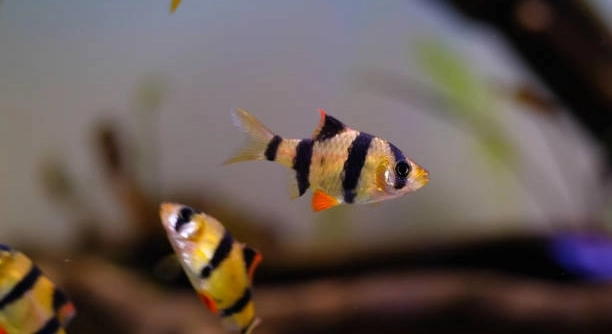
Tiger Barbs are popular freshwater fish often kept by aquarium enthusiasts. Their behavior around eggs can be puzzling to many fishkeepers. Understanding what happens to their eggs is important for successful breeding.
Tiger Barbs are known to eat their own eggs under certain conditions. This behavior is common in many fish species and is influenced by factors like stress, lack of food, or protecting their territory. Careful management can reduce this risk.
Learning about this behavior helps fishkeepers create a better environment for breeding. Knowing what to expect can improve the chances of healthy fry and a thriving aquarium.
Why Tiger Barbs Eat Their Own Eggs
Tiger Barbs eating their own eggs is a natural behavior linked to survival instincts. In the wild, this helps control overcrowding and protects the parents from wasting energy on eggs unlikely to survive. When conditions in an aquarium are stressful, such as poor water quality or overcrowding, this behavior can increase. The fish may also eat eggs if they mistake them for food or if they are hungry. Sometimes, removing the eggs quickly or separating the breeding pair can help reduce egg predation. Understanding these triggers can help maintain a healthy breeding environment for Tiger Barbs.
Egg-eating is common but manageable with proper care. Stress and overcrowding are the biggest triggers.
Recognizing when Tiger Barbs are stressed or hungry helps prevent them from eating their eggs. Providing hiding places and clean water improves egg survival. Separating eggs soon after spawning also works well. Keeping a balanced diet means the adults are less likely to view eggs as food. This care increases chances for healthy fry and a successful breeding setup.
How to Protect Tiger Barb Eggs
One effective method to protect Tiger Barb eggs is to use a separate breeding tank. This tank should have gentle filtration and plenty of plants or spawning mops to provide cover. Eggs are fragile and can be easily damaged by other fish or strong water flow. Keeping them isolated ensures they have a better chance to hatch without disturbance.
Creating a safe environment means fewer eggs get eaten.
It’s important to remove adult fish after spawning or when eggs appear. Adults can harm or eat the eggs if left together. Use a fine mesh or breeding net to catch the eggs carefully and transfer them. Maintain stable water parameters—clean, warm water encourages healthy development. Monitor the eggs closely for fungus and remove any infected ones. These steps improve survival rates and help you raise healthy Tiger Barb fry successfully.
Feeding Tiger Barbs During Breeding
Proper feeding reduces the chances of egg-eating. Well-fed adults are less likely to see their eggs as food.
Offering a varied diet with high-quality flakes, pellets, and live or frozen foods keeps Tiger Barbs healthy. Protein-rich foods like brine shrimp and bloodworms support breeding and increase energy levels. Feeding small amounts several times a day prevents hunger and stress, which can trigger egg predation. Avoid overfeeding, as leftover food can spoil water quality and harm eggs.
Maintaining consistent feeding routines during breeding helps reduce aggression and stress. Healthy fish tend to focus more on protecting their territory than eating eggs. It also helps maintain overall aquarium health, supporting both adults and fry through the breeding process.
Signs Tiger Barbs Will Eat Their Eggs
Aggressive behavior and increased chasing among Tiger Barbs often signal egg-eating risk. Adults may become restless or more territorial after spawning.
If you notice adults frequently hovering near the spawning site or pecking at the substrate, egg predation is likely. Eggs may disappear quickly or show signs of being disturbed. Watch for sudden changes in fish behavior, including increased activity or aggression, which can mean stress or hunger. Monitoring these signs allows timely intervention to protect the eggs.
Using breeding nets or separating adults after spawning can prevent egg loss. Recognizing these behaviors early gives you a better chance to save the eggs and raise healthy fry.
Timing of Egg Eating
Tiger Barbs usually eat eggs within the first few days after spawning. This is when eggs are most vulnerable and easy to reach.
Egg predation tends to decrease once eggs start to hatch and fry become more active and mobile.
Common Mistakes to Avoid
A common mistake is leaving adult Tiger Barbs with the eggs too long. This often results in eggs being eaten before they can hatch. Another error is overcrowding the tank, which increases stress and aggression. Poor water quality also contributes to adults eating eggs. Ensuring clean water, enough space, and removing adults at the right time greatly improves egg survival.
Signs of Healthy Fry
Healthy Tiger Barb fry swim actively and feed eagerly within a few days of hatching. They avoid strong currents and stay close to hiding spots. Watching these signs indicates successful breeding and care.
FAQ
Do Tiger Barbs always eat their own eggs?
Not always. While Tiger Barbs have a natural tendency to eat their eggs, especially under stress or hunger, they do not do it all the time. If conditions in the tank are good—meaning clean water, enough food, and limited stress—the chances of egg-eating decrease significantly. Many hobbyists successfully breed Tiger Barbs by managing these factors carefully.
How can I prevent Tiger Barbs from eating their eggs?
The best way to prevent this is by removing the adults after spawning or placing the eggs in a separate breeding tank. Providing plenty of hiding spots and maintaining excellent water quality also helps. Feeding the adults a varied, protein-rich diet reduces their need to eat eggs for nutrition. Timely intervention is key to protecting the eggs.
Why do Tiger Barbs eat their eggs even when they are well-fed?
Sometimes egg-eating is driven by instinct rather than hunger. In some cases, adults eat eggs to reduce overcrowding or to clear space for future spawning. Stress or feeling threatened can also trigger this behavior. Even well-fed fish might eat eggs if they perceive the environment as unsafe or unstable.
How long do Tiger Barb eggs take to hatch?
Tiger Barb eggs usually hatch within 24 to 36 hours after being laid. The exact time depends on water temperature, with warmer water speeding up development. After hatching, the fry remain near the spawning site for a few days before becoming more active and exploring the tank.
Can Tiger Barb fry survive with adult fish present?
Usually not. Adult Tiger Barbs often see their fry as food, especially in a small tank. It’s best to separate the fry into a nursery tank or breeding box to give them a better chance of survival. This prevents adults from eating them and allows the fry to grow safely.
What should I feed Tiger Barb fry?
Initially, fry feed on their yolk sac for the first two days. After that, they need very small foods like infusoria, newly hatched brine shrimp, or specially prepared fry food. Feeding tiny, frequent meals helps them grow strong. Gradually, they can move on to finely crushed flakes or pellets.
Is it normal for Tiger Barb parents to show aggression after spawning?
Yes, it is quite normal. After spawning, Tiger Barbs often become territorial and aggressive. This can lead to chasing or even egg-eating. Providing extra space and hiding spots helps reduce stress and aggression. Removing adults after spawning can also protect eggs and fry.
Can environmental factors influence egg-eating?
Definitely. Poor water quality, overcrowding, sudden changes in temperature, or noisy surroundings can increase stress, causing Tiger Barbs to eat their eggs. Maintaining a stable, clean, and calm environment is essential for successful breeding and protecting eggs.
How do I know if eggs have been eaten or are just not fertilized?
Fertilized eggs are usually clear or slightly yellowish and develop visible embryos. Unfertilized eggs turn white or cloudy and often get fungus. If eggs disappear suddenly, they’ve likely been eaten. Observing the eggs closely during the first day helps tell the difference.
Is it necessary to use a breeding mop or plants for Tiger Barbs?
Yes, breeding mops or fine-leaved plants provide ideal surfaces for Tiger Barbs to lay eggs. They also offer protection for the eggs, making it harder for adults to reach them. Using spawning mops can improve egg survival and make collecting eggs easier for breeding success.
Tiger Barbs eating their own eggs is a natural behavior that can be surprising to many fishkeepers. It happens mostly because of instincts related to survival, stress, or hunger. Understanding this behavior is important when trying to breed Tiger Barbs successfully. Many factors influence whether adults will eat their eggs, including the tank environment, water quality, and how well-fed the fish are. When these factors are well controlled, the chances of eggs being eaten can be reduced significantly.
Creating a good environment for breeding Tiger Barbs involves several key steps. First, it is important to provide clean and stable water conditions. Regular water changes and monitoring temperature help keep the fish comfortable. Next, offering a varied diet with plenty of protein supports healthy adult fish, reducing their urge to eat eggs. Separating the eggs from adults after spawning is often necessary because adults tend to eat eggs or fry if left together. Using breeding tanks, mops, or plants as egg-laying surfaces gives the eggs protection. Paying attention to signs of stress or aggression in the fish can also help prevent egg loss.
Successful breeding requires patience and careful attention to details. Not every batch of eggs will survive, but with good care, many can hatch into healthy fry. Watching the eggs daily and taking quick action when needed improves outcomes. If you notice adults acting aggressively or the eggs disappearing, removing the adults is the best solution. Over time, learning from each breeding attempt will make it easier to understand Tiger Barbs’ behavior and improve survival rates. Keeping things simple and steady is key to raising healthy Tiger Barb fry and enjoying the process.

Hello,
If you enjoy the content that we create, please consider saying a "Thank You!" by leaving a tip.
Every little bit helps us continue crafting quality advice that supports the health, happiness, and well-being of pets around the world, for pets of all shapes, sizes, and species.
We really appreciate the kindness and support that you show us!