
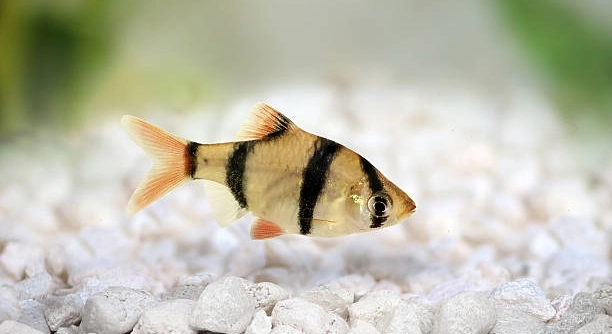
Have you ever noticed your tiger barbs acting differently when there’s a lot of noise around your home or aquarium setup?
Tiger barbs are sensitive to vibrations and loud noises, which can cause stress and lead to erratic behavior or hiding. Prolonged exposure to noise can disrupt their natural patterns, impacting both their health and overall well-being.
Learning how noise affects their environment can help you create a calmer, healthier space for your tiger barbs to thrive in.
How Loud Noises Affect Tiger Barbs
Tiger barbs are active and social fish that thrive in stable, peaceful environments. When there are loud sounds near their tank, such as TVs, music systems, or even frequent knocking, it can disrupt their routine. These noises create vibrations in the water that may feel uncomfortable or unfamiliar to them. Fish use a sensitive line along their body to sense movement and changes in water pressure, and strong vibrations from loud sounds can trigger stress responses. This often results in darting, hiding, or unusual aggression. Over time, continued exposure may affect their immune system, making them more likely to get sick. Even small bursts of loud noise, if repeated often, can make them more anxious. They do not adapt well to constant disturbance, and what may seem minor to us can feel overwhelming to them. Keeping their tank in a quiet spot can help them feel safe and stable.
Loud noises near a fish tank are not just annoying for the fish—they can have lasting effects on behavior and health.
If you often notice your tiger barbs hiding or swimming erratically, it could be linked to the noise levels near their tank. They do best in calm spaces with steady routines.
Creating a Quieter Environment
Keeping your fish tank in a quiet location is one of the best things you can do for your tiger barbs.
Avoid placing the tank next to speakers, near high-traffic areas, or where doors are frequently slammed. Rooms with carpets and curtains help absorb sound better than tiled or bare-walled areas. If you live in a noisy home, consider adding background noise like a quiet air pump or gentle filter flow to help mask sudden loud sounds. Adding more hiding spaces with plants or decorations can give tiger barbs a sense of security when they feel startled. It’s also a good idea to avoid tapping on the glass, as this can feel very intense for fish. If children or guests often come near the tank, gently remind them to be calm around it. Watching your tiger barbs behave naturally, without signs of stress, is a sign you’re providing a peaceful space. With a few small changes, you can help reduce their anxiety and support their long-term health and comfort.
Signs Your Tiger Barbs Are Stressed by Noise
If your tiger barbs are stressed, you might notice them swimming quickly around the tank, hiding more often, or chasing each other aggressively. These behaviors can be a direct response to sound vibrations that make them feel unsafe or unsettled.
Some tiger barbs may stop eating or become less active when exposed to frequent loud noises. You might also see them hovering in one corner of the tank, especially if it’s farther from the source of the noise. Their colors might look duller than usual, which is another sign of discomfort. Even small, repeated sounds—like footsteps or cabinet doors—can trigger a stress response. Since tiger barbs are usually energetic and social, sudden changes in their activity level should be taken seriously. They don’t always adjust well to noisy surroundings, so spotting these signs early helps protect their health and behavior.
Long-term stress from noise can weaken your tiger barbs’ immune system. This makes them more likely to get infections or parasites. Their natural sleep cycle may also be disrupted, especially if there’s frequent sound at night. If your tank is near a loud area, you may notice changes slowly over time. Paying attention to how they act after a noise spike can give clues about what’s bothering them.
What You Can Do to Help
Try to reduce sound levels near the tank by choosing a quieter room or adjusting the layout of your home. Thick curtains or rugs can help dampen the sound. Even small steps make a difference in keeping the environment stable for your fish.
If you can’t move the tank, try rearranging the space around it. Place soft furnishings like a nearby chair or wall hanging to help absorb some of the sound. You can also position the tank away from shared walls or places where vibrations are strongest. Use background sound like a gentle bubbler or sponge filter to help mask sharp noises. These steady sounds may provide a calming effect. Check for any sudden changes in household activity, like a new pet or different TV placement, that might be adding stress. When making changes, do them gradually. Tiger barbs respond better to steady environments. Keeping an eye on their behavior will help you know if your efforts are working.
Sounds to Avoid Around the Tank
Avoid placing your tank near loudspeakers, subwoofers, or television sets. These can create heavy vibrations that travel through surfaces and water. Even if the sound doesn’t seem loud to you, it can be intense for your fish.
Slamming doors, dropping objects, and shouting near the tank should also be avoided. Sudden, sharp noises can trigger fear and stress in tiger barbs. Keeping the environment calm and steady will help your fish feel more secure.
When to Take Action
If you see signs like erratic swimming, lack of appetite, or frequent hiding, it’s best to act quickly. These behaviors may seem small at first, but ignoring them can lead to bigger problems over time. Start by reducing nearby noise and giving your tiger barbs a quiet place to rest. Add extra plants or decorations to offer more cover. If possible, move the tank to a low-traffic room. Make changes one step at a time so the fish aren’t overwhelmed. Watch how they respond. If they begin to act more relaxed, your efforts are helping. Keeping a calm space around their tank is one of the best ways to protect their health.
Why It Matters
A quiet and steady environment helps your tiger barbs stay healthy and active. When their surroundings are calm, they are more likely to show natural behaviors, interact with each other, and enjoy their space without stress.
FAQ
Can loud music harm my tiger barbs even if the tank is across the room?
Yes, loud music can still affect your tiger barbs even if the tank is not right next to the source. Sound travels through surfaces and water easily, especially low-frequency vibrations like bass. Even if the volume feels normal to you, your fish may still feel the effects. Their lateral line detects changes in water pressure, so repeated exposure can lead to stress. Try placing the tank on a padded stand or moving it farther from the sound source. Reducing the bass or turning down the volume can also help limit the impact.
How can I tell if my tiger barbs are scared by noise?
Tiger barbs often show fear by swimming quickly, darting to the bottom of the tank, or hiding for long periods. If you notice they suddenly stop swimming and freeze in place after a loud sound, that’s another clear sign. Some may chase tank mates more often or stop eating. If this happens frequently, it’s likely that noise is bothering them. You can monitor their reactions by watching closely when there’s a loud sound nearby. Patterns in behavior often give you the answers you need.
What kind of noise level is safe for tiger barbs?
Moderate household noise, like quiet conversation or soft background music, is usually safe. It’s the sharp or constant loud sounds—like yelling, heavy bass, or door slams—that cause stress. If you can hold a conversation without raising your voice and the sound doesn’t vibrate through the floor or walls, it’s likely fine. Tanks placed in carpeted rooms or away from main activity spots usually provide a more comfortable noise level for fish.
Can stress from noise make tiger barbs sick?
Yes, long-term stress weakens their immune system and makes them more vulnerable to diseases like ich or fin rot. A fish that feels unsafe will often eat less, hide more, and become more prone to infections. Over time, this leads to health issues that are harder to treat. That’s why reducing stress, including sound-related stress, is important. Making their tank a peaceful space helps keep them healthier and happier overall.
What should I do if I can’t move the tank?
If moving the tank isn’t an option, work on softening the sounds around it. Add soft materials nearby, like a thick rug, wall hanging, or bookshelves. These can help absorb some of the sound. Try keeping the TV or music volume low, and don’t allow loud activity near the tank. A sponge filter or air bubbler can help mask other noises by creating a gentle, steady sound. Also, add more plants or decorations to help your fish feel safe when something startles them.
Do tiger barbs eventually get used to background noise?
They can adjust to some steady background noise, like a gentle fan or air filter, but not to constant loud disruptions. If noise is unpredictable or too strong, they are less likely to adapt. Sudden changes are especially stressful. Your goal should be to keep their environment as steady as possible. Some background noise is okay, but consistency is key.
Can tapping on the glass harm tiger barbs?
Yes, tapping on the glass can be very stressful. Even a light tap sounds loud and feels like a sudden shockwave in the water. Avoid tapping or knocking on the tank, and let others know not to do it either. Fish can become jumpy or stop eating if this happens too often. A calm environment is always better.
Is a bubbler or filter too loud for tiger barbs?
Not usually. Most air bubblers or filters designed for home aquariums are quiet enough and can actually be helpful. The steady sound they make helps block out sharper, more random noises that might stress your fish. Just make sure the equipment isn’t vibrating against the tank or stand, which can cause excess noise.
How long does it take tiger barbs to calm down after a loud noise?
It depends on the fish and how often the noise happens. Some may settle in a few minutes, while others take longer. If noise is a frequent issue, they may stay stressed for hours or even days. Give them time, avoid handling them, and make sure they have places to hide. If the noise stops and the tank is peaceful, they usually bounce back on their own.
Do vibrations from footsteps bother tiger barbs?
They can, especially if the floor shakes or creaks. Vibrations travel through the tank and can be felt in the water. Tanks placed on wooden floors or near high-traffic areas are more likely to be affected. If you can, use a padded stand or move the tank away from those areas. Reducing foot traffic near the tank also helps.
Final Thoughts
Tiger barbs are lively, social fish that do best in calm and steady environments. Loud or frequent noises near their tank can make them feel unsafe and stressed. This stress may not always be easy to spot at first, but over time, it can affect their health and behavior. You might notice them hiding more often, chasing other fish, or swimming in a strange way. These small changes can be signs that something in their environment, like noise, is bothering them. Paying attention to these behaviors is important because it gives you a chance to make changes before the problem grows.
Creating a peaceful space for your tiger barbs doesn’t have to be difficult. Start by placing the tank in a quiet area, away from loud TVs, speakers, or heavy foot traffic. If the tank can’t be moved, small changes can still help. Adding thick rugs, curtains, or other soft items nearby can help reduce sound. A sponge filter or soft air bubbler can also create a calming background sound that masks sudden loud noises. Decorations like plants or caves not only make the tank look nice but also give your fish safe places to go when they feel startled. These simple steps can make a big difference in their comfort and behavior.
Caring for tiger barbs means more than just feeding them and keeping the water clean. Their surroundings play a big role in their overall well-being. Reducing loud noise near their tank is one way to make sure they feel secure and active. When they feel safe, they are more likely to show natural behaviors like schooling together, swimming playfully, and exploring their space. In the end, creating a stable, quiet home for your fish supports their health and happiness. With a little attention to their needs, you’ll enjoy a tank full of colorful, active fish that are thriving in their space.

Hello,
If you enjoy the content that we create, please consider saying a "Thank You!" by leaving a tip.
Every little bit helps us continue crafting quality advice that supports the health, happiness, and well-being of pets around the world, for pets of all shapes, sizes, and species.
We really appreciate the kindness and support that you show us!