
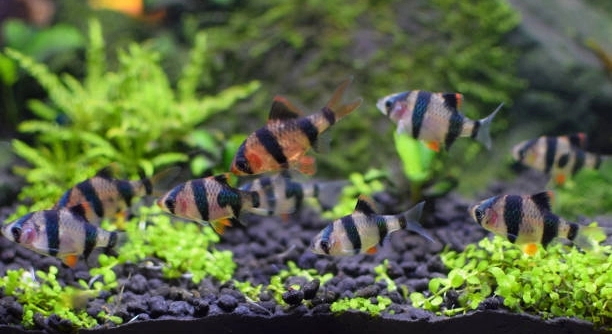
Do your tiger barbs often gather in the same corners of the tank, making you wonder if they’re competing for hiding spots?
Tiger barbs do compete for hiding spots, especially in tanks with limited shelter. Their semi-aggressive nature leads to territorial behavior, particularly among males. Providing enough cover can help reduce this competition and support a more balanced environment.
Exploring how tiger barbs interact with their surroundings can help you create a peaceful and stimulating habitat for your fish.
Why Tiger Barbs Compete for Hiding Spots
Tiger barbs are naturally active and social fish, but they can also be aggressive, especially in smaller tanks. This behavior becomes more noticeable when there are limited hiding places. In the wild, fish use hiding spots for safety and rest, and the same instinct applies in an aquarium. When several tiger barbs share a tank without enough shelters, they often chase or nip at each other to claim those spaces. This can lead to ongoing stress and injury. Hiding spots are not just for the timid—they’re essential for all fish to feel secure and to reduce aggression in the group.
A tank with too few hiding spaces increases tension. Competition rises, especially among dominant males, leading to fights or constant chasing.
Providing plenty of plants, caves, and decorations can help. When every fish has its own space, they feel safer and calmer. This can make the group behave more peacefully overall.
Creating a Balanced Habitat
Start by adding more plants and hiding areas. Spread them evenly throughout the tank to avoid crowding one side.
A well-balanced habitat begins with smart tank design. Use live or artificial plants, driftwood, and rock caves to create multiple hiding zones. These should vary in size and shape, giving each fish options. Choose decorations with smooth edges to avoid injury. A larger tank also helps reduce competition, as it allows more swimming and personal space. Make sure hiding places are placed at different heights and areas in the tank so that no single fish can dominate all of them. Observing your tiger barbs after making these changes will help you spot improvements. When each fish can claim a quiet spot, the overall aggression level tends to drop. Keep checking their behavior to see what works best and adjust as needed.
Signs of Competition Among Tiger Barbs
Chasing, nipping, and crowding around specific hiding spots are the most common signs. These behaviors often come from stress or dominance, especially when space is limited or the tank setup lacks enough shelter for the whole group.
When tiger barbs feel the need to compete, you’ll often notice them repeatedly chasing one another away from a favored spot. This can escalate quickly, leading to torn fins or signs of exhaustion in the more submissive fish. Some may hover near the top or bottom of the tank, avoiding others. These are signs of stress and discomfort. Watch for one or two fish becoming more aggressive than the rest—this usually means they’re claiming territory. You might also see fish repeatedly circling a single decoration or hiding area. These behaviors show that they are not just playing—they’re trying to secure space for themselves.
Monitoring your tank closely can help you understand the group’s dynamics. Each fish should be swimming freely without constant harassment or hiding for long periods. If one fish always controls a specific area, while others avoid it, it usually means the space has become territorial. Aggression might also increase during feeding times or when tank conditions change suddenly. Recognizing these signs early can help prevent long-term harm.
How to Reduce Aggression
Aggression often eases when tank size is increased and hiding spots are properly distributed. Balanced group sizes also help—keeping six or more tiger barbs usually spreads aggression more evenly.
A 20-gallon tank is the minimum for a small group, but larger tanks are better. Fill the space with plants, caves, and smooth decorations to reduce visual lines of sight and give fish places to rest. Don’t place all hiding spots in one area—spread them out so no single fish can dominate multiple zones. Keep group numbers even and avoid housing tiger barbs with long-finned or slow-moving tank mates. Maintain clean water, stable temperatures, and feed them small amounts of food two to three times a day. These small efforts make a noticeable difference. When each fish feels secure, the entire tank becomes calmer and more active in a healthy way.
Tank Mates and Territory
Choosing peaceful, fast-moving tank mates helps reduce tension. Avoid slow or long-finned species like bettas or angelfish, as tiger barbs may nip at them or compete for space more aggressively.
Fish like zebra danios or cherry barbs usually work well. They’re quick, active, and better at handling mild aggression without becoming stressed.
Feeding Habits and Stress
Feeding plays a role in tank behavior. Uneven feeding or long gaps between meals can cause fish to become more territorial or anxious. Offer small meals two or three times daily and spread food across different areas of the tank to prevent crowding. Using floating and sinking foods also helps ensure each fish gets a fair share. Watch how they behave during feeding—aggressive chasing or blocking others from food may signal deeper issues. A steady feeding schedule, combined with enough cover and swimming space, can lower competition. Balanced nutrition and routine support a calm tank and healthier tiger barbs overall.
Final Thoughts on Hiding Spots
Plenty of cover, balanced group sizes, and careful observation help create a more peaceful tank where all fish feel safe.
FAQ
Why do tiger barbs nip each other around hiding spots?
Tiger barbs are naturally semi-aggressive, especially males competing for dominance. Nipping near hiding spots happens when they try to control territory or push others away from preferred shelters. Limited hiding places increase this behavior, as fish feel more threatened and defensive over scarce resources.
How many tiger barbs should be kept together to reduce fighting?
Keeping at least six tiger barbs helps spread aggression evenly throughout the group. Smaller numbers can lead to one or two fish becoming overly dominant, increasing stress and competition over hiding spots. Larger groups create a balance that lowers tension.
What types of hiding spots are best for tiger barbs?
A mix of live or artificial plants, caves, and smooth rocks works well. Plants provide natural cover, while caves and decorations offer secure places to rest. Avoid sharp edges that could injure them during chasing or fighting. Multiple spots spread throughout the tank prevent territorial monopolies.
Can tank size affect competition for hiding spots?
Yes. Smaller tanks limit space and hiding areas, increasing competition and aggression. A minimum of 20 gallons is recommended for a small group, but larger tanks allow more territory and reduce stress. More space helps fish avoid constant contact and claim personal zones.
Do tiger barbs always compete for hiding spots, or only sometimes?
Competition usually depends on tank setup, group size, and individual temperament. When enough hiding spots and space are provided, aggressive behaviors tend to decrease. If conditions are crowded or lacking cover, fighting over spots is common, especially among males.
Will adding more hiding spots stop all aggression?
Adding more hiding places helps, but it may not eliminate all aggression. Tiger barbs have a natural tendency to establish dominance. However, providing sufficient cover and space greatly reduces stress and lowers the intensity of conflicts.
How can I tell if aggression is serious or just normal behavior?
Mild chasing and occasional nipping can be normal social behavior. Serious aggression shows signs like torn fins, constant chasing, or one fish being isolated and stressed. If injuries occur, or a fish hides all the time, it indicates a problem that needs attention.
Is it helpful to rearrange tank decorations to reduce fighting?
Yes. Rearranging decorations breaks established territories, forcing fish to reestablish boundaries and often reducing aggression temporarily. Changing the layout regularly can prevent long-term dominance and give shy fish better chances to access hiding spots.
Can feeding routine impact hiding spot competition?
Feeding evenly and regularly reduces stress and competition. When food is scarce or delivered unevenly, fish may become more aggressive while trying to secure resources. Spreading food around the tank and feeding small portions multiple times a day helps keep the peace.
Are there signs that a tiger barb feels safe in its hiding spot?
A relaxed fish will rest calmly inside or near its hiding spot without constant alertness or flaring fins. It will swim freely and not retreat quickly when others approach. Calm behavior around shelters shows the fish trusts its space is secure.
Can tank mates influence tiger barb aggression over hiding spots?
Yes. Peaceful, active tank mates that occupy different levels or areas of the tank help reduce competition. Aggressive or slow-moving species may increase stress and territorial fights. Choosing compatible companions helps maintain balance and fewer conflicts.
Is overcrowding the main cause of hiding spot competition?
Overcrowding significantly raises competition because space and resources become limited. Even with enough hiding spots, too many fish in a small tank cause stress and aggression. Proper stocking levels and sufficient space are essential for reducing territorial disputes.
What should I do if one fish is constantly bullying others?
If a single fish dominates or injures others, consider separating it temporarily or permanently. Increasing hiding places and tank size can help, but some individuals have more aggressive temperaments that require removal to protect the group’s wellbeing.
Does water quality affect hiding spot competition?
Poor water quality increases stress and can worsen aggressive behaviors. Maintaining clean, stable water conditions supports fish health and reduces tension. Regular water changes and monitoring parameters help keep your tiger barbs calm and less likely to fight.
Can stress from hiding spot competition cause illness?
Yes. Prolonged stress weakens immune systems and can lead to diseases like fin rot or infections. Reducing competition and providing a calm environment are important steps to keeping tiger barbs healthy.
How often should hiding spots be cleaned or replaced?
Cleaning hiding spots depends on the material—plants should be trimmed regularly, and decorations cleaned to prevent algae buildup. Replacing damaged or sharp decorations helps prevent injury. Regular maintenance keeps the tank safe and comfortable for all fish.
Tiger barbs naturally show competitive behavior, especially when it comes to claiming hiding spots in their tank. This is normal for their species and part of how they establish social order. However, competition can become harmful if the environment is crowded or lacks enough shelters for all the fish. Without enough places to retreat and feel safe, stress levels rise, leading to aggression that can result in injuries or illness. Creating a balanced environment with enough hiding spots and space is essential to reduce this tension and promote healthier behavior.
Providing a variety of hiding places throughout the tank helps distribute the fish more evenly and lowers territorial disputes. Plants, caves, and decorations offer different types of cover, allowing each tiger barb to find a spot where it feels secure. The key is to have enough hiding areas so no single fish can dominate multiple spaces. It’s also important to keep tank size in mind. Smaller tanks limit swimming room and shelters, increasing competition. Larger tanks allow fish to spread out and find personal zones. A well-maintained habitat with clean water and a consistent feeding schedule supports calmer fish and reduces the likelihood of fights.
Observing your tiger barbs regularly will help you notice early signs of competition or stress. Mild chasing is natural, but constant harassment or injuries require attention. Rearranging tank decorations can help break established territories and calm aggressive behavior. Choosing compatible tank mates that are active but peaceful further reduces tension. In some cases, separating overly aggressive fish may be necessary to protect others. Overall, managing hiding spots, space, and tank conditions creates a healthier, less stressful environment for tiger barbs, allowing them to thrive together peacefully.

Hello,
If you enjoy the content that we create, please consider saying a "Thank You!" by leaving a tip.
Every little bit helps us continue crafting quality advice that supports the health, happiness, and well-being of pets around the world, for pets of all shapes, sizes, and species.
We really appreciate the kindness and support that you show us!