
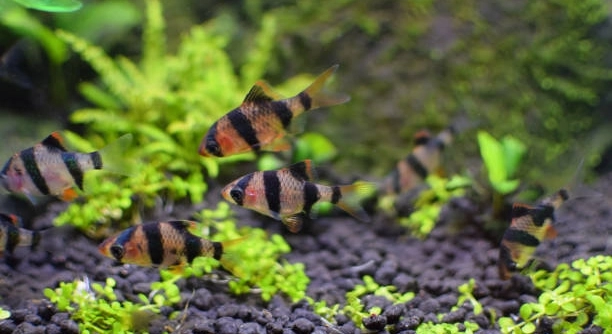
Tiger Barbs are lively and colorful freshwater fish popular in home aquariums. Their behavior changes during mating season, often becoming more noticeable and active around each other. Observing their interactions can reveal interesting patterns about their nature.
During mating season, Tiger Barbs do chase one another as part of their courtship behavior. This chasing is a natural, non-aggressive display aimed at attracting mates and establishing dominance among males. It is a key part of their reproductive process.
Understanding these behaviors helps aquarists create better environments for Tiger Barbs. Observing their natural habits can improve tank harmony and support healthy breeding conditions.
Why Do Tiger Barbs Chase During Mating Season?
Chasing is a common behavior among Tiger Barbs during mating season. Males pursue females to show interest and dominance, creating a dynamic that helps determine who will mate. This chasing is not meant to harm but to display strength and vitality. It’s a natural part of their reproductive cycle and helps establish social hierarchy. Observing this behavior can give insight into their breeding patterns and how to manage a tank during this time. Chasing may increase activity and sometimes cause minor stress in less dominant fish. It’s important to provide enough space and hiding spots to reduce aggression that can escalate beyond natural courtship. Proper care during this season supports healthy breeding and keeps the group balanced.
While chasing can seem intense, it generally doesn’t cause injury if the tank environment is suitable. Ensuring proper conditions helps maintain peace.
Breeders often separate males and females after mating to reduce prolonged chasing. This approach helps avoid stress and encourages successful spawning. Understanding these behaviors supports better aquarium management and healthier Tiger Barbs.
Managing Aggression During Mating
Aggression may increase but usually stays within natural limits.
It’s common for Tiger Barbs to show more aggression during mating season, mostly through chasing and occasional nipping. This behavior helps them compete for mates and is a sign of their readiness to breed. However, if aggression becomes too intense, it can harm weaker or less dominant fish. Managing the tank by increasing hiding spaces, adding plants, or providing visual barriers can reduce stress and keep aggression manageable. It’s also helpful to monitor fish closely and separate any overly aggressive individuals if necessary. Keeping a balanced ratio of males to females prevents excessive competition. Regular water changes and proper nutrition further support their well-being during this active period. By controlling aggression, the mating season becomes less stressful for everyone involved.
Signs of Mating Behavior in Tiger Barbs
Tiger Barbs become more active and show chasing behavior during mating. Males often display brighter colors to attract females. You may also notice fin flaring and increased swimming around the tank.
These signs help identify when Tiger Barbs are ready to breed. Chasing is the most common behavior, where males pursue females around the tank. Brightened coloration signals health and fertility, making males more appealing mates. Additionally, males may nudge females or gently bite their fins as part of the courtship ritual. Increased activity and restlessness are also common, as the fish prepare for spawning. Observing these behaviors allows for better timing if you plan to encourage breeding or manage tank dynamics.
Recognizing these behaviors early helps you provide a suitable environment. You can adjust tank conditions, such as temperature and lighting, to support successful mating. This preparation promotes healthier fish and more reliable breeding outcomes.
Creating a Safe Environment During Mating
Providing plenty of hiding spots reduces stress among Tiger Barbs during mating.
A tank with ample plants, caves, and decorations offers safe retreats for less dominant fish. This setup helps prevent chasing from turning into harmful aggression. Space is important too; overcrowding increases tension and fighting. Proper water quality also supports their health, making them less prone to stress. Regular monitoring is essential to spot any injuries or signs of excessive bullying. If aggression becomes severe, consider separating the most aggressive fish temporarily. Maintaining a balanced male-to-female ratio helps minimize competition and supports a peaceful mating environment. Overall, a well-structured tank promotes natural behavior without risking the fish’s safety or well-being.
Common Mistakes During Mating Season
Overcrowding a tank often leads to increased chasing and stress among Tiger Barbs. It is important to avoid adding too many fish in a small space.
Ignoring signs of excessive aggression can cause injuries and weaken the fish. Prompt action is necessary to keep the group healthy.
Feeding During Mating Season
Feeding high-quality, protein-rich food supports Tiger Barbs’ energy needs during mating season. They require more nutrition to maintain their activity levels and overall health. Offering a variety of foods such as live or frozen brine shrimp and bloodworms encourages natural feeding behaviors. Avoid overfeeding, which can pollute the water and lead to health problems. Maintaining a balanced diet improves the fish’s stamina and supports successful reproduction. Feeding smaller amounts multiple times a day helps meet their increased energy demands. Proper nutrition also enhances their coloration, making males more attractive to females.
When to Separate Aggressive Fish
Separating overly aggressive fish early prevents injuries and stress in the tank.
Do Tiger Barbs always chase during mating season?
Chasing is a typical behavior among Tiger Barbs in mating season, but it doesn’t happen all the time. Some males may chase more frequently, while others might be less aggressive. The intensity depends on the individual fish’s temperament, tank conditions, and the number of males present. When the environment is calm and there are enough hiding spots, chasing tends to be less constant and less stressful for the group.
Is chasing harmful to Tiger Barbs?
Chasing itself is a natural part of mating behavior and usually doesn’t cause harm. However, if chasing becomes excessive, especially in a crowded or poorly decorated tank, it can lead to stress or injury. Fin damage and scratches are common signs of too much aggression. Proper tank management and observation are necessary to ensure the chasing remains part of courtship, not bullying.
How can I tell if chasing is excessive?
Excessive chasing often leads to continuous harassment of one or a few fish, which may hide constantly or show signs of injury. Look for torn fins, faded colors, or lethargy in the chased fish. If chasing causes constant stress or physical harm, it’s time to intervene by adding hiding places, rearranging the tank, or temporarily separating aggressive individuals.
What is the best male-to-female ratio to reduce aggression?
A common recommendation is to keep at least two or three females per male. This ratio helps spread out the males’ attention and reduces intense competition. When males outnumber females, chasing and aggression increase, causing more stress. Balancing the numbers helps maintain social harmony and supports natural mating behavior without excess conflict.
Should I separate males and females after mating?
Separating males and females after spawning can reduce prolonged chasing and stress. Males tend to continue pursuing females even after fertilization, which can tire the females and lead to injuries. If you notice persistent harassment, temporarily moving the males or females to another tank can allow recovery and reduce tension.
How long does mating season last in Tiger Barbs?
Mating season can last several weeks, depending on environmental factors like temperature and lighting. During this time, chasing and courtship behaviors may be more frequent. Once spawning is complete and eggs are laid, chasing usually decreases as the fish focus on other activities. Proper tank conditions can help regulate this period.
Can tank size affect chasing behavior?
Yes, tank size plays a significant role in how chasing unfolds. Smaller tanks limit space, making it easier for males to corner females, increasing stress and aggression. Larger tanks provide more space to swim away and hide, reducing constant chasing. Adequate space combined with plants and decorations helps create a healthier environment during mating.
What tank conditions encourage successful breeding?
Stable water temperature between 75°F and 82°F, clean water, and good filtration are key. Moderate lighting that mimics natural day-night cycles supports breeding behavior. Providing plenty of plants and hiding places encourages natural spawning. Feeding a nutritious diet also improves the fish’s readiness to mate. Consistent maintenance helps avoid stress and keeps the fish healthy.
Do Tiger Barbs eat their own eggs?
Yes, Tiger Barbs are known to eat their eggs if left unattended. After spawning, it’s common for adults to hunt and consume the eggs as a natural instinct. For successful breeding, removing eggs to a separate tank or using a breeding trap is often necessary to protect them until they hatch.
How can I reduce aggression without separating fish?
Increasing the number of hiding spots and rearranging tank decorations can help. Visual barriers break lines of sight and reduce chasing intensity. Feeding multiple times a day ensures all fish get enough food, lowering competition. Keeping the male-to-female ratio balanced also helps prevent dominance struggles. These changes can calm aggression while keeping the group together.
Is chasing only related to mating?
While chasing peaks during mating season, Tiger Barbs may chase each other outside this period as well. It can be part of establishing social hierarchy or defending territory. However, chasing outside of mating is usually less intense. Understanding the context helps distinguish between normal social behavior and mating-related chasing.
What should I do if chasing leads to injuries?
First, isolate injured fish to allow healing and prevent further harm. Clean and treat any wounds promptly. Increase tank complexity with plants and hiding spots to give fish refuge. Review tank population to avoid overcrowding. In severe cases, separating aggressive individuals may be necessary to protect the health of the group.
Are there any signs that indicate successful mating?
Successful mating usually results in the female laying eggs on plants or substrate. You may notice males guarding the area briefly before leaving. Eggs appear as small, clear or slightly cloudy spheres, often sticky and attached to surfaces. Fry will hatch in a few days if eggs are fertilized and conditions are right.
Can temperature changes trigger mating behavior?
Yes, raising the water temperature slightly can encourage breeding behavior. A gradual increase by a few degrees signals seasonal changes similar to their natural habitat, stimulating spawning. It’s important to avoid sudden or extreme temperature shifts to prevent stress. Maintaining a stable, warm environment supports healthy mating activity.
How often do Tiger Barbs breed?
Tiger Barbs can breed multiple times a year if conditions are favorable. Their breeding frequency depends on water quality, temperature, diet, and stress levels. Consistent care and environment stability encourage repeated spawning, while poor conditions may delay or prevent breeding altogether.
Is it necessary to remove eggs from the tank?
Removing eggs increases survival rates since adults tend to eat them. Transferring eggs to a separate breeding tank or container with similar water conditions provides protection. This step helps hatch more fry safely and supports better control over their development.
What role do females play during chasing?
Females usually try to avoid males chasing them but also select mates based on strength and vigor. Their behavior influences which males succeed in mating. Females may hide or swim actively to test males’ persistence. This interaction helps ensure stronger genes pass on.
Can chasing cause permanent damage to Tiger Barbs?
If unchecked, intense chasing can cause fin tears, infections, and weakened health. However, with proper tank management and monitoring, such damage is usually avoidable. Early intervention and creating a balanced environment protect the fish from lasting harm.
Does chasing behavior change with age?
Younger Tiger Barbs tend to chase less aggressively. As they mature, chasing becomes more frequent and intense, especially among males. Older fish may also show reduced chasing if they become less dominant. Understanding age-related behavior helps in managing breeding groups.
Are there alternatives to chasing for courtship?
Chasing is the primary courtship behavior in Tiger Barbs. However, males also display brighter colors, flare fins, and swim in circular patterns to attract females. These visual and movement signals work alongside chasing to complete the mating ritual.
Tiger Barbs exhibit chasing behavior mainly as a natural part of their mating process. This chasing is a way for males to show interest and compete for females, helping establish who will breed. While it can look intense, it is usually not meant to cause harm but to demonstrate vitality and dominance. Providing a well-structured tank with enough space and hiding spots reduces the risk of chasing turning into aggressive bullying. Proper care during mating season supports the overall health of the fish and encourages successful reproduction.
It is important to recognize when chasing becomes excessive and causes stress or injury. Observing your fish closely during this time can help you spot any problems early. Balancing the number of males and females in the tank is a key step in reducing competition and minimizing harmful chasing. Making sure the water conditions are stable, feeding nutritious food, and providing plenty of shelter all contribute to a calmer environment. Sometimes, separating overly aggressive fish may be necessary to protect weaker individuals and maintain harmony in the tank.
Understanding the behavior of Tiger Barbs during mating helps aquarists manage their tanks more effectively. By offering the right environment and carefully monitoring interactions, it is possible to support natural breeding habits without causing harm to the fish. Paying attention to signs of stress or injury and adjusting tank conditions can make mating season smoother for both the fish and the keeper. Keeping these points in mind will ensure that Tiger Barbs remain healthy and active throughout their breeding cycle.

Hello,
If you enjoy the content that we create, please consider saying a "Thank You!" by leaving a tip.
Every little bit helps us continue crafting quality advice that supports the health, happiness, and well-being of pets around the world, for pets of all shapes, sizes, and species.
We really appreciate the kindness and support that you show us!