
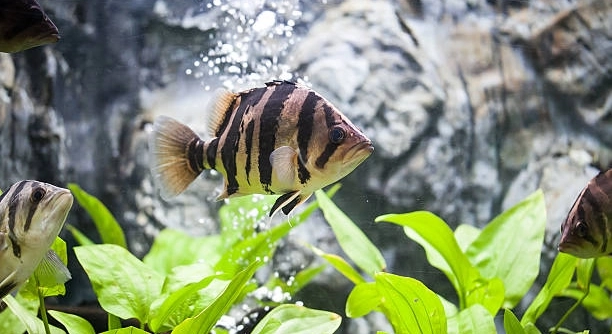
Do you have tiger barbs in your aquarium and wonder about their comfort with water movement? These lively fish come from streams with gentle currents, which influences how they behave in tanks. Knowing their needs helps create a better home for them.
Tiger barbs do care about water flow but prefer moderate currents that mimic their natural environment. Strong currents can stress them and affect their swimming, while very still water may reduce their activity levels and overall health.
Understanding the right water flow can improve your tiger barbs’ well-being and tank dynamics, making your aquarium a happier place for these energetic fish.
Natural Habitat and Water Flow Preferences
Tiger barbs come from fast-flowing streams in Southeast Asia, where the water is clear but not too strong. In these natural environments, currents provide oxygen and help keep the fish active. In an aquarium, replicating this moderate water movement is important. If the flow is too strong, tiger barbs may struggle to swim and become stressed. On the other hand, still water can make them less active and more prone to health problems. The right water flow encourages their natural behavior, like schooling and exploring. It also helps distribute food and maintain cleanliness. Many aquarists notice that their tiger barbs thrive with a gentle current created by filters or air pumps, which keeps the water moving without overwhelming the fish. This balance helps keep tiger barbs happy and healthy, supporting their lively and social nature in the tank.
Good water flow is essential for oxygen exchange and maintaining a healthy environment for tiger barbs in captivity.
Effects of Incorrect Water Flow
Too much water flow can tire tiger barbs and lead to injuries from constant fighting against the current. Their fins may get damaged, and they can become stressed, which lowers their immunity. This stress can make them more vulnerable to diseases like fin rot or infections. Fish with damaged fins might also avoid swimming, reducing their overall activity and social interaction. Conversely, water that is too still can cause waste buildup and lower oxygen levels, leading to poor water quality. Without enough movement, tiger barbs might become lethargic and lose their vibrant colors. Proper filtration and aeration help maintain a moderate flow that suits these fish well. Watching your tiger barbs’ behavior can give clues about whether the water flow is right. Healthy tiger barbs will swim actively, interact with tank mates, and show bright colors.
Moderate water flow is necessary to balance oxygen levels and fish health in an aquarium environment.
How to Adjust Water Flow for Tiger Barbs
Start by checking your filter’s flow rate. If it’s too strong, use a flow restrictor or adjust the filter output direction to soften the current. Adding plants or decorations can also break up strong water movement, creating calmer spots in the tank.
Positioning the filter outlet toward a tank corner or a surface can reduce direct flow on the fish. Plants and driftwood help disperse water movement naturally, giving tiger barbs places to rest. These adjustments make a big difference in how comfortable your fish feel, reducing stress and promoting healthy behavior.
Regularly monitor your tiger barbs’ activity to find the right balance. If they swim calmly and interact with each other, your flow is likely good. Sudden darting or hiding may mean the current is too strong, and you should make further adjustments to maintain their comfort.
Signs Your Tiger Barbs Are Uncomfortable with Flow
Tiger barbs showing stress from water flow might hide more or swim erratically. They could cling to decorations or tank corners to avoid the current. Fin damage and faded colors are also signs of discomfort related to strong flow. Over time, constant stress weakens their immune system, making them prone to illness. If you notice these signs, adjusting the water flow immediately helps prevent health problems and improves their quality of life. Proper flow encourages natural activity and social interaction among tiger barbs, so it’s important to watch how they respond in your aquarium.
Ideal Flow Rate for Tiger Barbs
Tiger barbs do best with a moderate flow rate, around 2 to 4 times the tank volume per hour. This ensures enough movement without causing stress.
A steady, gentle current helps oxygenate the water and encourages natural swimming patterns without tiring the fish out.
Choosing the Right Equipment
Using a filter with adjustable flow settings is key for managing water movement. Sponge filters or canister filters often allow easy control. Air stones can add gentle circulation without creating strong currents. Position equipment carefully to avoid direct blasts of water on tiger barbs. This helps maintain a comfortable environment that matches their natural habitat and keeps them healthy.
Importance of Regular Maintenance
Regular cleaning and filter checks keep the water flow consistent and the environment stable for tiger barbs.
FAQ
Do tiger barbs need strong water flow to stay healthy?
No, tiger barbs do not need strong water flow. They thrive best with moderate water movement that mimics their natural habitat. Strong currents can cause stress and make swimming difficult for them. A gentle, steady flow keeps the water oxygenated and encourages normal behavior without overwhelming the fish.
Can tiger barbs live in still water?
Tiger barbs can survive in still water, but it’s not ideal for their health. Still water tends to have lower oxygen levels and can accumulate waste quickly. This environment may cause the fish to become less active and increase their risk of illness. Moderate water flow improves oxygen exchange and helps maintain water quality.
How can I tell if my tiger barbs dislike the water flow?
Signs of discomfort include hiding, erratic swimming, clinging to decorations, faded colors, and damaged fins. If your tiger barbs seem stressed or avoid certain tank areas, the water flow might be too strong or uneven. Adjusting the filter or adding plants can help create calmer spots.
What type of filter is best for tiger barbs?
Filters with adjustable flow settings, like sponge filters or canister filters, are best. They allow control over water movement to keep it moderate and comfortable. Avoid filters that produce strong jets or currents. Positioning the filter outlet away from the main swimming areas also reduces stress.
Is it necessary to add plants to control water flow?
Adding plants and decorations is helpful for breaking up strong currents and creating calm zones. These provide shelter and resting spots for tiger barbs, which helps reduce stress. Plants also improve water quality by absorbing nutrients and oxygenating the tank.
How often should I check the water flow?
It’s good to check water flow regularly, especially after maintenance or adding new equipment. Observing your fish’s behavior is the best indicator. If they swim comfortably and interact naturally, the flow is appropriate. Sudden changes in behavior can mean the flow needs adjustment.
Can water flow affect breeding in tiger barbs?
Yes, water flow influences breeding behavior. Moderate flow creates a natural environment that encourages spawning. Strong currents can disrupt egg laying and fry development by washing away eggs or stressing the fish. Gentle water movement supports healthy breeding conditions.
Does tank size impact water flow needs?
Tank size affects how water flow should be managed. Smaller tanks may require lower flow rates to avoid strong currents, while larger tanks need more circulation to maintain water quality. Adjust equipment based on tank dimensions and fish behavior for the best results.
Can too much water flow cause injuries to tiger barbs?
Yes, constant strong flow can damage fins and cause physical stress. Injuries make fish vulnerable to infections and reduce their activity. Ensuring moderate, well-distributed water movement protects tiger barbs from these risks.
Are air stones helpful for managing flow?
Air stones create gentle bubbles that help circulate water and increase oxygen levels without creating strong currents. They are useful in calming water flow and providing a stable environment for tiger barbs, especially in smaller tanks or alongside filters.
Tiger barbs are lively fish that thrive best when their environment closely matches their natural habitat. Water flow plays an important role in keeping these fish healthy and comfortable. Moderate water movement helps keep the water oxygen-rich and encourages natural swimming and social behaviors. It also helps keep the tank clean by moving waste toward the filter. Too much water flow, however, can cause stress, damage fins, and make the fish hide or become less active. On the other hand, water that is too still can lower oxygen levels and cause poor water quality. Finding the right balance in water flow supports tiger barbs’ overall well-being and helps them live a longer, happier life.
Adjusting the water flow in your aquarium is easier than it sounds. Using a filter with adjustable flow settings is a great place to start. Positioning the filter outlet carefully and adding plants or decorations to break up the current can make a big difference. These simple steps create calm areas for your tiger barbs to rest and swim comfortably without being pushed around by strong currents. It’s also important to watch how your fish behave. Active swimming, clear colors, and regular interaction with other fish show they are happy with their environment. If you notice signs of stress, such as hiding or damaged fins, it’s time to adjust the flow. Regular maintenance and careful observation are key to keeping your aquarium balanced.
In the end, the best water flow for tiger barbs is one that feels natural to them. It should be strong enough to keep the water fresh but gentle enough to let them swim easily and enjoy their tank. By paying attention to their behavior and making small adjustments, you can create a comfortable home for your fish. This will not only improve their health but also make watching them more enjoyable. Taking care of water flow is one of the many ways to provide the best care for tiger barbs and help them thrive in your aquarium.

Hello,
If you enjoy the content that we create, please consider saying a "Thank You!" by leaving a tip.
Every little bit helps us continue crafting quality advice that supports the health, happiness, and well-being of pets around the world, for pets of all shapes, sizes, and species.
We really appreciate the kindness and support that you show us!