
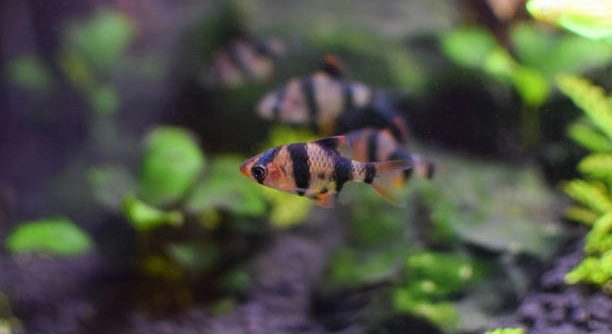
Tiger barbs are popular freshwater fish known for their vibrant colors and active behavior. Many fishkeepers enjoy keeping them in home aquariums. Understanding how tiger barbs interact with their environment helps create a better habitat for them.
Tiger barbs do show territorial behavior, especially among males. They establish and defend specific areas within the tank to reduce conflicts. This territoriality is more noticeable in smaller or crowded aquariums where space is limited.
Learning about tiger barbs’ territorial habits can help maintain peace in your aquarium. It also supports healthier interactions among your fish community over time.
Understanding Tiger Barbs’ Territorial Behavior
Tiger barbs tend to become territorial as they mature, especially males. This behavior is a natural way to establish dominance and secure space for feeding and breeding. In a tank with limited space, this territorial instinct can lead to increased aggression. Males often chase away other males to defend their chosen area, while females generally show less territorial behavior. Proper tank size and decorations, like plants and hiding spots, help break up sightlines and reduce conflicts. Keeping tiger barbs in groups of at least six can also minimize aggression by spreading out dominance challenges. Tankmates that are fast and similarly sized can coexist peacefully with tiger barbs if the environment is well managed. It’s important to observe their interactions closely, especially during feeding times, as competition can intensify. Understanding these patterns allows you to create a balanced aquarium where tiger barbs can thrive without constant stress.
Territorial behavior in tiger barbs varies depending on tank conditions and group size. Managing these factors limits aggression effectively.
A well-planned aquarium considers territory needs while promoting harmony. Appropriate space, hiding spots, and group dynamics help reduce conflicts. Monitoring behavior allows timely adjustments, such as rearranging decorations or separating overly aggressive fish. Balancing social structure ensures tiger barbs remain active and healthy without excessive stress from territorial disputes.
Signs of Territorial Aggression in Tiger Barbs
Aggression in tiger barbs usually shows through chasing, fin nipping, and frequent displays of dominance.
Tiger barbs may nip at each other’s fins or chase tankmates, especially if they feel crowded or threatened. This behavior often increases during feeding or breeding periods. Watching for signs like torn fins or constant hiding helps identify if aggression is a problem. Early intervention, such as adding more space or rearranging tank decorations, can reduce stress. Introducing more hiding spots gives subordinate fish places to escape. In some cases, separating the most aggressive individuals is necessary to protect the overall health of the group. Proper tank maintenance and consistent feeding routines also lower tension. Understanding these signs is crucial for maintaining a peaceful environment and ensuring the well-being of all fish in the aquarium.
Managing Territory Conflicts in Tiger Barbs
Territory conflicts among tiger barbs are common but manageable. Providing enough space and hiding places is essential to reduce tension and aggressive behavior.
Increasing tank size helps disperse fish and reduce competition. Adding plants, rocks, and decorations breaks up sightlines and creates multiple territories, allowing fish to claim smaller, less contested areas. Rearranging tank decorations periodically prevents fish from becoming too attached to one spot, lowering territorial disputes. Grouping tiger barbs in odd numbers of six or more spreads aggression more evenly, making it less intense. Avoid overcrowding, as tight spaces increase stress and fighting. Monitoring fish behavior regularly helps catch early signs of conflict before serious injuries occur. Using tank mates that can hold their own without provoking tiger barbs also helps maintain balance.
Keeping water quality high and feeding consistently supports calmer behavior. Stress from poor conditions often increases territorial aggression, so maintaining a stable environment is equally important.
Tank Setup Tips to Reduce Territorial Behavior
Providing a well-structured tank minimizes territorial aggression and promotes peaceful interactions among tiger barbs. Use plenty of live or artificial plants to create natural barriers. Plants reduce direct line of sight and provide hiding spots. Include rocks or driftwood to add vertical and horizontal complexity. These features allow fish to establish distinct territories and escape confrontations. Choose a tank large enough for at least 20 gallons for six or more tiger barbs. Larger tanks dilute territorial disputes and improve water quality, contributing to overall fish health. A varied substrate helps create natural hiding spots and supports plant growth. Avoid sharp decorations to prevent injury during fights. Regularly changing the tank layout discourages fish from defending the same territory too aggressively. Proper tank setup is critical for peaceful community living and healthier fish behavior.
Effects of Tank Size on Territorial Behavior
Smaller tanks tend to increase territorial aggression in tiger barbs. Limited space forces fish into closer contact, raising stress levels.
Larger tanks provide more room for each fish to establish its own space. This reduces conflict and encourages natural behavior, improving overall well-being.
Social Dynamics Among Tiger Barbs
Tiger barbs are schooling fish that feel more secure in groups. When kept in proper group sizes, social stress decreases and aggressive encounters lessen. Small groups or isolated individuals often display heightened territorial behavior as they compete for dominance. A group of six or more balances social structure, allowing weaker fish to avoid constant harassment. Proper social dynamics foster a peaceful aquarium environment and reduce injuries related to territorial disputes.
Tankmates That Help Reduce Aggression
Choosing compatible tankmates can calm territorial behavior in tiger barbs. Peaceful, fast-swimming species work best.
When to Separate Aggressive Tiger Barbs
Separation is necessary if aggression causes injury or persistent stress. Removing the most aggressive fish can restore balance and peace in the tank.
How aggressive are tiger barbs toward their tankmates?
Tiger barbs can be moderately aggressive, especially males. They tend to nip fins and chase other fish to establish dominance and defend their space. This behavior is more noticeable in smaller tanks or when the group size is too small. However, in a well-maintained aquarium with enough space and hiding spots, aggression can be kept under control. Keeping tiger barbs in groups of six or more helps distribute aggression evenly, reducing stress on any one fish.
Do tiger barbs need a large tank to avoid territorial disputes?
Yes, a larger tank helps minimize territorial conflicts by giving each fish more room to claim space. A tank of at least 20 gallons is recommended for a group of six tiger barbs. Larger tanks allow fish to swim freely and establish smaller territories without constant overlap, which reduces stress and fighting. Additional decorations like plants and rocks also create natural boundaries that help break up sightlines and provide hiding places.
Can tiger barbs live peacefully with other fish species?
Tiger barbs can coexist with certain tankmates if the environment is suitable. Compatible species are usually fast swimmers that can avoid the barbs’ occasional nipping. Good tankmates include danios, rasboras, and larger tetras. Avoid slow-moving or long-finned fish that might become targets. Proper tank size, enough hiding places, and group size for tiger barbs all help maintain peace between species.
What causes tiger barbs to become more territorial or aggressive?
Several factors can increase territorial behavior: overcrowding, insufficient hiding spots, small tank size, and competition for food. Stress from poor water quality or sudden changes in environment also triggers aggression. Males become more territorial during breeding periods as well. Managing these factors by providing space, enrichment, and stable conditions reduces aggressive tendencies.
How can I tell if territorial behavior is harming my tiger barbs?
Signs include torn or ragged fins, constant chasing, fish hiding excessively, and visible injuries. If one or more fish show signs of stress or physical damage, aggression might be too intense. Early detection allows for interventions such as rearranging the tank, increasing hiding spots, or separating aggressive fish to prevent serious harm.
Should I separate aggressive tiger barbs from the group?
Separation is recommended if aggression leads to injury or stress. Removing the most aggressive individuals helps restore calm in the tank. Use a separate quarantine tank or find another home for aggressive fish. After separation, monitor the remaining group closely to ensure harmony improves.
How does the number of tiger barbs affect their territorial behavior?
Keeping tiger barbs in small groups of fewer than six increases territorial aggression. In larger groups, aggression spreads across multiple fish, reducing the chance of bullying. Groups of six or more help maintain social balance, as fish can form shifting alliances and avoid constant confrontations.
Are female tiger barbs less territorial than males?
Generally, yes. Males display more dominant and territorial behavior, especially during breeding. Females tend to be less aggressive and more social. However, some females can also show mild territorial instincts depending on the tank setup and group dynamics.
Can rearranging the tank decorations help with territorial disputes?
Yes, regularly changing the layout breaks established territories and reduces aggression. New arrangements force fish to explore and create new spaces, which can prevent long-term conflicts. Adding plants, rocks, or driftwood provides more hiding spots and visual barriers, easing tension among tiger barbs.
Is feeding routine related to territorial behavior?
Yes, inconsistent feeding or competition for food can increase aggression. Feeding smaller amounts several times a day helps reduce competition. Using multiple feeding spots allows fish to eat without crowding, minimizing fights during meal times.
What role does water quality play in territorial behavior?
Poor water quality causes stress, which can heighten aggression and territorial disputes. Maintaining clean water with regular changes keeps fish healthy and calm. Stable temperature and pH levels are equally important in preventing stress-induced fighting.
Can stress from environmental changes increase territoriality?
Yes, sudden changes in temperature, lighting, or water parameters can cause stress, leading to more aggressive behavior. Keeping conditions stable and making gradual adjustments helps reduce stress and maintain peaceful relations.
Are there signs that tiger barbs are comfortable with their territories?
Comfortable tiger barbs swim actively, feed well, and interact with others without excessive chasing. They use hiding spots but do not constantly flee. Balanced territorial behavior means fish respect each other’s space without prolonged conflicts.
Does breeding affect territorial behavior?
During breeding, male tiger barbs become more territorial to protect spawning sites. Aggression may temporarily increase until breeding ends. Providing extra hiding places and separating breeding pairs can reduce stress in the community tank.
What should I do if aggression persists despite tank adjustments?
If aggression continues, consider reducing the number of tiger barbs or separating the most aggressive individuals. Reevaluate tank size, decoration, and group dynamics. Consulting an experienced aquarist or veterinarian may provide additional solutions to manage persistent aggression.
Tiger barbs are active and sometimes territorial fish that need proper care to thrive in an aquarium. Their territorial behavior is natural, especially among males, and can lead to some aggression if conditions are not ideal. Providing enough space, a suitable group size, and plenty of hiding spots helps reduce these conflicts. A well-planned tank environment is key to maintaining peace and ensuring the health of all fish. Paying attention to their behavior allows for timely adjustments to the tank setup, which supports a balanced community.
Tank size plays an important role in managing tiger barbs’ territorial instincts. Smaller tanks tend to increase stress and aggression, while larger tanks allow fish to spread out and claim their own spaces. Decorations such as plants, rocks, and driftwood are also helpful in breaking up the tank visually and providing places for fish to hide or rest. This reduces direct competition and lowers the chances of fighting. Keeping tiger barbs in groups of six or more spreads out aggression and improves social harmony. It is equally important to maintain good water quality and consistent feeding routines to prevent stress, which can worsen territorial behavior.
Understanding tiger barbs’ needs and behavior can make aquarium keeping more enjoyable. While they may show some territorial tendencies, careful management of their environment limits problems. Watching their interactions and responding to signs of aggression early helps protect the fish from harm. Choosing compatible tankmates and maintaining a balanced social group also contribute to a peaceful tank. Overall, a calm, healthy environment supports tiger barbs in displaying their natural behavior without unnecessary conflict, making them rewarding fish to care for.

Hello,
If you enjoy the content that we create, please consider saying a "Thank You!" by leaving a tip.
Every little bit helps us continue crafting quality advice that supports the health, happiness, and well-being of pets around the world, for pets of all shapes, sizes, and species.
We really appreciate the kindness and support that you show us!