
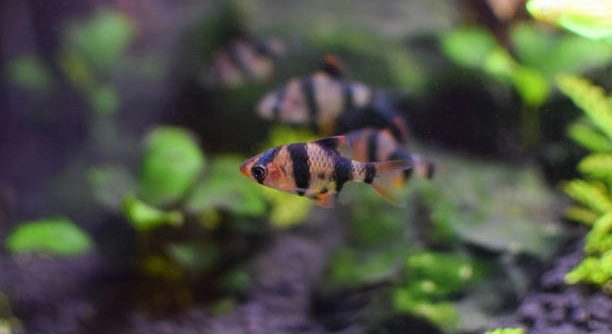
Tiger Barbs are popular aquarium fish known for their lively behavior and striking colors. Many aquarium owners wonder about their compatibility with other tankmates. Understanding their social preferences can help maintain a peaceful aquarium environment.
Tiger Barbs tend to avoid overly slow or long-finned fish due to their active and sometimes nippy nature. They prefer tankmates that can match their energy, avoiding species that might stress or be bullied by them.
Learning about these tendencies can help you create a balanced community tank that suits Tiger Barbs well. This article explores how their behavior influences tankmate choices.
Tiger Barbs’ Social Behavior in Community Tanks
Tiger Barbs are known for their active and sometimes aggressive behavior, especially when kept alone or in small groups. They naturally swim in schools and feel more secure when surrounded by others of their kind. Without enough companions, they may become more aggressive toward other fish. This behavior makes it important to keep them in groups of at least six. In community tanks, they tend to chase slower or long-finned fish, which can cause stress or injury to those tankmates. However, Tiger Barbs usually leave fast-swimming, equally active fish alone. Their energy levels and playfulness mean they need space to swim and explore, which affects how they interact with others. Proper tank size and compatible species help reduce aggression and promote a peaceful environment.
Tiger Barbs’ preference for schooling reduces stress and encourages natural behavior, making group size critical to their well-being.
When setting up a community tank, it’s best to include fish that can keep up with the Tiger Barbs’ activity. Species like danios, barbs, or certain tetras usually coexist well. Avoid delicate or slow-moving fish that can become targets. Providing hiding spots and plenty of plants can also ease tensions and offer refuge for more timid fish. Watching their interactions closely helps catch any signs of bullying early. A balanced community with careful selection keeps the tank healthy and enjoyable.
Tankmates Tiger Barbs Tend to Avoid
Tiger Barbs typically avoid fish that do not match their energy or are vulnerable to their nipping. Slow-moving species or those with long, flowing fins often become targets.
Fish such as bettas, angelfish, or fancy goldfish are usually poor tankmates. Their calm nature and delicate fins attract unwanted attention from Tiger Barbs. This can lead to constant harassment and stress for these fish. Even peaceful species that are less active may be chased. Tiger Barbs instinctively nip and chase smaller or slower fish, making it hard for them to settle together. Choosing tankmates with a similar swimming speed and temperament reduces conflict and improves harmony in the aquarium. Recognizing which fish to avoid helps create a safer environment for all tank inhabitants, preventing injuries and stress-related illness.
How Tank Size Affects Tiger Barbs’ Behavior
Tank size plays a major role in how Tiger Barbs interact with other fish. Smaller tanks limit swimming space and increase stress, which can lead to more aggressive behavior. Larger tanks allow them to spread out and reduce conflicts.
In a cramped environment, Tiger Barbs become more territorial and may nip at slower or weaker tankmates more often. A tank of at least 30 gallons is recommended for a school of six or more. This size provides enough room for swimming and hiding spots, which helps reduce tension. Overcrowding can increase stress for all fish, making aggressive behaviors worse. Proper filtration and regular maintenance also contribute to a healthier environment, which keeps Tiger Barbs calmer.
Providing enough space allows Tiger Barbs to swim naturally and reduces the chance of bullying. The right tank size is essential for a peaceful community setup and happier fish.
Feeding Habits and Their Impact on Tankmates
Tiger Barbs are omnivores with a fairly active appetite. They tend to be quick and sometimes pushy feeders, which can intimidate slower or shy fish during feeding time.
Because of their fast eating style, Tiger Barbs may outcompete more timid tankmates for food. This can lead to stress and malnutrition in other fish if feeding is not managed properly. Providing multiple feeding spots and varied food types helps ensure all fish get enough nutrition. It’s also helpful to feed smaller or more cautious fish separately at times. Balanced feeding reduces competition and keeps aggression lower. Understanding their feeding behavior is important for maintaining harmony and health in a mixed community tank. Observing feeding interactions closely can help adjust care and avoid problems.
Signs Tiger Barbs Are Avoiding Certain Tankmates
Tiger Barbs may swim away quickly or ignore slower fish to avoid conflict. They also tend to stay in groups rather than mixing with different species. This behavior shows their preference for certain tankmates.
Sometimes they chase or nip at tankmates they dislike, causing those fish to hide more. These actions help identify which fish Tiger Barbs avoid.
Effects of Stress on Tiger Barbs
Stress in Tiger Barbs can cause dull colors, loss of appetite, and erratic swimming. It often results from incompatible tankmates or overcrowding. Stress weakens their immune system, making them more vulnerable to disease. Addressing these issues early helps maintain their health.
Adjusting Tankmates to Reduce Conflict
Choosing active, similarly sized fish as tankmates lowers the chance of aggression. Avoid slow or long-finned fish that Tiger Barbs may nip. Offering plenty of hiding spots helps all fish feel safe and less stressed.
Importance of Hiding Spots for Peace
Hiding places give timid fish refuge from Tiger Barbs. Plants, rocks, and decorations create safe spaces and reduce tension in the tank.
Do Tiger Barbs get along with other fish?
Tiger Barbs can get along with many active and similarly sized fish. They do best with tankmates that match their swimming speed and temperament. Fish that are too slow or have long fins often become targets for nipping. Keeping Tiger Barbs in groups of six or more helps reduce aggression and encourages natural schooling behavior, which makes them less likely to bother other species. Proper tank size and environmental enrichment also support peaceful coexistence.
Why do Tiger Barbs nip at other fish?
Nipping is a natural behavior in Tiger Barbs, partly due to their energetic and curious nature. They may nip to establish dominance or to play. In some cases, stress, boredom, or lack of space causes more frequent nipping. Overcrowded tanks or incompatible tankmates often increase this behavior. Providing enough companions, hiding spots, and sufficient swimming space helps lower nipping incidents.
What tankmates should I avoid with Tiger Barbs?
Avoid slow-moving or long-finned fish like bettas, angelfish, and fancy goldfish. These fish often suffer from stress or injury due to Tiger Barbs’ nipping. Also, shy or delicate species don’t do well with Tiger Barbs. Choose similarly active, peaceful species such as danios, barbs, or certain tetras to ensure a harmonious tank environment.
How many Tiger Barbs should be kept together?
A group of six or more is ideal. Tiger Barbs are schooling fish, and keeping them in smaller numbers may cause them to become aggressive or stressed. Larger groups allow them to display natural behaviors, reduce bullying, and create a more balanced social dynamic. Group size also affects how they interact with other tankmates.
Does tank size affect Tiger Barbs’ aggression?
Yes, tank size greatly impacts aggression levels. Smaller tanks limit space and increase stress, which can lead to more aggressive behavior. A tank of at least 30 gallons for a group of six or more is recommended. Larger tanks offer more swimming room and hiding places, which reduce tension and promote natural schooling.
What kind of environment helps reduce stress in Tiger Barbs?
Providing plenty of plants, rocks, and hiding spots helps reduce stress by offering refuge and breaking sightlines between fish. Clean water, proper filtration, and stable water parameters also play a role. A spacious tank with appropriate lighting and temperature keeps Tiger Barbs healthy and calm.
How should I feed Tiger Barbs in a community tank?
Feed small amounts multiple times a day to avoid competition and stress during feeding. Use sinking pellets and flakes suitable for omnivores. Distribute food in different spots to ensure all fish eat. Occasionally supplement with live or frozen foods to boost nutrition. Observing feeding habits helps adjust care to keep all fish healthy.
Can Tiger Barbs live with shrimp or snails?
Tiger Barbs may nip at slow-moving shrimp or snails, especially if they are small or brightly colored. While some shrimp can coexist if there is plenty of cover, many snails might become targets. If you want to keep shrimp or snails, provide dense plants and hiding spaces to protect them.
What signs show Tiger Barbs are stressed?
Dull colors, hiding more than usual, loss of appetite, or erratic swimming can indicate stress. Stress may also lead to disease or weakened immune response. Early identification helps prevent serious problems by addressing water quality, tankmates, or environment changes.
How can I introduce new fish with Tiger Barbs?
Introduce new fish slowly and in groups to reduce aggression. Rearranging tank decorations before adding new fish can disrupt established territories. Monitor interactions closely during the first days. Feeding and providing hiding spots help new fish settle in and reduce stress for everyone.
Tiger Barbs are lively and colorful fish that bring energy to a community tank. Their natural behavior includes schooling and being quite active swimmers. Because of this, they tend to avoid tankmates that move too slowly or have long fins that can be easily nipped. It is important to understand their social nature to keep the tank peaceful. Keeping Tiger Barbs in groups of six or more helps them feel secure and reduces aggressive behavior. When their needs are met, they usually get along well with other fast-moving, similarly sized fish. Providing enough space, hiding spots, and proper care can make a big difference in how they interact with other fish.
Choosing the right tankmates for Tiger Barbs is crucial for a harmonious aquarium. Slow or delicate fish are not good companions because Tiger Barbs can become nippy and cause stress or injury to these fish. Instead, tankmates should be active, quick, and able to swim well. Danios, other barbs, and certain tetras often make good companions because they share similar behavior and energy levels. Additionally, keeping the tank clean and well-maintained helps prevent stress and illness. Feeding all fish properly and ensuring everyone gets enough food reduces competition and potential conflicts during mealtimes.
In summary, Tiger Barbs require a careful balance in their environment to thrive alongside other fish. They do best in spacious tanks with plenty of room to swim and plenty of plants or decorations to provide hiding spaces. A school of Tiger Barbs will behave more naturally and be less aggressive when they feel safe in numbers. Understanding their tendencies to avoid certain tankmates and recognizing signs of stress will help in managing a peaceful community aquarium. With proper attention to their behavior and tank setup, Tiger Barbs can be a colorful and enjoyable addition to your fish collection.

Hello,
If you enjoy the content that we create, please consider saying a "Thank You!" by leaving a tip.
Every little bit helps us continue crafting quality advice that supports the health, happiness, and well-being of pets around the world, for pets of all shapes, sizes, and species.
We really appreciate the kindness and support that you show us!