
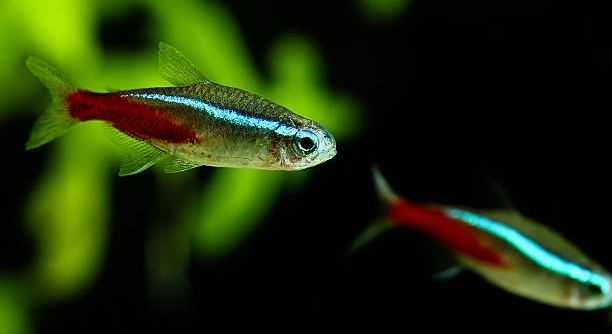
Do you ever notice how your tetra fish behave when the lights go out? Many fish owners wonder about their pet’s daily rhythms and whether these small swimmers really rest at night. Understanding their sleep habits can help in creating a better home environment.
Tetra fish do sleep at night, though their sleep is more like resting with reduced activity rather than deep sleep. They become less active and hover quietly, conserving energy while remaining alert to surroundings. This behavior is typical among many small freshwater fish species.
Knowing how tetras rest can improve your care routine and tank setup. Recognizing their natural patterns helps ensure your fish stay healthy and comfortable in their aquatic home.
How Tetras Sleep and Rest
Tetras don’t sleep like humans do. Instead of closing their eyes, they rest by slowing down their movements and staying near safe spots in the tank. Their activity decreases at night, which helps them save energy. During this time, their bodies recover and prepare for the next day. You might see them floating quietly near plants or decorations, blending in with their surroundings to feel safe. Even though their eyes stay open, their brain activity reduces, allowing them to rest without being fully unconscious. This light rest helps tetras stay alert to any changes in the environment or potential threats. It’s normal for them to be less active but still responsive to sounds or vibrations. Providing a calm environment with stable lighting helps tetras maintain this natural rhythm and supports their well-being.
Tetras need consistent light and dark periods to maintain their rest cycle. Too much light at night can disturb their resting behavior.
Creating a nighttime routine for your tank can help. Dim the lights gradually and avoid sudden changes. This encourages natural resting behavior, reducing stress and promoting healthy fish. Tetras appreciate a peaceful tank where they can relax and recharge every night.
Signs That Tetras Are Resting
When tetras are resting, they slow down but don’t stop moving completely. You may notice them hovering quietly near the bottom or hiding among plants. Their fins move gently, and they often stay still for long stretches. This calm state shows they are resting rather than being sick or stressed. Healthy tetras will respond to sudden tank changes but quickly return to resting. Watching these signs helps ensure your fish are comfortable in their environment.
Resting behavior varies by species and tank conditions, but all tetras need a safe space to feel secure.
If you see your tetras moving less during night hours, it means they are following their natural rest cycle. However, if they become too lethargic during the day or show other unusual signs, it may indicate a health problem. Providing a consistent schedule, good water quality, and enough hiding spots supports healthy rest. This routine helps tetras stay active and lively when awake. Observing their behavior regularly allows you to notice any changes early, ensuring your fish stay healthy and comfortable.
How Lighting Affects Tetra Sleep
Lighting plays a big role in how tetras rest. Bright or constant light can keep them active when they should be resting. Dim or natural light helps signal night time and encourages them to slow down.
Proper lighting mimics natural day and night cycles, which is important for tetras’ health. In their natural habitats, tetras experience gradual changes in light, so sudden or harsh lighting in tanks can confuse them. Keeping lights on a timer ensures they get enough darkness to rest properly. Too much light can cause stress and disrupt their sleep patterns, which may lead to health issues. It’s best to avoid leaving aquarium lights on overnight or near bright household lights. A gradual dimming effect before lights go off can help tetras transition into rest smoothly. This simple step supports their natural behavior and promotes a healthy environment.
Adjusting light levels also helps reduce aggressive behavior caused by overstimulation. Calm lighting supports peaceful resting and improves overall fish welfare. Tetras tend to be more relaxed and comfortable with a steady light schedule.
Creating a Rest-Friendly Tank Environment
Tank setup can impact how well tetras rest. Providing hiding spots like plants and decorations helps them feel safe and secure. These areas allow tetras to rest without feeling exposed or threatened.
Clear water and stable water conditions also encourage healthy rest. Poor water quality can stress fish and prevent them from resting properly. Maintaining the right temperature and pH keeps tetras comfortable. When fish feel secure and healthy, their natural rest cycle functions better. Avoid overcrowding the tank to reduce stress and competition for hiding places. Adding gentle water flow and quiet filtration minimizes disturbances. Creating a calm environment makes it easier for tetras to slow down and rest during night hours. Small changes in tank care can have a big impact on your fish’s well-being and rest quality.
Feeding and Tetra Activity
Feeding times can affect when tetras are most active. They usually eat during the day and become less active afterward. Avoid feeding them late at night to help maintain their natural rest schedule.
Overfeeding can cause tetras to be restless or unhealthy. Feeding small amounts during the day supports their energy needs and helps keep their activity balanced.
Common Resting Spots in the Tank
Tetras often rest near plants, rocks, or decorations that offer shelter. These spots provide safety and comfort, making it easier for them to relax. Observing where your tetras prefer to rest can help you arrange the tank better.
How Stress Impacts Sleep
Stress can disrupt tetras’ rest and overall health. Loud noises, sudden changes, or aggressive tank mates may keep them alert and prevent proper rest. Reducing stressors helps improve their sleep quality.
Signs of Poor Rest
Tetras that don’t rest well may appear restless or unusually active at night. Watch for these signs to adjust their environment and care.
How long do tetras sleep at night?
Tetras do not have a set sleep time like humans. Instead, they rest in short periods throughout the night, usually slowing down for several hours. Their rest depends on the tank’s lighting and environment. With a proper day-night cycle, tetras typically rest during the dark hours, which can last around 8 to 12 hours.
Their rest is light, so they remain alert to changes but still recover energy. Consistent tank conditions help tetras maintain this natural rhythm.
Do tetras need complete darkness to rest?
Complete darkness is not always necessary, but low light or dim conditions encourage better rest. Too much light at night can keep them active and stressed. Using a timer to create a regular dark period helps tetras settle down and rest well.
Some gentle ambient light may be fine, but avoiding bright or flashing lights during night hours is best.
Can tetras sleep during the day?
Tetras are mostly active during the day and rest at night, but they can take short naps during the day. These naps usually happen in quiet, shaded parts of the tank where they feel safe.
Daytime naps help tetras recharge, especially if their nighttime rest was disturbed. Providing plenty of hiding spots encourages these natural breaks.
What happens if tetras don’t get enough rest?
If tetras don’t rest enough, they may become stressed, weak, or more prone to illness. Lack of rest affects their immune system and behavior, leading to increased aggression or hiding.
Ensuring a stable environment with proper lighting and water quality helps prevent these problems and keeps tetras healthy.
How can I tell if my tetra is sleeping or sick?
Sleeping tetras slow down and hover quietly but respond to sudden movements or changes. Sick fish often stay still but don’t react and may show signs like clamped fins, discoloration, or rapid breathing.
Observing behavior over time helps distinguish rest from illness. If unsure, check water conditions and consider consulting a vet.
Do all tetra species have the same sleep habits?
Most tetra species share similar rest patterns, slowing activity at night and resting near shelter. However, some species may vary slightly in when and how long they rest based on their natural habitat.
Knowing your specific tetra type helps tailor care to their unique needs.
Is it okay to have aquarium lights on all night?
Keeping aquarium lights on all night is not recommended. Constant light disrupts tetras’ natural rest cycle and can cause stress. Use a timer to provide a regular light-dark schedule.
Proper lighting supports healthy behavior, growth, and rest.
Should I adjust feeding times to help tetra sleep?
Feeding during the day only is best. Avoid feeding right before lights go off or during night hours. This helps maintain their natural activity and rest patterns.
Smaller, frequent meals during the day meet their energy needs without causing restlessness.
How does tank noise affect tetra sleep?
Loud noises or vibrations can disturb resting tetras and increase stress. Keep the tank in a quiet area, away from heavy foot traffic or loud appliances.
Reducing noise helps fish feel safe and promotes better rest.
Can adding plants improve tetra sleep?
Yes, plants provide hiding spots and shade, helping tetras feel secure during rest. Live plants also improve water quality, contributing to a healthier environment.
More cover encourages natural resting behavior and reduces stress.
Is it normal for tetras to stay still for hours?
Yes, tetras often hover still for long periods while resting. This behavior is normal as long as they respond when disturbed and show no signs of illness.
Staying still helps conserve energy and signals they are resting peacefully.
What should I do if my tetras seem restless at night?
Check lighting, feeding schedule, and tank conditions first. Make sure the tank has dark periods and hiding spots. Reduce noise and sudden movements near the tank.
Adjusting these factors usually helps tetras settle down and rest properly.
Do tetras need a night light in the tank?
A night light is generally not needed and can interfere with rest. If you want to see your fish at night, use very dim lighting or a red light, which is less disturbing.
Avoid bright lights after dark to support natural sleep cycles.
Can tetras sleep together or do they prefer solitude?
Tetras often rest near each other for safety, but each fish finds its own favorite spot. Group resting is common, especially in peaceful tanks with enough space.
Providing enough hiding spots lets each tetra feel secure while resting in groups or alone.
How important is temperature for tetra rest?
Stable temperature within the ideal range (usually 72-78°F) helps tetras rest comfortably. Sudden drops or spikes can stress them and disrupt rest.
Use a reliable heater and thermometer to maintain steady temperatures.
Will changing the tank setup affect tetra sleep?
Yes, rearranging decorations or plants can stress tetras temporarily and affect their rest. Changes should be done gradually to let fish adapt.
Keeping a familiar environment supports consistent rest and reduces stress.
Tetras have simple yet important resting habits that help keep them healthy and active. Even though they don’t sleep like humans, their periods of quiet and reduced movement are essential for recharging. Resting allows tetras to conserve energy and maintain alertness in their environment. Providing a stable tank with proper lighting, clean water, and enough hiding spots supports these natural rhythms. When tetras feel safe and comfortable, they rest better, which contributes to their overall well-being.
Lighting is one of the most important factors in helping tetras rest well. A consistent day and night cycle signals to the fish when it is time to be active and when to rest. Too much light at night can confuse or stress them, making it harder for them to settle down. Using timers for aquarium lights helps mimic natural conditions and encourages regular rest periods. Along with lighting, tank setup also matters. Plants, rocks, and decorations offer places for tetras to hide and relax, which makes them feel secure. When fish are less stressed, they rest more deeply and maintain good health.
Understanding your tetras’ resting behavior can improve how you care for them. Paying attention to their activity levels and preferred resting spots helps you create a peaceful environment that meets their needs. Avoiding disturbances like loud noises, sudden changes, or overfeeding at night also supports proper rest. When tetras have a balanced routine and a calm tank, they are less likely to become stressed or sick. Overall, meeting these basic care requirements allows your tetras to live happily and stay healthy in your aquarium for a long time.

Hello,
If you enjoy the content that we create, please consider saying a "Thank You!" by leaving a tip.
Every little bit helps us continue crafting quality advice that supports the health, happiness, and well-being of pets around the world, for pets of all shapes, sizes, and species.
We really appreciate the kindness and support that you show us!