
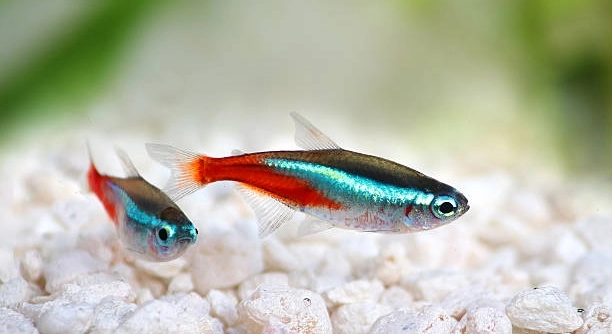
Do you have a tetra aquarium and wonder about the best way to keep your fish comfortable? Many fish owners consider adding bubblers to improve the tank environment. Understanding the needs of your tetra is important for a healthy setup.
Tetras do not strictly require bubblers, as they can thrive in well-maintained tanks with proper filtration and oxygen levels. However, bubblers can enhance oxygen circulation and water movement, benefiting both fish health and tank cleanliness when used appropriately.
Knowing when and how to use bubblers can help you create a better home for your tetras. This article will guide you through the essentials for their care and tank setup.
Why Tetras Can Live Without Bubblers
Tetras are small, hardy fish that adapt well to a variety of aquarium conditions. They naturally come from slow-moving rivers and streams where the water is calm but oxygen-rich. Because of this, they do not rely heavily on constant water agitation for oxygen. A properly maintained tank with good filtration and regular water changes usually provides enough oxygen for tetras. Bubblers can add extra oxygen and movement, but they are not essential. Overuse of bubblers can even stress the fish by creating too much current. In tanks with plenty of live plants, oxygen levels tend to be higher, making bubblers less necessary. It’s important to focus on water quality, temperature, and keeping the tank clean. These factors matter more for tetra health than having a bubbler running nonstop.
Bubblers are helpful in some cases but are generally optional for tetras. They work best when used moderately.
If you choose to add a bubbler, keep the flow gentle. Strong currents can tire out your tetras, who prefer calm water. Moderate bubbling helps oxygenate water and keeps it moving without disturbing your fish. Always observe how your fish react to bubbling and adjust accordingly. This ensures a balanced environment that supports their natural behavior. A bubbler combined with a reliable filter can create stable conditions, but bubblers alone won’t fix poor water quality. Regular tank maintenance remains key to keeping your tetras healthy and happy.
How Bubblers Improve Tank Conditions
Bubblers increase oxygen levels by promoting surface agitation, which helps oxygen enter the water. This is especially useful in tanks with many fish or minimal plants, where oxygen may be low. Bubblers also help circulate water, preventing stagnation that can lead to harmful bacteria buildup. They can aid filtration systems by moving debris toward the filter intake. For beginners, bubblers offer an easy way to improve water movement without complex equipment. However, they do consume electricity and may increase evaporation rates in the tank. Bubblers should be balanced with other tank needs and not relied on as a sole oxygen source.
Proper oxygenation supports fish metabolism and overall health. Bubblers help maintain consistent oxygen levels, especially in warmer tanks where oxygen naturally decreases. They also create a gentle current, simulating a natural environment and preventing the water from becoming too still. Using bubblers with care and attention can complement filtration systems and enhance water quality. Remember, a bubbler is just one tool among many to create the best home for your tetras. Consistent water changes, temperature control, and feeding habits remain crucial for their wellbeing.
When to Use Bubblers for Tetras
Bubblers are useful in tanks with poor oxygen levels or heavy fish stocking. They can also help in warmer water where oxygen drops faster.
In smaller tanks or those with limited surface area, oxygen exchange can be insufficient for tetras. Bubblers improve this by increasing surface agitation and oxygen flow. If you notice your fish gasping near the surface, it could signal low oxygen. Adding a bubbler or improving filtration helps in these cases. However, if your tank is well-maintained with live plants and proper filtration, bubblers may not be necessary.
Bubblers also assist in situations where power outages or equipment failures reduce oxygen. They provide extra support when filtration is compromised. In general, consider bubblers a helpful backup rather than a daily requirement. Adjust the strength of the bubbles to keep water movement gentle and avoid stressing your tetras.
Maintaining a Healthy Environment Without Bubblers
Many successful tetra owners run tanks without bubblers by focusing on water quality and filtration. Regular water changes and good filtration maintain oxygen levels naturally. Using live plants increases oxygen and helps remove toxins. Plants like Java moss or Anubias thrive in low light and add natural beauty while supporting water health. Keep the tank clean by removing uneaten food and waste. This prevents harmful ammonia buildup, which can reduce oxygen availability.
Careful monitoring of temperature and water parameters is key. Tetras prefer temperatures around 72-78°F, where oxygen stays more stable. Keeping the tank out of direct sunlight prevents overheating and excessive algae growth. Balancing feeding helps avoid excess waste. This approach creates a comfortable and safe habitat for your tetras without the need for bubblers. It’s a simple way to support their health and well-being naturally.
Choosing the Right Bubbler for Your Tank
Selecting a bubbler depends on tank size and fish needs. Small, gentle bubblers work best for tetra tanks, avoiding strong currents that stress fish.
Air stones and low-flow pumps create soft bubbles that oxygenate without disturbing the water too much. Avoid large bubble machines in small tanks.
Common Mistakes with Bubblers
Using a bubbler at full power can create strong currents that tire out tetras. Placing the bubbler too close to decorations or plants can reduce its effectiveness.
Regularly check and clean the bubbler equipment. Dirty air stones clog easily, lowering airflow and oxygen levels, which defeats their purpose.
Alternatives to Bubblers
Good filtration and live plants are great alternatives to bubblers. Filters keep water clean and oxygenated, while plants naturally boost oxygen and improve tank health.
Monitoring Your Tank’s Oxygen Levels
Keep an eye on your fish behavior for signs of low oxygen, such as gasping at the surface. Test water parameters regularly to ensure oxygen stays within safe levels.
FAQ
Do tetras need bubblers to survive?
Tetras do not need bubblers to survive if their tank is well-maintained. Proper filtration, regular water changes, and good oxygen levels usually provide enough air for them. Bubblers can help in tanks with poor oxygen circulation but are not essential in most setups.
Can bubblers stress my tetras?
Yes, bubblers can stress tetras if the water flow is too strong. Tetras prefer calm water and may become tired or hide if currents are too powerful. Use gentle bubblers or air stones and watch how your fish respond to the water movement.
Will a bubbler improve water quality?
A bubbler itself does not clean water but helps circulate it and increase oxygen levels. This circulation can prevent stagnant spots where waste accumulates, supporting filter efficiency. Good filtration and regular cleaning are still needed to maintain water quality.
Are bubblers necessary in planted tanks?
Bubblers are usually unnecessary in planted tanks because plants naturally add oxygen during photosynthesis. Live plants also improve water quality by absorbing nutrients that would otherwise fuel algae growth. In these cases, bubblers might only be needed in heavily stocked tanks or during emergencies.
How do I choose the right bubbler for my tetra tank?
Choose a bubbler with adjustable airflow and small air stones for gentle bubbles. Avoid large bubblers designed for bigger tanks, as they can create strong currents. The bubbler should provide enough movement without stressing your tetras or disturbing plants.
Can I run a bubbler 24/7?
Running a bubbler continuously is usually fine if it doesn’t create excessive water movement. However, constant bubbles can increase water evaporation and noise. It’s best to monitor your tank conditions and adjust the bubbler’s use based on your tank’s needs.
What are signs that my tank needs a bubbler?
If fish gasp at the surface frequently, or if you notice sluggish behavior, your tank might be low on oxygen. Algae blooms and unpleasant odors can also signal poor circulation. Adding a bubbler or improving filtration can help restore balance.
Can bubblers replace filters?
No, bubblers cannot replace filters. Filters remove waste, toxins, and debris, which bubblers do not do. Bubblers only add oxygen and circulate water. Both filtration and oxygenation are necessary for a healthy aquarium.
How do I maintain a bubbler?
Clean the air stones regularly to prevent clogging from mineral deposits or algae. Check tubing for cracks or blockages. Replace worn parts as needed. Proper maintenance ensures the bubbler works efficiently and lasts longer.
Will bubblers harm plants?
Bubblers generally do not harm plants if the bubbles are gentle. Strong currents might uproot delicate plants or disturb substrate. Position bubblers away from fragile plants to avoid damage and keep bubbles soft to maintain plant health.
Is a bubbler necessary in a community tank with tetras?
In a community tank, oxygen demand can be higher due to more fish. Bubblers can help maintain oxygen levels, especially in crowded or small tanks. However, a good filter and proper maintenance often provide enough oxygen without bubblers.
How does temperature affect oxygen needs?
Warmer water holds less oxygen, which can stress tetras if oxygen is low. In warm tanks, bubblers or increased surface agitation help maintain oxygen levels. Monitoring temperature and oxygen together is important for keeping tetras comfortable.
Are there alternatives to bubblers for oxygenation?
Yes, alternatives include strong filtration systems, powerheads that create surface movement, and live plants. These options can provide oxygenation and water circulation without adding bubbles. The best choice depends on your tank setup and fish needs.
Can I use a bubbler during tank cycling?
Using a bubbler during tank cycling can be helpful because beneficial bacteria need oxygen to grow. Increased oxygen from a bubbler supports bacteria development and speeds up the cycling process.
What type of air stones work best for tetra tanks?
Fine bubble air stones produce smaller bubbles that oxygenate water more efficiently and gently. They are preferred for tetra tanks to avoid stressing fish with large, fast bubbles. Ceramic or porous stone air stones usually work well.
Is noise from bubblers a concern?
Bubblers do make some noise, which can be bothersome in quiet rooms. Choosing quiet air pumps and placing equipment on soft surfaces reduces noise. Some air pumps are specifically designed for silent operation.
How do I know if the bubbler is working properly?
You can tell a bubbler is working by seeing a steady stream of bubbles coming from the air stone. If bubbles are irregular or weak, check the pump, tubing, and stone for blockages or damage. Proper airflow ensures oxygen levels are maintained.
Final thoughts are important when considering whether to use bubblers for your tetra tank. Tetras are adaptable fish that can live comfortably without bubblers if the tank is properly maintained. Key factors like clean water, good filtration, and appropriate temperature have a bigger impact on their health than adding a bubbler. Bubblers can be helpful tools to increase oxygen in certain situations but are not a strict requirement for most tetra aquariums.
Using a bubbler can improve water circulation and oxygen levels, which benefits fish health and tank cleanliness. However, too much water movement can cause stress to tetras, so it is important to choose gentle bubblers and monitor your fish closely. The bubbler should complement the filtration system rather than replace it. Over-reliance on bubblers without regular maintenance and water changes will not provide a healthy environment. Good care and attention to water quality remain the foundation of a successful tetra tank.
If you decide to use a bubbler, take time to select the right one for your tank size and fish needs. Small air stones or low-flow pumps work best for tetras because they create soft bubbles and gentle currents. Be sure to clean and maintain the bubbler equipment regularly to keep it working well. Remember, bubblers are just one part of aquarium care. Providing your tetras with a balanced diet, proper water parameters, and a calm environment will keep them healthy and happy over time.

Hello,
If you enjoy the content that we create, please consider saying a "Thank You!" by leaving a tip.
Every little bit helps us continue crafting quality advice that supports the health, happiness, and well-being of pets around the world, for pets of all shapes, sizes, and species.
We really appreciate the kindness and support that you show us!