
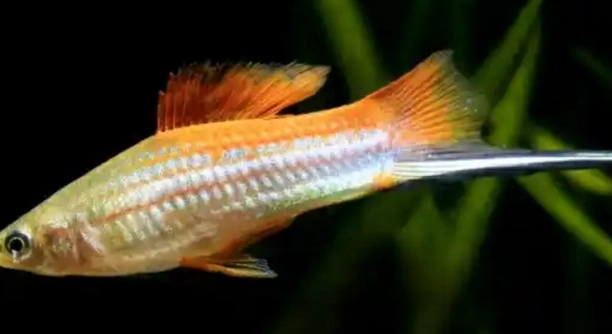
Have you ever found yourself watching your swordtails at night and wondering if they sleep like other aquarium fish do? Their nighttime behavior can seem mysterious and even a little different from the rest.
Swordtails do sleep like other fish, but their sleep is not the same as mammalian sleep. Instead, they enter a restful, low-activity state where they hover in place, often near the bottom or in plants.
Understanding how swordtails rest can help you create a more peaceful and supportive environment for them during nighttime hours.
How Swordtails Sleep Compared to Other Fish
Swordtails rest by hovering in place with minimal movement, usually near the bottom of the tank or among plants. Their eyes remain open because fish lack eyelids, but their activity level drops significantly. Like most freshwater fish, swordtails do not enter a deep sleep. Instead, they maintain a light resting state that allows them to stay alert to potential changes in their surroundings. This quiet behavior typically occurs during the night when lights are off, and the environment is calm. While their rest may not resemble sleep in humans, it still plays an important role in their health.
Swordtails do not lay down or close their eyes. Instead, they slow their movements and reduce their responsiveness to external stimuli.
Proper lighting and a peaceful setting at night help swordtails maintain this resting state. Avoid sudden tank disturbances or bright lights late at night to support their natural behavior and keep them stress-free.
What Affects Their Sleep?
Changes in lighting, tank mates, or water quality can disrupt your swordtail’s rest. These factors may lead to erratic swimming, hiding, or restlessness, which can affect their overall well-being.
Swordtails are sensitive to lighting schedules, and irregular light patterns may cause confusion in their day-night rhythm. Keeping your aquarium on a consistent light-dark cycle helps them maintain proper rest. Additionally, aggressive or overly active tank mates can disturb swordtails at night, making it hard for them to stay still. Choose peaceful species that match your swordtails’ temperament. Lastly, water quality directly impacts behavior. Poor conditions can lead to stress and overstimulation. Make sure ammonia and nitrite levels stay low, and maintain good filtration. Soft lighting during the evening can mimic a natural sunset, signaling it’s time to rest. Observing their nighttime behavior can tell you a lot—if they’re constantly darting around, something may need adjusting. A calm, healthy environment is essential.
Creating the Right Sleep Environment
Swordtails need a quiet and stable tank environment at night. Avoid loud noises, bright lights, and sudden water movement. A consistent schedule helps them understand when it’s time to rest, reducing stress and keeping their natural rhythms in balance.
Use a timer for aquarium lighting to maintain a clear day-night cycle. Aim for 10 to 12 hours of light daily and complete darkness or dim ambient lighting at night. Plants and hiding spots offer comfort and reduce stress, encouraging your swordtails to stay still and rest. Avoid turning lights on and off manually, as this may confuse their natural behavior. Keep filters and air stones running smoothly but avoid strong currents, especially during nighttime hours. Calm water encourages a more peaceful rest period. A consistent feeding schedule can also help reinforce routine and stability throughout the day.
Adding live or artificial plants helps mimic their natural habitat. These areas give them places to pause and rest safely during quiet hours. If you notice your swordtails constantly swimming at night or appearing stressed, check for bright lights or noisy equipment. Reduce disturbances around their tank, especially in the evening. The goal is to maintain a stable and calm atmosphere that supports their natural need for low-activity periods.
Sleep Behavior You Shouldn’t Ignore
Changes in your swordtail’s rest pattern might point to something off in the tank. If they stop resting or remain inactive during the day, that could signal a problem. Monitor their behavior consistently to spot any patterns early.
Fish that float near the top or sink to the bottom and stay there for long periods could be signaling poor water conditions or illness. A healthy swordtail rests without drifting or tipping sideways. Also, sudden bursts of nighttime activity, darting, or hiding more than usual could mean they feel unsafe or uncomfortable in their space. Double-check tank mates, lighting, and water quality to rule out environmental stress. Behavior that doesn’t improve after making small adjustments should be looked into more seriously. Look for signs like faded color, clamped fins, or refusal to eat. These clues, paired with disrupted sleep, often indicate deeper health or environmental concerns needing prompt attention.
Do Swordtails Nap During the Day?
Swordtails may take short breaks or slow down their movements during the day, especially after feeding. These brief pauses are not the same as their nighttime rest but help them conserve energy and feel safe.
If the tank is quiet and the lighting is soft, they might hover calmly or stay near plants. These short daytime rests are normal and shouldn’t be confused with lethargy or illness.
What to Watch For in a Resting Fish
A healthy swordtail remains upright and balanced during rest. If you notice tilting, labored breathing, or isolation for long periods, check the water conditions and tank environment first. These could be signs of stress or early health concerns.
Does Rest Impact Health?
Rest helps swordtails regulate stress and maintain strong immune systems. Disruptions to their sleep pattern may lead to behavioral changes, lowered appetite, or increased illness risk. A stable tank setup and routine support healthy rest habits every day.
FAQ
Do swordtails sleep in the same way as other fish?
Swordtails sleep similarly to other fish, though their sleep isn’t as obvious as mammalian sleep. They don’t close their eyes but reduce their activity levels. During sleep, they typically hover near the bottom or stay close to plants, in a state of low energy. The main difference is that they don’t go into a deep sleep but remain alert to potential threats.
How can I tell if my swordtail is resting or sick?
Swordtails at rest appear calm and still but maintain an upright position. If your swordtail is lying on its side, tilted, or not reacting to movement, it could indicate stress or illness. A healthy fish should still respond to food or changes in light. Long periods of inactivity without the usual behavior might be a sign of something wrong.
What is the best lighting for swordtails to sleep?
Swordtails thrive under a regular day-night cycle. Keep your aquarium light on for 10 to 12 hours a day. Afterward, turn it off to simulate nighttime, allowing them to rest. Avoid sudden changes in lighting, as it can disrupt their sleep and confuse their natural rhythms. Low, ambient light during the night is ideal if you need to keep the area lit for observation.
Should I adjust the water temperature for swordtail sleep?
Swordtails are most comfortable in water temperatures between 72°F and 82°F. Consistent water temperatures help them maintain regular sleep cycles. Extreme fluctuations in temperature can stress them and cause erratic behavior. During the night, the water temperature can remain stable, but any sudden drops or rises may disturb their rest.
Do swordtails sleep at specific times of the day?
Swordtails are more likely to rest during the night when the aquarium light is off. However, they may take short breaks throughout the day, especially after feeding. These breaks are not deep sleep, but rather periods of low activity to conserve energy. Swordtails do not follow a strict daytime sleep schedule, but they are typically less active in the dark.
Can swordtails sleep with other fish in the tank?
Swordtails can sleep peacefully with compatible tank mates, provided the tank environment is calm. Avoid keeping them with overly aggressive or active fish, as this can disturb their sleep. Peaceful species that won’t disrupt their rest, like other livebearers, make good tank companions. Keeping the environment stable and stress-free ensures swordtails get proper rest.
Is it normal for swordtails to hide while sleeping?
Swordtails may hide while sleeping, particularly if they feel threatened or stressed. Plants, rocks, and caves can provide them with the security they need to rest. If they are consistently hiding during rest times, ensure their tank setup is not too crowded, noisy, or disturbed by aggressive tank mates. Providing hiding spaces that mimic their natural environment can promote more restful sleep.
How does water quality affect swordtail sleep?
Water quality has a significant impact on swordtail health and their ability to rest. Poor water conditions, like high ammonia or nitrite levels, can stress swordtails, preventing them from resting properly. Keeping the water clean with regular water changes and proper filtration will help swordtails maintain good sleep patterns. Ensure that water parameters such as pH, hardness, and temperature are within their ideal range to support their well-being.
Can I overfeed my swordtail? How does this affect sleep?
Overfeeding swordtails can lead to digestive issues, which may disrupt their sleep patterns. If they are too full, they may become sluggish and spend more time inactive during the day. It’s important to feed swordtails an appropriate amount of food and remove any uneaten food promptly to maintain water quality. Proper feeding schedules support healthy rest and overall well-being.
What tank conditions are best for swordtails to sleep?
Swordtails prefer tanks with stable conditions and minimal disturbances. Soft lighting, good filtration, and appropriate temperature ranges are key factors. They also benefit from areas with plants or decorations that give them places to rest or hide. Keep the tank free from loud noises, sudden movements, or drastic changes in their environment to ensure they can sleep comfortably.
Do swordtails sleep in the same spot every night?
Swordtails don’t necessarily sleep in the same spot every night, but they do tend to favor certain areas of the tank where they feel secure. They may rest in the same general location, such as near the bottom or near plants, but the exact spot can vary based on their mood, water conditions, or the availability of hiding spaces.
What should I do if my swordtail is always awake at night?
If your swordtail remains active at night, check the tank for potential stress factors. Bright lights, sudden noise, or an overcrowded tank can keep them awake. Adjust the lighting schedule, reduce tank activity during nighttime, and check that the tank mates are compatible. A peaceful and consistent environment should encourage your swordtail to rest.
Are swordtails nocturnal or diurnal?
Swordtails are generally diurnal, meaning they are active during the day and rest at night. They may take brief periods of inactivity during the day, but they are primarily awake and swimming when the lights are on. Their nighttime rest is when they are less active, but they still remain alert.
How can I create a stress-free sleep environment for swordtails?
A stress-free sleep environment for swordtails involves maintaining stable water conditions, providing hiding spots, and controlling lighting. Use a timer for consistent light-dark cycles, keep the tank clean, and avoid sudden disturbances. Swordtails thrive in a calm, quiet tank, which allows them to rest and recover properly.
Do swordtails sleep differently in a community tank?
In a community tank, swordtails will still follow their natural sleep patterns, but they may be more cautious if they are sharing space with more active or aggressive fish. Providing plenty of plants or hiding spaces can help them feel safe while resting. The key is to ensure peaceful tank mates that won’t disturb their sleep.
How often should I check on my swordtail during the night?
It’s generally not necessary to check on your swordtail during the night unless you’re concerned about their behavior. Swordtails are nocturnal in nature, but they do not need constant monitoring. Checking once in a while for signs of distress is enough to ensure they’re resting comfortably.
Can swordtails be affected by changes in season?
Seasonal changes can affect swordtails’ behavior slightly, but they primarily respond to changes in light and temperature rather than the actual seasons. If you live in an area with distinct seasonal temperature shifts, make sure your aquarium temperature stays consistent to avoid disturbing their sleep patterns. Adjusting lighting to reflect the natural day-night cycle is also helpful during seasonal changes.
Final Thoughts
Swordtails, like most fish, have unique sleep patterns that are influenced by their environment. Understanding these patterns helps ensure they remain healthy and active. While swordtails do not sleep in the traditional sense, they do rest during the night and sometimes take breaks during the day. Their rest is often light and brief, unlike the deep sleep mammals experience. By providing a stable, peaceful environment with appropriate water conditions, lighting, and tank mates, you can help swordtails get the rest they need.
Maintaining proper tank conditions is essential for swordtails’ well-being. Water quality, temperature, and lighting play key roles in their sleep and activity levels. Swordtails do best in well-maintained tanks that mimic their natural environment. A calm, quiet environment helps reduce stress, promoting better rest. Keeping their tank clean, maintaining stable temperatures, and using a proper lighting schedule will encourage healthy sleep patterns and overall good health.
It’s important to observe your swordtails regularly to ensure they are behaving normally and getting enough rest. Any signs of unusual behavior, such as staying inactive for long periods, may indicate stress or illness. While swordtails are active during the day and take short breaks, they should not remain lethargic for extended times. With proper care and attention, swordtails can live a long and healthy life.

Hello,
If you enjoy the content that we create, please consider saying a "Thank You!" by leaving a tip.
Every little bit helps us continue crafting quality advice that supports the health, happiness, and well-being of pets around the world, for pets of all shapes, sizes, and species.
We really appreciate the kindness and support that you show us!