
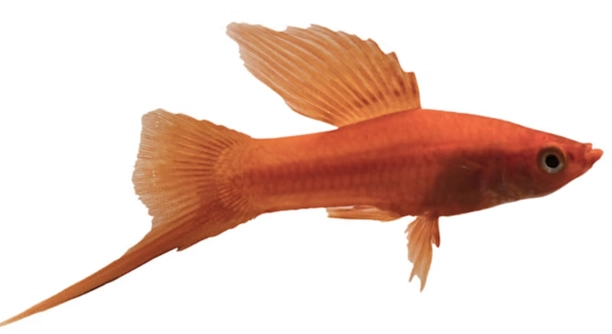
Swordtails are a popular fish among aquarists due to their vibrant colors and active behavior. Understanding their social dynamics, especially their display of dominance, is important for creating a healthy and balanced aquarium environment.
Swordtails exhibit dominance through various behaviors such as chasing, fin nipping, and aggressive posturing. Males often establish dominance over one another, particularly in situations involving limited resources or mating opportunities. These actions are part of natural territorial instincts.
Recognizing these behaviors can help ensure your aquarium remains peaceful, with each fish living harmoniously.
Swordtail Dominance in Males
Male swordtails are known for their competitive nature, especially when it comes to mating. They display dominance through aggressive behaviors like chasing and fin nipping, which helps them secure their position within the group. These actions are natural in the wild, where males compete for mates and territory. In an aquarium, this behavior can sometimes lead to stress if not managed properly. It’s essential to monitor the interactions between your swordtails to ensure the dominant fish doesn’t bully others, causing harm. Keeping the tank spacious and providing hiding spots can help minimize conflicts between males.
While male swordtails exhibit dominance, females are usually less involved in aggressive behaviors. They tend to be more passive, focusing on swimming and foraging. In a tank with multiple males, females may choose mates based on the strength and vigor shown by the dominant males. This natural selection process ensures that the strongest males pass on their genes, promoting healthy offspring.
Ensuring a balanced social structure in your tank is key to preventing dominance-related issues. If a dominant male is too aggressive, you may need to separate him to avoid stressing other fish.
Impact of Dominance on Female Swordtails
Female swordtails generally avoid aggressive interactions and are less likely to challenge males. Their behavior tends to be more passive.
While males assert dominance to secure mates, the females’ more peaceful nature ensures that the aquarium remains less chaotic. However, excessive dominance by males can cause stress in females, leading to health issues such as decreased breeding or loss of appetite. It’s important to provide plenty of hiding spaces for females to retreat to when necessary. These refuges allow them to feel safe and reduce stress. The right balance of male and female swordtails, combined with proper tank management, can lead to a harmonious aquarium where each fish feels secure.
Recognizing Dominant Behavior in Swordtails
Dominant swordtails often display behaviors like chasing, chasing others away from food, or establishing territory. These actions can be noticeable when resources are limited. Male swordtails show the most aggressive behavior, especially when competing for mates or establishing dominance over space. Keeping an eye on these interactions is key to ensuring a balanced environment.
If you notice one male consistently dominating the tank, it may be causing stress for other fish. While this is typical behavior, it can lead to harm or even injury over time. Keeping a more balanced male-to-female ratio can help reduce unnecessary aggression. The more space and hiding spots available, the less likely your swordtails will engage in disruptive behaviors. A well-planted tank with enough room can significantly ease the competitive instincts of dominant males.
Creating a tank environment that mimics their natural habitat, where they have room to move, helps reduce unnecessary stress and aggression. Dominance is a natural part of their behavior, but with proper attention, it can be minimized to ensure peaceful cohabitation.
Managing Aggression Between Swordtails
Aggressive swordtails can cause tension in your tank. It’s important to observe their interactions and make adjustments if needed. Ensuring there’s enough space and hiding spots will help reduce aggressive encounters. Sometimes, introducing more females than males can help prevent one male from claiming too much attention or space.
If aggression persists, consider separating the dominant fish temporarily. This gives the other fish time to recover from the stress and resets the power dynamic. Another strategy is to introduce a peaceful fish species alongside swordtails. Peaceful companions can distract the dominant fish and help reduce aggressive behavior. Keep an eye on the tank’s overall balance. Overcrowding or underfeeding can also lead to higher aggression levels. With the right management, swordtails can thrive in a peaceful and thriving aquarium environment.
Signs of Stress in Swordtails
When swordtails are stressed due to dominance issues, they may show signs such as reduced activity, fin clamping, or hiding more than usual. Stress can also affect their eating habits, leading to loss of appetite. These signs should not be ignored, as stress can lead to health problems.
If the dominant behavior becomes overwhelming, stressed swordtails may stop engaging in normal activities. The absence of interactions with other fish or hiding too much indicates a level of stress that could harm their overall health. Keeping your swordtails in an environment where they feel safe can prevent this.
Stress from dominance is preventable with the proper setup, including adequate hiding spots and maintaining the right fish ratio. The more comfortable your swordtails feel in their environment, the healthier and more active they will be.
Maintaining Balance in the Tank
Maintaining balance in the tank can keep swordtail dominance in check. A proper male-to-female ratio and enough space reduce the chances of one fish overwhelming the others. Ensure the tank is large enough to allow for natural movement.
A peaceful tank environment can help avoid territorial disputes. If aggression increases, rearranging decorations or adding more plants can help distract the dominant fish. Providing plenty of hiding spots allows fish to retreat when necessary. Avoid overcrowding to maintain harmony. With these steps, your swordtails can thrive in a balanced and calm environment.
Dealing with Overcrowding
Overcrowding swordtails can lead to increased aggression and stress. Fish require space to swim, and too many fish in a tank will raise competition for resources. It’s important to consider tank size and fish population.
When swordtails are crowded, their natural behaviors can escalate into harmful aggression. To avoid this, stick to a recommended fish-per-gallon ratio and allow enough room for each fish. You can also add plants or decorations to create natural boundaries, making it easier for swordtails to establish territories without conflict. Managing overcrowding promotes a healthier environment and reduces stress for all fish.
FAQ
Do swordtails show dominance over other fish species?
Swordtails can show dominance over other fish species, especially in smaller tanks or when resources are limited. They may chase or harass fish that are more passive or slower swimmers. This behavior is typically seen more in males, who are trying to assert their place in the tank. To prevent this, you can introduce peaceful species that won’t challenge the swordtails or create hiding spots where they can retreat from aggressive behavior.
How can I reduce aggressive behavior in swordtails?
To reduce aggression in swordtails, provide plenty of space and hiding spots within the tank. The more room they have, the less likely they will engage in aggressive behaviors. Additionally, having a higher number of females than males helps balance out the aggression, as males often become more territorial when they compete for mates. You can also adjust the tank’s layout by adding plants or rocks to create boundaries, which can reduce encounters between aggressive swordtails.
Can a dominant swordtail harm others in the tank?
Yes, a dominant swordtail can harm others in the tank if it becomes overly aggressive. This can include chasing, fin nipping, and stressing out weaker or smaller fish. If not addressed, this behavior could result in injury, especially in smaller or more peaceful species. Keep an eye on interactions and separate overly aggressive fish if necessary.
What should I do if a dominant swordtail is bullying others?
If a dominant swordtail is bullying others, you may need to separate the aggressor temporarily. This allows the other fish to recover from the stress. After some time, you can reintroduce the dominant swordtail, but if the behavior continues, consider removing the aggressor permanently or adjusting the tank environment. Increasing hiding spots and maintaining a proper male-to-female ratio will help prevent bullying in the future.
Do swordtails need a lot of space to show dominance?
Swordtails do benefit from having enough space to express natural dominance behaviors, like establishing territories. In a small tank, they might feel more stressed and territorial, which can lead to aggressive displays. A larger tank provides room for swordtails to stake out their space without interfering with others, reducing unnecessary aggression. Make sure your tank is large enough to accommodate the number of fish you have and provides places for them to hide and explore.
Are female swordtails less aggressive than males?
Yes, female swordtails are generally less aggressive than males. Females tend to be more passive and spend most of their time swimming peacefully and foraging for food. Males, on the other hand, are more territorial and often exhibit aggressive behavior, especially when competing for mates. Female swordtails are typically not involved in dominant behaviors and can coexist more peacefully with other fish.
How can I tell if my swordtails are stressed due to dominance?
If your swordtails are stressed due to dominance, you may notice changes in their behavior, such as hiding more often, clamped fins, or reduced activity. They might also refuse food or swim in isolated areas of the tank. Stress from dominance can weaken their immune system, making them more susceptible to diseases. If you see these signs, it’s essential to assess the tank environment and consider reducing stressors like aggressive tankmates or overcrowding.
Can swordtail aggression affect the health of other fish in the tank?
Yes, aggression from swordtails can affect the health of other fish in the tank. Constant bullying or chasing can stress out other fish, leading to a weakened immune system. This can make them more susceptible to illnesses and can even cause physical injury. To maintain a healthy tank, make sure all fish have enough space to feel secure and avoid aggression. If necessary, adjust the tank’s population and provide refuges for the more peaceful fish.
How do I maintain a healthy balance of swordtails in my tank?
Maintaining a healthy balance of swordtails in your tank starts with proper tank size, gender ratio, and the introduction of hiding spots. Aim for a higher number of females than males to prevent overcompetition between males. Providing plenty of plants or decorations helps swordtails establish their territories without being overly aggressive toward one another. Regularly check for signs of stress or aggression and adjust the environment as needed.
Is it necessary to separate swordtails that display dominance?
It is not always necessary to separate swordtails displaying dominance, as this behavior is natural. However, if one swordtail becomes excessively aggressive and harms others, it may be best to separate the dominant fish. Before taking drastic measures, consider rearranging the tank or increasing the number of hiding spots. If the aggression continues, separating the aggressor can help maintain a peaceful environment for the rest of the fish.
What are the best tankmates for swordtails?
The best tankmates for swordtails are peaceful species that won’t challenge their dominance or invade their space. Small schooling fish like neon tetras, rasboras, and guppies often coexist well with swordtails. Avoid aggressive or overly territorial species, as they can lead to conflict. Ensure there’s enough space in the tank for all species to thrive, and provide plenty of plants and hiding spots to reduce stress.
Can swordtail aggression be a sign of poor tank conditions?
Swordtail aggression can sometimes be a sign of poor tank conditions. Factors such as overcrowding, lack of hiding spots, or insufficient food can contribute to increased stress and aggression. Ensure the tank has proper filtration, temperature, and space for the swordtails to feel comfortable. Regular water changes and monitoring the tank’s conditions will help reduce aggressive behavior.
How can I prevent swordtails from fighting each other?
To prevent swordtails from fighting each other, ensure there is plenty of space and resources in the tank. A proper male-to-female ratio can also help reduce fighting, as males tend to compete for females. Adding plants, rocks, or decorations creates natural boundaries and can give swordtails places to establish their territories. If aggression continues, rearrange the tank’s layout or consider separating aggressive fish.
Do swordtails show dominance outside of breeding season?
Swordtails can show dominance at any time, but the behavior is often more noticeable during breeding season. Males may become more territorial and aggressive when competing for mates. Outside of breeding season, swordtails may still display dominance, but the intensity of the behavior usually decreases. Ensuring the tank has enough space and resources year-round will help reduce unnecessary aggression.
Final Thoughts
Swordtails are fascinating fish, and their behaviors, including dominance, are part of what makes them interesting to observe. Male swordtails, in particular, are known for being more territorial, especially when competing for mates. However, this doesn’t mean their behavior is always aggressive. In fact, much of what seems like aggression can simply be natural competition. Understanding this behavior is key to managing a peaceful tank environment. It’s also important to remember that swordtails, like many fish, need space, appropriate tankmates, and proper care to thrive.
When you see dominant behavior, it’s essential to evaluate the tank conditions. Ensuring there’s enough room for all fish to establish their territories, along with hiding spots to reduce stress, can help alleviate much of the aggression. A higher ratio of females to males is also recommended to reduce competition between males. These adjustments can make a significant difference in promoting a peaceful and healthy tank. In some cases, if aggression persists, separating the dominant fish might be necessary to prevent harm to others.
Overall, swordtail dominance is a natural part of their behavior, and with a few adjustments, you can create an environment where all your fish can live together peacefully. With careful monitoring of their social dynamics and ensuring their needs are met, swordtails can be a joy to keep. By staying aware of any signs of stress or aggression, you can manage their behavior effectively and keep your tank balanced. Whether you’re new to fishkeeping or an experienced hobbyist, understanding and managing swordtail dominance will contribute to the overall success of your aquarium.

Hello,
If you enjoy the content that we create, please consider saying a "Thank You!" by leaving a tip.
Every little bit helps us continue crafting quality advice that supports the health, happiness, and well-being of pets around the world, for pets of all shapes, sizes, and species.
We really appreciate the kindness and support that you show us!