
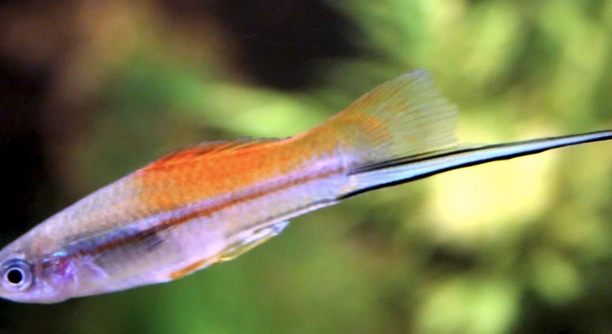
Have you ever looked into your fish tank and wondered if your swordtail recognizes you or just sees another moving shadow?
Swordtails do not have the complex memory or recognition abilities seen in some animals, but they can associate your presence with food and routine care through simple conditioning.
Learning how swordtails respond to regular human interaction helps in understanding their needs and improving their overall care.
Can Swordtails Form Any Kind of Bond with You?
Swordtails are simple fish with basic brains, so they don’t form emotional bonds like dogs or cats do. However, they can still react to patterns and become familiar with your presence. For example, they may swim to the top of the tank or approach the glass when they see you. This isn’t a sign of affection, but rather a response to routine. If you’re the one who feeds them regularly, they learn to connect you with food. Over time, they may seem more “interactive,” but it’s mainly conditioning. The repeated link between your movements and feeding time creates a habit. While it’s fun to imagine that they recognize you in a deeper way, it’s more likely that they’re just responding to timing and repetition. These reactions are still valuable, though. They help build a calm and predictable environment that swordtails tend to thrive in.
Swordtails benefit from regular interaction, even if it’s simple. Your presence means routine and care.
Building that connection takes time. Try to feed your swordtail at the same times every day. Approach the tank slowly and avoid sudden movements. Over time, you’ll notice that they begin to show up as soon as you enter the room. These signs of recognition are not proof of emotional bonding but show how well they’ve adapted to your routine. Consistency is key. Loud noises or irregular feeding schedules may confuse them, so keeping things predictable is the best way to help them feel secure. Using the same light cues and feeding signals also helps. While they won’t love you like a dog might, they’ll still show signs that they’re used to you and know when good things are coming. Observing these behaviors makes caring for them feel more rewarding. It’s a small way to build trust, even in a basic and instinct-driven fish like the swordtail.
What Swordtails Actually Remember
Swordtails remember what helps them survive. They don’t recall complex things, but they do remember patterns that matter, like feeding times.
These fish use a simple form of memory based on conditioning. This means they can remember when and where food usually comes from. If you always feed them near the same spot, they’ll start swimming there before you even drop the food in. They also react to visual cues like your shadow or movements near the tank. Some studies on similar fish types show they can remember these patterns for days or even weeks. That may not sound like much, but it’s enough for them to adjust their behavior. If you’re consistent, they’ll act in ways that make it feel like they recognize you. It’s more about habit than emotion, but it still shows that your care has an effect. In their own way, swordtails do remember what matters most to them.
How Swordtails Respond to Routine and Environment
Swordtails respond best to routine and a stable environment. They rely on predictable patterns to feel safe and act normally. Sudden changes can make them anxious or cause hiding.
Keep things simple for them. Feed at the same time each day and avoid moving tank decorations too often. Even small changes, like turning on the tank light suddenly or tapping on the glass, can disrupt their comfort. Over time, they begin to expect specific actions, like the lid lifting before feeding. This shows they’ve learned what happens regularly in their space. Maintaining water quality and temperature is also part of that routine. These small, repeated patterns are what shape how your swordtail behaves. While they don’t understand everything happening around them, they react to what they know. Routine helps them stay calm and gives you a chance to notice changes in behavior early.
The tank setup also plays a role in how they respond. A well-planted tank with hiding spots makes swordtails feel secure. When they feel safe, they’re more likely to come out and explore. If your swordtail is hiding all the time or seems stressed, it might be reacting to something in the environment. Too much noise, strong currents, or poor water conditions can cause them to act differently. Even nearby movements outside the tank, like footsteps or pets, can affect their comfort level. Observing how they respond to everyday activity helps you adjust things. When your swordtail acts curious and active, it’s a good sign you’ve created a comfortable setup. Over time, they’ll start showing small habits that match your own, like waiting for food or following your hand across the tank. These actions may seem small, but they mean your fish is learning and adapting in its own simple way.
Why Swordtails React to People
Swordtails connect your movements with feeding and care. If you’re consistent, they notice and begin reacting. This response isn’t personal recognition—it’s repetition. You become part of their daily pattern, and their behavior shifts based on how predictable you are.
Their reactions depend a lot on repetition. When you approach the tank around feeding time, they begin associating your shadow or steps with food. Over time, they may even swim up to the glass as you enter the room. They aren’t excited to see you specifically, but they’ve linked your presence with something positive. This doesn’t mean they remember your face or recognize you in a deep way. They just notice patterns. Other actions, like cleaning the tank or adjusting equipment, can also trigger a response. Swordtails are not showing affection—they’re showing learned behavior. But it still feels rewarding to see them respond to the care and attention you give each day.
What Swordtails Recognize Over Time
Swordtails recognize routine actions like feeding, light changes, and movement near the tank. They don’t understand what these actions mean, but they learn what usually comes next. This basic recognition helps them feel secure and behave more actively in their environment.
They can also recognize specific sounds, like the lid opening or the filter turning off briefly before feeding. These small cues become part of their daily pattern. Even though they don’t know the reason behind them, they respond in ways that seem familiar and predictable.
How to Encourage Positive Behavior
If you want your swordtail to respond more to you, stick to a regular feeding schedule and avoid loud noises or sudden changes. Use the same signals before feeding, like gently tapping the lid or opening it slowly. These little habits help the fish feel safe and create a simple sense of routine. Over time, the swordtail will likely start coming to the surface or swimming to the front of the tank when it sees you. The key is consistency. The more predictable your actions are, the easier it is for your fish to learn and react in a calm way.
What This Means for Owners
Understanding these small responses makes caring for swordtails more enjoyable. Their reactions show they’re adapting and feeling safe in your care.
Do Swordtails Have Good Memory?
Swordtails do have memory, but it’s limited and based on patterns rather than complex thought. They can remember certain cues, like feeding times or specific actions, for short periods, typically from a few hours to a few days. Their memory isn’t as advanced as animals like dogs or even some other fish species, which means they don’t form lasting bonds or recognize you in the way a pet might. Their memory is mostly tied to survival instincts, such as knowing when food is coming or where to find shelter. Once the routine changes, they may need some time to adjust to new patterns, but they will quickly adapt if things become consistent again.
Can Swordtails Recognize Their Owners?
Swordtails don’t actually recognize their owners in a personal or emotional way. What they do recognize are patterns and routines. If you feed them at the same time each day, they may begin to swim to the surface or approach the glass when they see you, but it’s not because they know who you are. They’re simply responding to the expectation of food or attention. They associate your movements with something positive but don’t have the ability to form connections or bonds like more intelligent animals. Swordtails can react to what they have learned, but their “recognition” is purely based on habit and association.
How Do Swordtails Show They Are Comfortable with You?
Swordtails may not show affection, but they do show comfort through their behavior. If your swordtail swims freely around the tank, explores its surroundings, and doesn’t hide when you approach, it’s a sign they feel safe in their environment. When swordtails are comfortable, they tend to display active behaviors like swimming near the surface or following your hand movements in the tank. If your fish has settled into a regular feeding schedule and is comfortable with the sounds and movements around the tank, it is a positive indicator that it recognizes a secure, predictable environment.
Do Swordtails Like Interacting with Their Owners?
Swordtails are not particularly interested in interacting with humans in the way some other pets do. They do, however, react to regular human actions, especially if they associate you with feeding. Swordtails will often approach the glass or swim to the surface when they see or hear you because they expect food. But this isn’t a sign of affection; it’s more about food anticipation. They don’t need or seek human interaction for companionship or social bonding. They are generally more focused on their environment and food sources rather than forming personal connections.
Can Swordtails Remember Their Tankmates?
Swordtails are social fish and tend to interact with other fish in their tank. While they may not remember individual tankmates with the same depth as humans or more intelligent animals, they can recognize other fish through daily interactions. They can learn to associate other fish with specific areas of the tank, such as a favorite hiding spot or feeding zone. Swordtails may display territorial behavior if they feel crowded or threatened by other fish, but this is more of an instinctive response than a true recognition of individuals.
How Do I Know If My Swordtail Recognizes Me?
Your swordtail likely doesn’t recognize you on a personal level, but it can associate you with feeding and care. If your swordtail swims up to the surface or to the front of the tank when you approach, it’s a sign they’ve learned to expect food or attention. These reactions are based on conditioned behavior rather than emotional recognition. If you vary your actions or change feeding times, it might take a few days for them to adjust. Regular, predictable behavior is the best way to “build trust,” even if it’s just the result of learned patterns.
Why Do Swordtails Swim to the Top When I Approach?
Swordtails swim to the top of the tank when you approach because they’ve learned to associate your presence with feeding time. This is a response to the regular pattern of food being provided by you. When swordtails see you, they expect food or attention, so they swim to the top, ready for a meal. This behavior is not based on emotional bonding, but it’s a clear sign they recognize a pattern and have learned to react accordingly. If you’re consistent with feeding times and actions, they’ll continue to expect this routine.
How Can I Build a Better Connection with My Swordtail?
To build a better connection with your swordtail, consistency is key. Stick to a regular feeding schedule and try to be as predictable as possible when interacting with them. Over time, they’ll begin to associate your actions with food or care, which can help them feel more comfortable and secure. Make sure their tank environment is stable—avoid sudden changes to water conditions, tank decorations, or lighting. Swordtails thrive on predictability, and the more they feel secure in their environment, the more likely they are to display active and calm behaviors around you.
Do Swordtails Feel Stressed by Their Owners?
Swordtails can feel stressed if their environment is unpredictable or if they’re exposed to sudden changes, such as loud noises, a change in water conditions, or unfamiliar movements around the tank. While they don’t “feel” stress the way humans do, their behavior will show signs of discomfort. If your swordtail is hiding more than usual, swimming erratically, or showing signs of agitation, it might be stressed by factors in its environment. Regularly monitoring the water quality, temperature, and light schedule can help reduce stress and create a more comfortable space for them. Keeping things predictable will make your swordtail more relaxed.
Can Swordtails Get Bored?
Swordtails can experience boredom, especially if their environment is dull or lacks stimulation. These fish are active and enjoy exploring their surroundings, so a tank with hiding spots, plants, and room to swim can help keep them engaged. Without any form of stimulation, they may seem less active or more withdrawn. Changing things up occasionally, like adding new plants or decorations, can help keep them interested. Swordtails also appreciate social interaction with other fish, so a tank with other compatible species will help prevent boredom. However, be mindful of tank size and population to avoid overcrowding.
Do Swordtails Get Attached to Other Fish?
Swordtails are social fish and do form loose bonds with other tankmates, but their attachment is more about companionship than emotional bonding. They can get along with other fish in the tank, and sometimes even prefer to swim in small groups, especially with other swordtails. However, this social behavior is driven more by instincts and safety than personal attachment. Swordtails don’t have the cognitive ability to form strong emotional connections like mammals do, so any “attachment” they seem to have is more about familiarity and comfort in their group than a deep bond.
In conclusion, swordtails are simple yet fascinating creatures that respond to routine and consistency. They don’t form emotional bonds or recognize their owners in the same way more intelligent animals do, but they can learn to associate specific actions, like feeding time, with certain patterns. This recognition is based more on habit and conditioning rather than personal attachment. While they don’t remember you or their tankmates on a deep level, they do respond to the environment and routines that you provide. These patterns create a sense of security for your swordtail, making them feel more comfortable in their environment.
It’s important to understand that swordtails thrive in stable, predictable conditions. They don’t need interaction or attention the way other pets might, but they do need a consistent environment to feel safe. Feeding them at the same time each day, keeping the water quality stable, and maintaining a peaceful tank will help them adjust and become more comfortable with their surroundings. Swordtails are quick learners when it comes to recognizing patterns, but they’re not emotionally attached to their owners. Instead, they react to the cues they associate with food, care, and safety.
While swordtails might not show affection like dogs or cats, they do communicate through their behavior. Their actions, such as swimming to the top of the tank or approaching the glass when you are near, indicate that they have learned to expect something positive from you. This can be rewarding for owners who enjoy observing their fish adapt to the routines they set. Ultimately, the more consistent and predictable you are with their care, the more likely your swordtail will respond in a way that feels familiar, comfortable, and even interactive. Understanding their needs and behaviors will help ensure that they remain healthy and content in your care.

Hello,
If you enjoy the content that we create, please consider saying a "Thank You!" by leaving a tip.
Every little bit helps us continue crafting quality advice that supports the health, happiness, and well-being of pets around the world, for pets of all shapes, sizes, and species.
We really appreciate the kindness and support that you show us!