
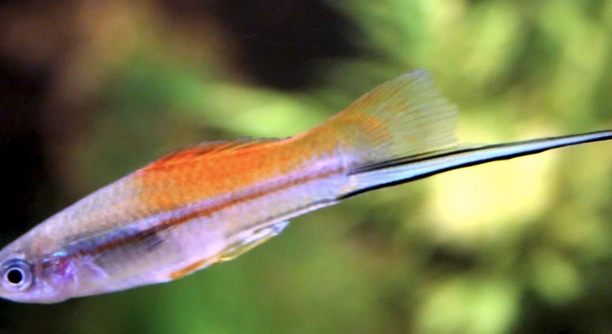
Have you ever noticed your swordtail fish staring at the tank glass and wondered what they might be reacting to or seeing?
Swordtails do not appear to recognize their reflections as themselves. Instead, they often react as if the reflection is another fish, displaying social or territorial behavior in response to the mirrored image.
Understanding how swordtails interact with reflections can help improve their tank environment and reduce unnecessary stress caused by their own mirrored image.
Why Swordtails React to Their Reflections
Swordtails react to their reflections because they mistake them for other fish. When they see movement in the glass, it triggers territorial or social responses. This is common in many fish species that rely on visual cues to navigate their environment. Swordtails may display behaviors like flaring fins, chasing, or swimming rapidly toward the glass. These reactions are often short-lived, but they can repeat frequently, especially if the lighting and tank placement create constant reflections. While it might seem entertaining at first, repeated exposure to reflections can cause stress or overstimulation. The fish believes it’s dealing with an intruder and may try to defend its space. Unlike animals that can recognize themselves, swordtails lack the cognitive ability for self-recognition, which is typically tested using the mirror test. Recognizing the difference between social behavior and stress-induced responses is important when observing this kind of activity in your tank.
Some swordtails will eventually ignore their reflection, while others remain reactive depending on temperament and environment.
Observing their behavior closely helps you decide if adjustments are needed to reduce stress. Moving the tank, changing the lighting, or adjusting background materials can lessen unwanted reflections. These simple changes help improve your swordtail’s comfort and reduce unnecessary energy spent on mirror-like distractions.
How to Minimize Reflection Stress
If your swordtail seems agitated, it may be reacting to reflections it can’t escape or understand.
To reduce these stress responses, start by looking at the tank’s lighting. Light bouncing off the glass can create persistent mirror-like surfaces that confuse the fish. Avoid placing the tank near direct sunlight or under bright room lights that hit the glass at sharp angles. You can also add a background to the tank or place plants and decorations along the edges to break up reflective surfaces. Rearranging the tank layout or adjusting the angle of overhead lights can help reduce repeated flare-ups of aggressive behavior. If you notice a swordtail spending long periods near one section of the glass, especially with agitated movements, that area is likely creating a strong reflection. Monitoring their behavior after each change helps you know what works best. Minimizing reflective stress supports your fish’s long-term health and helps create a more peaceful tank environment.
What Reflection Behavior Might Look Like
Swordtails may swim quickly toward the glass, flare their fins, or stay fixed in front of one spot. These actions usually repeat several times a day, especially when light conditions make reflections more visible in the tank.
You might notice your swordtail becoming more active or aggressive when facing its reflection. Some will try to “chase” the image, bump into the glass, or swim back and forth near the same area. Others might flare their gills or raise their dorsal fins in a defensive stance. This can happen for a few minutes or continue for longer stretches depending on the fish and tank setup. While occasional interaction is not usually harmful, ongoing behavior can wear the fish out or cause stress-related health issues over time. It helps to observe how often this occurs and what time of day it’s most noticeable to better understand the pattern.
Not all swordtails respond the same way. Some fish become more alert and agitated, while others ignore the reflection entirely. A highly reactive fish may lose interest over time or stay focused on the reflection due to limited visual stimulation in the tank. If the reflection continues to cause excitement or stress, it could affect their appetite or cause mild injuries if they bump the glass. You can lower the chance of this by adjusting tank lighting and adding objects like driftwood or plants to reduce open glass areas. Creating a more natural layout helps shift their attention away from mirrored surfaces and gives them better areas to explore or rest.
Other Possible Causes of Glass Interaction
Swordtails also interact with the tank glass when searching for food, exploring their space, or responding to movement outside the tank.
They may swim along the glass when they’re hungry, expecting food from above or from your approach. This kind of behavior looks different from a reflection response—it’s calmer and more focused on the surface or top of the tank. Swordtails are visual and food-driven, so they learn to associate your movements with feeding time. You may also see them following your finger or shadow, especially if they feel underfed. However, frequent pacing along the glass could also mean boredom or a tank environment that lacks enough stimulation. Adding a variety of hiding spots, live plants, or slow-moving tank mates can help break up routine and keep your swordtail engaged. Understanding their behavior helps you adjust their space to better support both activity and calm moments throughout the day.
When to Step In
If your swordtail keeps reacting to its reflection for long periods or seems stressed, it’s a good time to make changes. Look for signs like fin clamping, lack of appetite, or nonstop pacing along one side of the tank.
Try reducing external light sources or covering the tank’s back with a background. These small adjustments can break the reflection and help your swordtail settle down. If the behavior doesn’t stop, rearranging tank decorations or changing its position in the room might also help.
How Tank Mates Influence Behavior
Swordtails are social, but their behavior can change depending on who they share the tank with. If a swordtail sees its reflection and already feels the need to establish dominance in a group, it may react even more strongly. Having too many males or mismatched tank mates can raise stress levels. A calm, balanced community tank setup gives your swordtail a better chance to relax, even when minor reflections appear. Watch how your fish behaves around others—if they act aggressive toward reflections and real tank mates, that may point to a larger environmental issue. Adjust group numbers and make sure each fish has enough room to swim freely and retreat when needed.
Final Thought
Reflections can confuse swordtails, but small changes to lighting and layout often make a big difference in their behavior.
FAQ
Do swordtails recognize their own reflection?
Swordtails do not have the cognitive ability to recognize themselves in a mirror like some animals can. When they see their reflection, they usually mistake it for another fish. This can cause them to react with defensive or curious behaviors, depending on their personality. These reactions often mimic how they would treat a new tank mate, especially if they feel the need to defend territory or show dominance. The behavior may calm down over time, but in some cases, it can continue if the reflection is always visible.
Is it harmful for swordtails to see their reflection?
It depends on how often and how intensely the fish reacts. If your swordtail shows mild interest, like occasionally swimming near the glass and flaring fins, it’s usually not harmful. However, if the behavior turns into constant chasing or glass surfing, it may lead to stress. Stress in fish can lower immunity, affect appetite, and lead to health issues over time. Monitoring how long the reflection holds their attention is important. If it continues throughout the day, consider taking steps to block or reduce the visibility of reflective surfaces in the tank.
Why does my swordtail keep pacing back and forth?
Pacing often looks like the fish is swimming quickly along one side of the tank, usually near the glass. While this can be a response to their reflection, it may also indicate boredom or stress. In some cases, it’s a sign the fish expects food or is reacting to movements outside the tank. If pacing is paired with color loss, fin clamping, or other odd behavior, you may want to check for water quality issues or possible aggression from tank mates. A well-decorated tank with places to hide often helps reduce this habit.
How can I reduce reflections in my tank?
Lighting plays a big role in how clearly your swordtail sees its reflection. Bright room lights, especially from behind or beside the tank, can increase glass reflections. Turning down surrounding lights or moving the tank away from windows can help. You can also try adding a solid background to the outside of the tank. Darker colors usually reduce the effect more than light ones. Plants, driftwood, or tank ornaments inside the tank also help break up reflective space and give your fish more visual variety to focus on.
Can tank mates help distract swordtails from reflections?
Sometimes. A healthy, active tank community can redirect a swordtail’s attention and reduce how much time it spends reacting to reflections. Just make sure tank mates are peaceful and that there’s enough space for each fish. Overcrowding or aggressive companions can increase stress, making the reflection issue worse. When the social balance is right, swordtails feel more comfortable and may focus on interaction rather than pacing or chasing glass images. Still, it’s best to pair this with changes in lighting or layout if reflection behavior continues.
Do swordtails ever get used to their reflection?
Some swordtails may start ignoring their reflection after a while, especially if it’s always visible. Others remain reactive, especially males that are more territorial. If your fish continues to show strong responses after several days, it likely won’t adjust without changes to its environment. Adding tank features, breaking up sightlines, and adjusting lighting usually helps them shift their focus and settle into a more relaxed routine.
Is my swordtail lonely if it keeps reacting to its reflection?
Not always. While swordtails are social and enjoy being around other peaceful fish, reacting to a reflection usually isn’t about loneliness. It’s more often related to mistaken identity, especially if the fish sees the image as a rival. That said, keeping swordtails in proper groups with a balanced male-to-female ratio can improve their overall well-being and reduce stress-driven behaviors like chasing reflections or pacing. Social interaction, tank enrichment, and consistent care all help support calm behavior in the long run.
Final Thoughts
Swordtails are active and curious fish, and their reaction to reflections is a normal response. They don’t recognize themselves, so they often mistake their reflection for another fish. This can lead to flaring, chasing, or pacing along the glass. For some swordtails, the behavior fades with time, especially if the reflection is faint or only appears under certain lighting. For others, the reaction continues and may turn into a daily routine. This is when small environmental changes can make a big difference.
Managing reflections in a tank doesn’t have to be complicated. Simple steps like reducing outside light, using a background, and adding tank decorations can help limit how clearly the fish sees its reflection. Watching your swordtail’s behavior is important. If the fish becomes overly focused on the glass or seems stressed, it’s time to adjust the tank setup. Most of the time, these changes are enough to reduce the problem and allow the fish to return to normal, calm behavior.
Swordtails are not aggressive by nature, but stress from frequent reflection encounters can affect their mood and health. Keeping their environment stable, with enough swimming space, proper lighting, and peaceful tank mates, supports their overall well-being. If your swordtail continues reacting to its reflection despite changes, it may need a more controlled space without clear glass areas. With attention to their behavior and environment, most swordtails adapt well and stay active, peaceful, and healthy in a home aquarium.

Hello,
If you enjoy the content that we create, please consider saying a "Thank You!" by leaving a tip.
Every little bit helps us continue crafting quality advice that supports the health, happiness, and well-being of pets around the world, for pets of all shapes, sizes, and species.
We really appreciate the kindness and support that you show us!