
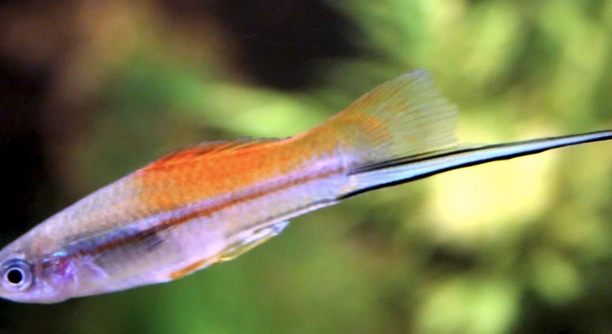
Do your swordtails seem restless or stressed after a tank rearrangement? Many fish owners wonder how their pets react to changes in their environment. Understanding their behavior after such changes can help ensure their well-being.
Swordtails do show reactions to tank rearrangement, though the extent of their response can vary. They may become temporarily stressed, exhibit altered swimming patterns, or hide. Over time, they usually adapt to their new surroundings.
Understanding their reactions can help you create a better environment for your swordtails. Knowing how to minimize stress is key to maintaining a healthy tank for your fish.
Why Swordtails React to Tank Rearrangement
Swordtails, like many fish, rely on a stable environment to feel secure. They are creatures of habit, and sudden changes in their tank can disrupt their sense of safety. The layout of the tank plays a crucial role in how they interact with their surroundings. When objects are moved around, they may become disoriented or stressed as they adjust to the new setup.
While swordtails are generally hardy fish, they have a strong instinct to identify hiding spots and familiar territories. If you move decorations, plants, or substrate, it can throw them off. This sudden shift can lead to temporary behaviors such as hiding or swimming aimlessly. Over time, they’ll adjust, but it’s important to monitor their behavior during the transition.
Creating a stable environment helps swordtails feel comfortable and reduces stress. When rearranging the tank, consider making small, gradual changes instead of large ones. This allows them to adapt more easily and avoid prolonged stress. A peaceful tank is essential for maintaining their health and overall happiness.
How Swordtails Show Stress
Swordtails react to stress in different ways. They may become more skittish, swim erratically, or stay hidden for long periods.
These behaviors are usually temporary and indicate that your swordtails are adjusting to the changes in their environment. They might also stop eating for a while, which is a common stress response.
The stress they experience from a tank rearrangement usually isn’t dangerous unless it’s prolonged. Swordtails can often recover from brief disruptions without any lasting harm. However, if their stress continues, it may lead to more severe health issues. Providing a calm environment will help them regain their confidence.
How Tank Rearrangement Affects Swordtail Behavior
When you rearrange the tank, swordtails may initially feel stressed or confused. They depend on their environment for comfort, and any change can disrupt their routines. They might swim aimlessly, hide, or avoid interacting with other fish.
The key to minimizing this stress is to make gradual changes. If you suddenly move everything around, swordtails may struggle to adjust. It’s important to keep some elements the same, like the placement of plants or rocks, so they have something familiar. Gradual adjustments help swordtails feel less threatened and more secure.
If they seem especially stressed, it’s best to leave the tank alone for a while. Allowing them time to adjust without further changes will help them settle back into their normal behaviors. In most cases, swordtails will return to their usual patterns once they get comfortable again.
The Best Time to Rearrange Your Tank
Rearranging your swordtail’s tank can be done at any time, but it’s better to choose moments when the fish are already well-established in their environment.
If you rearrange the tank right after introducing new fish or plants, the swordtails might be more sensitive to changes. It’s better to wait until they’ve had a chance to adjust and feel secure in their new home. Rearranging too soon could lead to unnecessary stress, which could weaken their immune system over time.
Make sure the water quality is stable and the tank’s temperature remains consistent throughout the rearranging process. Sudden shifts in their environment can lead to bigger issues.
How to Minimize Stress During Tank Rearrangement
To minimize stress, rearrange the tank slowly over time. Avoid doing everything at once. Make small changes every few days or weeks. This gives the swordtails time to adjust and keeps them from becoming overwhelmed.
Adding new decorations or plants gradually can also help. Keep some familiar elements in place while slowly introducing new ones. This gives the swordtails a chance to explore without feeling like their environment has been completely altered. The key is to make changes gradually to avoid causing too much stress.
Signs of Stress in Swordtails
Swordtails show stress by hiding, swimming erratically, or becoming more aggressive toward tankmates. They may also lose their appetite. These signs can be temporary but should not be ignored.
Monitoring the tank’s conditions can help reduce stress. If behaviors persist for too long, it may indicate a bigger issue like poor water quality or a health problem. Keep an eye on any ongoing changes in their behavior to ensure they’re adjusting well.
Adjusting the Tank After Rearranging
After rearranging the tank, keep an eye on the swordtails for a few days. If they are showing signs of stress, consider making more changes or providing extra hiding spots.
Sometimes, swordtails need more time to feel comfortable. Offer them places to hide, such as plants or decorations, so they can regain their sense of security. Once they feel at ease again, they will return to normal behavior.
FAQ
How long does it take for swordtails to adjust to a tank rearrangement?
Swordtails usually take a few days to adjust to a tank rearrangement. During this time, they might appear stressed, hiding more often or swimming aimlessly. If you make gradual changes, they may adapt quicker, but it’s best to give them at least a week to feel fully comfortable in the new setup.
Is it necessary to rearrange the tank for swordtails?
Rearranging the tank is not strictly necessary for swordtails. However, it can help to refresh their environment and provide new stimulation. Just make sure to do it in a way that doesn’t cause too much disruption. Swordtails thrive in stable environments, so avoid constant rearranging.
What are the most common signs of stress in swordtails?
Swordtails typically show stress through behaviors like hiding, erratic swimming, loss of appetite, and increased aggression. If the changes in the tank are too much for them to handle, they may swim into the corners or refuse to interact with other fish. These signs usually pass once they adjust.
Can swordtails get sick due to tank rearrangement?
While rearranging the tank itself won’t cause illness, the stress it causes can weaken your swordtail’s immune system, making them more susceptible to diseases. If the fish are stressed for an extended period, it could lead to health problems like fin rot or fungal infections, especially if water quality isn’t maintained.
Is it safe to rearrange the tank if swordtails are pregnant?
If your swordtails are pregnant, rearranging the tank can be risky as it can cause additional stress. Pregnant fish are already under physical stress, and any disruptions could result in complications, such as miscarrying the fry. It’s better to wait until after they’ve given birth and recovered before making changes.
How can I tell if my swordtail is adjusting well after rearranging the tank?
To see if your swordtail is adjusting well, watch for signs of regular swimming behavior, eating normally, and interacting with other tank mates. If the swordtail starts swimming around the tank confidently and doesn’t hide as much, it’s a good sign that they are getting comfortable with the changes.
Should I rearrange the tank before adding new swordtails?
If you plan to add new swordtails to your tank, it’s a good idea to rearrange the tank beforehand. This can reduce territorial aggression from the existing fish, as they won’t have established territories in the new setup. Just make sure the changes aren’t too drastic, and allow everyone time to adjust.
How can I reduce the stress of swordtails during rearrangement?
To reduce stress during tank rearrangement, take it slow. Make small changes over several days, and avoid moving all decorations at once. Adding new hiding spots, plants, or decorations can also help. Maintaining stable water conditions and temperature during the process is essential to minimize additional stress.
What should I do if my swordtails continue to act stressed after rearranging?
If your swordtails remain stressed even after a few days, check for other potential causes like water quality issues, temperature fluctuations, or aggression from other fish. You may need to address these factors. Providing extra hiding spots and reducing tank traffic can help them regain a sense of security.
Can tank rearrangement affect swordtail breeding?
Yes, rearranging the tank can temporarily disrupt swordtail breeding. Stress from changes may cause them to stop courting or prevent successful reproduction. If you’re trying to breed your swordtails, it’s better to leave the tank undisturbed until after the fry are born and have grown strong.
How can I keep my swordtails calm during tank changes?
To keep swordtails calm during tank changes, try to maintain consistency. If possible, don’t move the tank’s filtration system or water parameters drastically. Also, try rearranging the tank during times when the swordtails are less active, like at night. Providing plenty of hiding spaces and plants can help reduce their stress.
Is it harmful to rearrange the tank frequently?
Frequent rearranging can harm swordtails. They thrive on stability, and constant changes can cause them stress. It’s best to only rearrange the tank when necessary or when you need to improve the environment. Giving the swordtails time to adjust between changes is key to their health.
What is the best time of day to rearrange the tank?
The best time to rearrange the tank is during the evening, just before the swordtails’ normal resting period. This way, they’ll have the night to adjust to the new setup without being as active. Make sure the tank’s lighting is dim to reduce their stress during the change.
Do swordtails recognize their tank decorations?
Yes, swordtails can recognize their tank decorations. They often use landmarks, like plants or rocks, to navigate and feel secure in their environment. Changing these elements suddenly can cause confusion and stress, so it’s better to make small changes gradually to avoid disorienting them.
Can rearranging the tank cause swordtails to fight?
Rearranging the tank can increase aggression in swordtails, especially if they feel their territory has been disrupted. Adding new hiding spots and creating more space in the tank can reduce territorial behavior. It’s also helpful to monitor the fish closely after rearranging to prevent any aggressive interactions.
Do swordtails need a lot of space to feel comfortable?
Yes, swordtails do need plenty of space to feel comfortable. Overcrowding can cause stress and aggression, especially after a tank rearrangement. Ensure that your tank is large enough to accommodate the swordtails and other tank mates, and try to maintain appropriate stocking levels for a healthy environment.
Final Thoughts
Rearranging a tank can have both positive and negative effects on your swordtails, depending on how it’s done. While changing the tank setup can refresh the environment and provide new stimulation, it’s important to approach the process carefully. Swordtails, like many fish, are creatures of habit and rely on the stability of their surroundings to feel secure. Sudden changes can lead to stress, which could affect their health and behavior. Understanding how your swordtails respond to changes can help you create a better environment for them in the long run.
When rearranging the tank, it’s best to make small, gradual changes instead of completely altering the layout at once. This will give your swordtails time to adjust and reduce the stress they may experience. If you do make larger changes, be sure to provide them with plenty of hiding spots and familiar objects, so they still have something to hold onto during the transition. Water quality and temperature should remain stable throughout the process to prevent any additional stressors. Patience is key when helping your swordtails adjust to the changes in their environment.
In the end, understanding how your swordtails react to tank rearrangement and making thoughtful adjustments can help maintain their well-being. While they may feel unsettled at first, with the right steps, they should eventually return to their normal behavior. The goal is to provide a stable and comfortable home where they can thrive, and by carefully monitoring their reactions and adjusting accordingly, you can help create the best possible environment for your fish.

Hello,
If you enjoy the content that we create, please consider saying a "Thank You!" by leaving a tip.
Every little bit helps us continue crafting quality advice that supports the health, happiness, and well-being of pets around the world, for pets of all shapes, sizes, and species.
We really appreciate the kindness and support that you show us!