
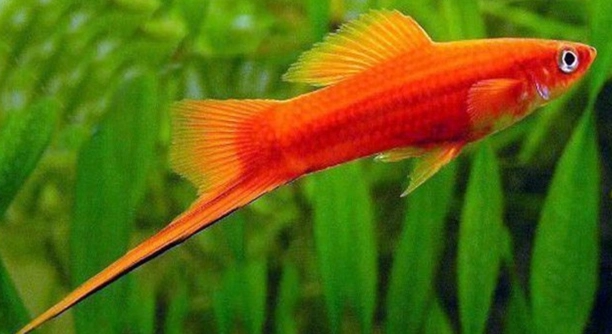
Swordtails are a popular fish species in many aquariums, often valued for their vibrant colors and lively personalities. Aquarium owners may wonder if certain elements in their tank, such as driftwood, impact the fish’s well-being and behavior.
Research indicates that swordtails do enjoy having driftwood in their tanks. Driftwood can provide shelter and a natural environment, promoting the fish’s sense of security. This addition mimics their natural habitat, contributing to their overall health and comfort.
Adding driftwood to a swordtail tank can create a more natural and balanced environment, enhancing their comfort and well-being.
Why Swordtails Appreciate Driftwood in Their Tanks
Driftwood provides swordtails with several benefits that mimic their natural environment. In the wild, swordtails are often found swimming in water with submerged wood, which offers places to hide, rest, and explore. This element can create a more comfortable and secure atmosphere in an aquarium. When driftwood is added to a tank, it also helps improve water quality by releasing tannins, which can lower the pH and provide a slightly acidic environment. Swordtails thrive in slightly acidic water, and this makes them feel more at home.
Driftwood also acts as a form of enrichment, encouraging swordtails to interact more with their environment. The fish can swim around the wood or hide behind it for comfort. This natural stimulation helps reduce stress and promotes active swimming behavior, both key factors in maintaining their health.
Adding driftwood to a tank can also help create a more visually appealing environment. The dark tones of the wood contrast well with the vibrant colors of swordtails, making the fish stand out more. This natural setting benefits both the swordtails and the overall aesthetics of the aquarium.
Water Quality and Driftwood’s Role
Driftwood’s influence on water quality is another reason it benefits swordtails. The wood’s tannins lower the water’s pH, creating a slightly acidic environment. Swordtails thrive in such conditions, making driftwood a helpful addition.
Additionally, the wood provides a more stable environment by mimicking the conditions swordtails would encounter in their native habitats. In their natural environment, these fish often swim around submerged wood in soft, slightly acidic water. By replicating this setup, swordtails are less likely to experience stress, improving their overall health.
Benefits of Driftwood for Swordtails
Driftwood provides swordtails with shelter, creating a sense of security in their environment. The fish can hide among the wood or rest on its surface, which helps reduce stress levels. This is crucial for their well-being, especially in a tank with other active fish.
By adding driftwood, you are essentially recreating the swordtails’ natural habitat, which helps them thrive. It gives them space to explore and can even serve as a place to lay eggs if the tank conditions are right. Over time, swordtails may exhibit more natural behavior as they adapt to their enriched environment.
The wood also aids in controlling algae growth. While it doesn’t eliminate algae completely, driftwood creates areas where algae may be less likely to develop, ensuring the tank remains cleaner. With proper tank maintenance, swordtails will feel more comfortable in their home.
Aesthetic Appeal of Driftwood
Driftwood can enhance the visual appeal of your aquarium by adding natural textures and contrast. The unique shapes and colors of the wood make it a focal point, drawing attention to the swordtails. This creates a more dynamic, interesting aquarium setup.
Moreover, the wood’s natural appearance blends well with other elements in the tank. The vibrant colors of the swordtails contrast beautifully with the dark tones of the driftwood, making the fish stand out more. With driftwood, you’re not only improving the fish’s health but also creating a visually pleasing environment that highlights your swordtails’ beauty.
How Driftwood Improves Swordtail Health
Driftwood plays a role in maintaining water quality, which directly impacts swordtail health. The tannins it releases help lower the pH, creating a slightly acidic environment ideal for these fish. Swordtails are better able to thrive in these conditions, which enhances their overall vitality.
The presence of driftwood also helps reduce stress. Swordtails find comfort in hiding or swimming around the wood, which allows them to feel secure. Stress can lead to various health problems in fish, but by providing a safe environment, the risk is minimized.
Tank Setup with Driftwood
When setting up a tank with driftwood, make sure the wood is properly treated to avoid contaminants. Before placing it in the tank, soaking the driftwood can help remove excess tannins, which might otherwise cloud the water. Once settled, driftwood becomes an excellent addition to a healthy tank.
Additional Tank Care with Driftwood
While driftwood can improve tank conditions, it is important to monitor water parameters regularly. Keeping track of pH, hardness, and temperature ensures the tank remains within ideal conditions for swordtails. Regular water changes also help maintain the balance and keep the environment healthy.
FAQ
How do I prepare driftwood for my swordtail tank?
Preparing driftwood is essential to avoid clouding the water or introducing unwanted chemicals. Before placing the driftwood in the tank, it’s important to soak it in water for several days. This helps remove excess tannins and reduces the chances of discoloring the water. You can also boil the driftwood for a few hours to ensure it is clean. After soaking or boiling, you can place the driftwood in the tank, making sure it’s secure and doesn’t pose a threat to the fish’s movement.
How does driftwood affect the pH levels in my tank?
Driftwood naturally releases tannins, which lower the water’s pH and make it more acidic. Swordtails prefer slightly acidic conditions, so driftwood helps mimic their natural habitat. It is important to regularly monitor pH levels with a testing kit to ensure the water remains in the desired range, typically between 6.5 and 7.5. Keeping track of pH ensures that your swordtails remain comfortable and healthy. If the pH drops too much, adjustments may need to be made.
Can driftwood harm my swordtails?
Driftwood itself is not harmful to swordtails if properly prepared. However, improperly treated driftwood can introduce harmful substances into the water. It’s crucial to avoid using wood that hasn’t been treated for aquarium use, as it may contain toxins. Over time, the wood’s tannins may also cause the water to become too acidic, which could stress your swordtails if not monitored. Regular water changes can help balance the pH and prevent any negative effects on your fish.
Do swordtails need driftwood in their tanks?
While swordtails can live without driftwood, providing it enhances their tank environment. Driftwood offers hiding spots and a more natural setting, making the fish feel secure. It also helps with water quality by lowering the pH and releasing tannins, which mimic the fish’s natural habitat. Swordtails do well in these conditions, but it’s not a necessity. If you have limited space or prefer a simpler setup, swordtails can thrive without driftwood as long as their basic needs are met.
Can I use any type of driftwood for swordtail tanks?
Not all driftwood is suitable for aquarium use. It’s best to choose driftwood that is specifically labeled for use in aquariums, such as Malaysian or Mopani wood. These types are safe and will not introduce harmful substances into the water. Other types of wood may be too dense or may release too many tannins, which can make the water too dark or acidic. Always research the type of driftwood you’re planning to use to ensure it’s appropriate for your tank.
How long will driftwood last in my swordtail tank?
Driftwood can last for years in an aquarium, depending on its size and the type of wood. Over time, the wood may break down and soften, but it won’t pose any immediate risks to your swordtails. Some driftwood types, like Mopani, last longer and are more resistant to decay, while softer woods may break down faster. It’s important to inspect the driftwood regularly for any signs of mold or excessive decay. If it starts deteriorating rapidly, it may need to be replaced.
Can driftwood cause algae growth in the tank?
Driftwood does not directly cause algae growth. However, it can provide surface areas where algae may grow, especially in tanks with high light levels. Algae growth is a result of excess nutrients, light, and poor tank maintenance. While driftwood doesn’t increase nutrient levels, it can offer a place for algae to attach. Regular cleaning and algae control are still necessary to keep your tank in optimal condition. If algae become a problem, you can consider adding algae-eating fish or adjusting the lighting.
Will driftwood affect the appearance of the tank?
Driftwood adds a natural and visually appealing element to your tank. The textures and colors of the wood provide a contrast to the vibrant colors of your swordtails, making them stand out. It also creates a more natural, dynamic environment, simulating the fish’s native habitat. Some aquarists find that driftwood helps break up the tank’s layout, adding depth and interest. However, the tannins released from the wood may darken the water, which some may not find visually appealing. Regular water changes help maintain clear water.
Can I add plants to a tank with driftwood?
Yes, driftwood can support live plants in the tank. Some plants naturally attach to driftwood, such as Anubias and Java Fern. These plants benefit from the added surface area and can thrive when attached to the wood. When setting up plants, ensure they have enough light and nutrients to grow. Plants on driftwood also help maintain water quality and provide additional hiding spots for the swordtails. They can coexist well with the driftwood, enhancing the overall aesthetics and environment for the fish.
How does driftwood impact the swordtail’s behavior?
Driftwood can positively influence swordtail behavior. The wood provides areas to hide, which can reduce stress, especially in tanks with other fish. Swordtails may feel more secure, encouraging natural behaviors such as swimming and exploring. Hiding spaces also give them rest areas where they can retreat if they feel threatened. This results in a more active, less stressed fish population. A comfortable environment, with the presence of driftwood, leads to healthier swordtails overall, as they feel safe and less likely to hide in the corners of the tank.
Final Thoughts
Driftwood can be a beneficial addition to a swordtail tank, offering both aesthetic and health-related advantages. By mimicking their natural environment, it provides swordtails with shelter and a sense of security, which can help reduce stress. Stress is one of the main causes of health issues in fish, so minimizing it is crucial. In addition to improving the fish’s well-being, driftwood also enhances water quality by releasing tannins that slightly lower the pH. This creates a more suitable environment for swordtails, who prefer slightly acidic conditions. It’s important to keep an eye on the water’s pH to ensure it remains within a healthy range for the fish. Regular monitoring of water parameters will help maintain the ideal conditions.
While driftwood offers many benefits, it is not a necessity for swordtail care. These fish can thrive without it, provided their basic needs, such as proper water temperature, oxygen levels, and diet, are met. However, when added, driftwood can make a noticeable difference in their overall environment. It creates a more dynamic and natural-looking tank, which can also be visually appealing. The darker water, resulting from tannins, can make the vibrant colors of the swordtails stand out more. For aquarists who want to replicate the fish’s natural habitat and enhance the aesthetic appeal of the tank, driftwood is an excellent option.
Before adding driftwood, it’s important to properly prepare it by soaking or boiling it. This ensures the removal of excess tannins and any harmful substances. Over time, driftwood may break down or soften, so regular inspection is necessary to ensure it doesn’t negatively impact the tank. Algae can also grow on the wood, which can be managed through regular maintenance. In conclusion, driftwood can enhance the health and appearance of a swordtail tank, but it should be used with care and regular maintenance to keep the tank in optimal condition.

Hello,
If you enjoy the content that we create, please consider saying a "Thank You!" by leaving a tip.
Every little bit helps us continue crafting quality advice that supports the health, happiness, and well-being of pets around the world, for pets of all shapes, sizes, and species.
We really appreciate the kindness and support that you show us!