
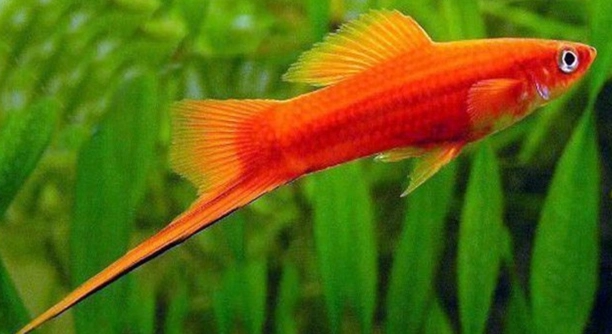
Have you ever stood at your aquarium, food in hand, wondering which type your swordtails will enjoy the most? Many fishkeepers face this simple but important choice every day when feeding their pets.
Swordtails generally prefer live food over dry food due to its natural movement and higher nutritional value. However, they can adapt to dry food when introduced gradually and offered a balanced diet for optimal health.
From feeding routines to behavior changes, understanding what your swordtails enjoy can help you care for them better and keep them thriving.
Why Swordtails Respond to Live Food
Live food often triggers natural hunting instincts in swordtails. The movement and scent make it more appealing than dry flakes or pellets. Foods like brine shrimp, bloodworms, and daphnia closely resemble what they would find in the wild. Live food also provides a higher level of protein and essential nutrients, which supports healthy growth, vibrant colors, and active behavior. Many aquarists notice a change in energy and appetite when swordtails are given live food regularly. Feeding live food can also reduce waste in the tank since it’s usually eaten quickly. While dry food is convenient, it may not always meet every nutritional need. Some dry options include additives and fillers that swordtails don’t benefit from. Over time, fish may become less active or develop digestive issues. That’s why many people alternate between live and dry feedings to keep their fish interested, active, and healthy without causing dietary imbalances.
Feeding swordtails live food two or three times a week can greatly improve their overall condition and behavior.
Still, it’s important to consider the source of the live food. It should always be clean and free from any harmful bacteria or parasites. Frozen live food is also a good option if you’re looking for convenience.
When Dry Food Is a Good Choice
Dry food is easy to store, simple to feed, and often more affordable than live food. It can also be useful for new fishkeepers learning the basics of nutrition and feeding schedules.
Although live food might bring out natural behavior, high-quality dry food can still meet most of your swordtail’s needs. Many brands now offer specially formulated flakes or pellets with added nutrients, including plant matter, proteins, and vitamins. When choosing dry food, look for those labeled for tropical fish and free from excess fillers. A varied diet is the key. Dry food can serve as a base, while occasional live food keeps things interesting and balanced. Some swordtails may even prefer certain textures or flavors in dry food, so it’s worth trying a few types to see what works best. Overfeeding dry food can lead to poor water quality, so feed in small amounts and monitor leftovers. Pairing dry food with vegetables like blanched spinach or peas adds extra fiber and supports digestion.
How to Balance Live and Dry Food
Feeding both live and dry food helps swordtails get a variety of nutrients. It also keeps their meals interesting and supports natural behaviors. The key is to create a consistent schedule that doesn’t overwhelm their digestive system.
Start by offering dry food as the base of their diet, feeding small amounts once or twice a day. Two to three times a week, replace one of those feedings with live food like brine shrimp or bloodworms. This gives them extra protein without overloading the tank. Avoid feeding only live food, as it may cause dietary gaps. Mix in blanched vegetables once a week to support digestion. Monitor how much they eat and remove leftovers to keep the water clean. Over time, you’ll notice which foods your swordtails enjoy most and how their behavior shifts with each type. This helps you build a reliable feeding routine that works for both you and your fish.
If your swordtails aren’t used to live food, try frozen versions first. They are easier to store and still offer many of the same benefits. Slowly introduce live food by mixing it with dry food, so they learn to recognize it as a meal. Watch for improved color, energy, and activity after adding it regularly.
Signs Your Swordtails Like Their Food
Swordtails that enjoy their food will swim actively toward it and begin eating quickly. You’ll also notice brighter colors and smooth, steady movement around the tank. A healthy appetite is a strong indicator that their diet is working well.
If your swordtails are ignoring food or only nibbling before swimming away, the type or texture may not be right. Try offering smaller pieces, especially if you’re feeding flakes or pellets. If they spit food out repeatedly, it’s usually a sign that they don’t like the flavor or that it’s too hard to chew. On the other hand, fish that rush to eat live food are showing natural feeding instincts. Their energy levels and social behavior will often improve too. Keep an eye on their waste—too much or too little can signal digestion issues. Small changes in how your fish act around feeding time can tell you a lot about what’s working and what needs to be adjusted.
Foods to Avoid Feeding Swordtails
Avoid giving swordtails bread, processed meats, or anything seasoned. These can upset their digestive system and pollute the water. Stick to foods made for fish, along with fresh or frozen options that are safe for aquarium use.
Overfeeding fatty live foods like tubifex worms can cause bloating or organ stress. Keep these as rare treats, not regular meals. Always rinse any food, especially live or frozen types, before placing it in the tank to avoid introducing harmful bacteria or parasites.
What to Do if They Refuse to Eat
If your swordtails stop eating, first check the water parameters. Poor water quality can affect appetite and stress the fish. Test ammonia, nitrite, and pH levels. Make any necessary corrections with a water change. Next, try switching food types. Sometimes changing from flakes to live or frozen food can help. Offer small pieces and observe closely. If they still refuse food for more than two days, isolate the fish to rule out illness or aggression from tank mates. Keeping a calm, clean environment is important. Fish often resume eating once they feel safe and the water conditions improve.
Best Time to Feed Swordtails
Feed swordtails in the morning or early evening when they are most active. Stick to a consistent time each day so they know when to expect food.
FAQ
What is the best live food for swordtails?
Swordtails enjoy a variety of live foods. The best options are brine shrimp, bloodworms, daphnia, and mosquito larvae. These foods are high in protein, helping swordtails grow and maintain vibrant colors. Live foods also stimulate their natural hunting instincts, keeping them active. It’s important to feed them these live foods sparingly—too much can lead to imbalanced nutrition. You can also try feeding them frozen live food, which is more convenient but still offers the same benefits. Just be sure to thaw it properly before feeding.
Can swordtails eat dry food every day?
Yes, swordtails can eat dry food daily. High-quality flake food or pellets formulated for tropical fish will provide them with essential nutrients. However, it’s important to ensure the dry food is nutritionally balanced. A dry-food-only diet may lack some necessary vitamins and minerals, so it’s best to alternate with live food a few times a week. Feeding dry food once or twice a day will give your fish the calories they need without overfeeding. Overfeeding dry food can cause waste build-up in the tank, which may lead to poor water quality.
How much should I feed my swordtails?
The amount of food depends on the number of swordtails in your tank and their size. A general rule is to offer as much food as they can eat in 2-3 minutes. If there’s leftover food after that time, reduce the amount in the next feeding. Feed small portions to avoid overfeeding, which can lead to poor water quality and health problems. Swordtails are often more active during feeding time, so it’s easy to tell if they are getting the right amount—they will eagerly eat but won’t leave behind much food.
Do swordtails need vegetables in their diet?
Yes, swordtails benefit from vegetables in their diet. Offering blanched spinach, zucchini, peas, or lettuce can provide fiber, which aids digestion. Vegetables also help mimic the natural diet of swordtails, as they would eat plant matter in the wild. You can offer small amounts of vegetables once a week in addition to their regular food. Avoid offering vegetables with any added seasoning or oil, as these can harm your fish. Cut the vegetables into small pieces to make it easier for them to eat.
Can swordtails eat freeze-dried food?
Freeze-dried food is another option for swordtails, but it should be used sparingly. While it retains much of the nutrition from live food, freeze-dried food can lose some of its nutrients during the drying process. It may also cause digestive issues if overfed. To ensure they’re getting all their nutritional needs, offer freeze-dried food as a treat or supplement to their regular diet. Always rehydrate freeze-dried food before feeding to avoid any potential digestive blockages.
Are there any signs of overfeeding my swordtails?
Overfeeding can lead to several signs, such as bloating, sluggish behavior, and a lack of appetite. Excess food left in the tank will decay, polluting the water and affecting your swordtails’ health. Swordtails may also become lethargic or develop obesity-related issues from too much food. To prevent overfeeding, remove any leftover food after a few minutes and stick to a feeding schedule. Monitor their body condition—if they start getting fat, it’s time to reduce portions. Healthy swordtails should remain active, with a slim and toned appearance.
What types of dry food are best for swordtails?
Look for dry food specifically designed for tropical fish or swordtails. A high-quality flake or pellet food should contain a balanced mix of protein, vitamins, and minerals. The food should list whole fish or meat as the first ingredient, not fillers like corn or wheat. For best results, rotate between different brands and types of dry food to give swordtails variety. You can also try sinking pellets to ensure they get a varied diet, as some swordtails may prefer different textures. Avoid food with artificial colors or preservatives, as these may cause health problems.
Can swordtails eat too much live food?
Yes, swordtails can eat too much live food, which may lead to nutritional imbalances. Although live food is nutritious, feeding it too often can lead to obesity or digestive issues. Live food is also richer in protein, which swordtails don’t need in excess. To avoid this, feed live food only two or three times a week and balance it with dry food. You can also include small amounts of vegetables to give swordtails a more varied diet, which is healthier in the long term.
How often should I feed swordtails live food?
Live food should be fed to swordtails two or three times a week, ideally in small quantities. While live food is a great source of protein and stimulates natural hunting behavior, too much can lead to digestive problems or an unbalanced diet. Use it as a supplement to their regular dry food. Rotate between live and frozen options to keep their diet diverse while ensuring they receive all necessary nutrients. Offering live food once a week is generally enough to keep them healthy and active.
Can swordtails eat fish food made for other species?
Swordtails can eat food designed for other types of tropical fish, but it should still meet their nutritional needs. However, it’s important to ensure that the food contains the proper balance of protein, fiber, and vitamins suited to swordtails. Some foods designed for other species may contain ingredients that are too high or low in certain nutrients for swordtails. Always check the label to confirm the food is appropriate for livebearers like swordtails.
Final Thoughts
Swordtails are relatively easy to care for, but providing them with the right diet is crucial to their health and well-being. A combination of live and dry food can offer them the necessary nutrients to stay active and vibrant. Live food, such as brine shrimp or bloodworms, mimics their natural diet and stimulates their hunting instincts, which can improve their overall behavior and energy levels. On the other hand, dry food offers convenience and consistency, providing the essential vitamins and minerals swordtails need. A balanced diet ensures they get the right amount of protein and other nutrients without overfeeding them. Alternating between live and dry food, along with the occasional vegetable, gives them a diverse and well-rounded diet.
It’s important to remember that swordtails should be fed in moderation. Overfeeding can cause health problems, such as obesity, bloating, or poor water quality. When feeding, offer small amounts that they can eat in just a few minutes, and remove any uneaten food to prevent it from decaying in the tank. Watching your swordtails carefully will help you determine the right portions. Their behavior can be a good indicator of whether they are getting the right amount of food—active and eager to eat fish are generally healthy. If they seem uninterested in food or show signs of digestive issues, you may need to adjust their diet.
Ultimately, understanding your swordtails’ preferences and feeding habits is the key to ensuring their happiness and health. With the right combination of live and dry food, along with proper feeding routines, your swordtails can thrive in your tank. Keep in mind that variety is important; changing up their meals will prevent boredom and encourage natural behaviors. By paying attention to their needs and keeping their environment clean, you’ll help them live a long and healthy life.

Hello,
If you enjoy the content that we create, please consider saying a "Thank You!" by leaving a tip.
Every little bit helps us continue crafting quality advice that supports the health, happiness, and well-being of pets around the world, for pets of all shapes, sizes, and species.
We really appreciate the kindness and support that you show us!