
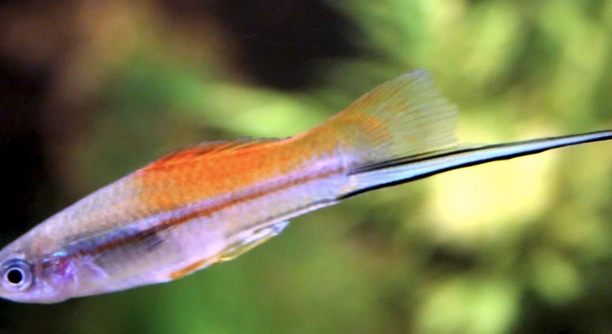
Swordtails are popular aquarium fish known for their colorful appearance and active nature. When it comes to their ideal living conditions, understanding their preference for a calm environment is essential for ensuring their well-being in your tank.
Swordtails thrive in calm environments with minimal disturbances. They are naturally active fish, but they prefer gentle water flow and peaceful surroundings. Avoiding excessive noise and sudden movements can help reduce stress and promote healthy behavior in your swordtail aquarium.
Knowing how to create a calm environment can improve your swordtail’s overall health and happiness.
Why Swordtails Prefer Calm Environments
Swordtails are active swimmers, but their preference for a calm environment plays a crucial role in their well-being. In a tank with constant disturbances, they might become stressed, which can affect their health and behavior. The ideal habitat for swordtails includes a steady water flow, minimal noise, and a lack of sudden movements. Swordtails, like many fish, have a heightened sensitivity to changes in their environment. A tank that remains peaceful helps them feel secure, leading to better overall health.
Their natural habitats are calm waters such as slow-moving rivers or ponds, where they can easily swim without excessive current or agitation. By replicating these conditions in your aquarium, you’ll see your swordtails become more vibrant and active in a positive way. A peaceful tank reduces stress, making it easier for them to breed and thrive. Additionally, a well-maintained environment with proper filtration can ensure that your swordtails stay healthy for longer.
Creating a calm aquarium doesn’t mean a lack of activity. Swordtails still enjoy swimming around and interacting with tank mates, but the surrounding environment must remain steady to avoid stress.
The Role of Water Flow
Water flow is a critical factor in maintaining the right environment for swordtails. A steady, moderate flow mimics their natural habitat.
Swordtails typically swim in areas where the current is minimal, so it’s important to avoid strong filters or pumps in your aquarium. Opt for a filter that provides gentle circulation, ensuring the water stays clean without overwhelming the fish.
Tank Setup for Swordtails
When setting up a tank for swordtails, a peaceful environment starts with the basics. Keep decorations and plants simple to avoid overcrowding. They need space to swim and explore.
Use soft decorations that don’t create sharp edges, as swordtails may accidentally injure themselves. Live plants like Java moss can provide hiding spots and mimic their natural habitat. Ensure you maintain a consistent water temperature between 72-79°F to create a comfortable environment for your swordtails. Also, make sure the substrate is smooth, as sharp gravel can cause harm.
A tank that has gentle lighting, moderate plants, and soft decor will make your swordtails feel safe. Avoid overcrowding the aquarium with too many fish, as this can increase stress levels. Regular water changes also help keep the water quality optimal. By keeping their space comfortable, swordtails can thrive in a peaceful environment, improving their health and overall activity.
Maintaining Calm in the Tank
Swordtails benefit from consistent, stable conditions. Avoid making sudden changes to their environment.
Consistent water conditions, such as stable pH and hardness, will help swordtails feel comfortable. Frequent fluctuations can cause stress, which negatively impacts their behavior. Regular water testing ensures the tank’s parameters stay ideal. Additionally, using a timer for lighting helps maintain a predictable day-night cycle, which reduces stress. Consider adding plants or rocks for hiding spots, as these provide security and reduce anxiety, promoting peaceful behavior in your swordtail.
Tank Mates for Swordtails
When choosing tank mates, swordtails do best with peaceful, similar-sized fish. Avoid aggressive species that might stress them out.
Fish like guppies, mollies, and tetras are ideal companions. These species share similar water and behavioral needs, allowing swordtails to coexist peacefully. Always monitor for signs of stress.
Managing Swordtail Behavior
Swordtails can be territorial, especially during breeding. It’s important to provide enough space and hiding places.
Adding plants, rocks, and driftwood can help create separate territories. These elements allow swordtails to feel secure while minimizing aggression. The more comfortable they are, the less likely they are to exhibit stress-related behaviors.
Water Quality for Swordtails
Water quality is essential to maintaining a calm environment for swordtails. Regular water testing is necessary.
Test for ammonia, nitrite, nitrate, and pH levels. Swordtails thrive in stable water conditions, so regular changes and maintenance are crucial. Clean filters and avoid overfeeding to keep the water pristine and reduce stress for your fish.
FAQ
Do swordtails need a calm environment?
Yes, swordtails thrive in calm environments. They are active swimmers but are sensitive to sudden changes or disturbances in their environment. A peaceful tank with gentle water flow helps reduce stress and allows them to swim and interact naturally, promoting better health and behavior.
What water conditions are best for swordtails?
Swordtails prefer slightly alkaline water with a pH range of 7.0-8.0. The water temperature should be between 72-79°F. Regular water changes are crucial to maintaining a healthy environment. Test water parameters regularly to ensure they stay within ideal ranges, and avoid drastic fluctuations.
Can swordtails live with other fish?
Swordtails are peaceful fish and can live with many other species, especially those of similar size and temperament. Good tank mates include guppies, mollies, and tetras. Avoid aggressive fish that might harass swordtails, as this can cause stress and disrupt the calm environment they need.
How can I reduce stress for my swordtail fish?
To reduce stress, provide plenty of space, hiding spots, and gentle water flow. Avoid sudden temperature changes, loud noises, or rapid movements around the tank. Regular water changes and maintaining stable water parameters will also help your swordtails feel secure and comfortable in their environment.
Are swordtails easy to care for?
Swordtails are relatively easy to care for. They adapt well to different environments, as long as water conditions are stable. They are hardy fish and do not require much attention beyond regular water changes and proper feeding. However, keeping a peaceful tank setup will enhance their overall well-being.
What type of tank setup do swordtails prefer?
Swordtails prefer tanks with soft, smooth decorations and plenty of space to swim. Adding live plants like Java moss provides hiding spots and mimics their natural environment. Keep the tank well-filtered and maintain stable water parameters to create a peaceful setting for your swordtails.
Can swordtails be kept in a small tank?
While swordtails can live in smaller tanks, they do best in aquariums that are at least 20 gallons. A larger tank gives them more space to swim and reduces stress. Smaller tanks can lead to overcrowding, poor water quality, and a higher risk of disease.
Do swordtails need a lot of plants in their tank?
Plants are not absolutely necessary for swordtails, but they help create a more comfortable environment. Live plants provide hiding spots, reduce stress, and help maintain water quality. Adding plants like Java fern, hornwort, or Amazon sword can help create a natural and calming habitat for your swordtails.
How often should I feed my swordtails?
Swordtails should be fed 2-3 times per day. Provide a balanced diet of high-quality flakes, pellets, and occasional live or frozen food like brine shrimp or daphnia. Be careful not to overfeed, as uneaten food can pollute the water and harm your fish.
Why are my swordtails hiding?
Swordtails might hide if they feel stressed, unwell, or if there is a dominant tank mate. If hiding becomes excessive, check the water conditions and ensure the tank is peaceful. Adding more hiding spots or plants can also help them feel secure and reduce stress.
Do swordtails need a filter?
Yes, swordtails need a filter to maintain clean water. A filter helps remove waste and keeps the water oxygenated, which is essential for their health. Make sure the filter doesn’t create a strong current, as swordtails prefer a gentle flow.
Can swordtails be kept with shrimp?
Swordtails can live with certain species of shrimp, like cherry shrimp, but be cautious. Swordtails are not aggressive toward shrimp, but they may nip at them, especially when the shrimp are small. It’s best to provide plenty of hiding spots to give shrimp a safe space.
How do I know if my swordtail is stressed?
Signs of stress in swordtails include hiding, erratic swimming, loss of color, or a decrease in appetite. Stress can be caused by poor water quality, aggressive tank mates, or environmental disturbances. Addressing these factors can help reduce stress and restore normal behavior.
Are swordtails prone to any diseases?
Swordtails are generally hardy, but they can be susceptible to common fish diseases such as ich, fin rot, and velvet disease. Keeping their tank clean, maintaining stable water conditions, and avoiding overpopulation can reduce the risk of disease. Quarantining new fish before adding them to the tank can also help prevent outbreaks.
Can swordtails breed in captivity?
Yes, swordtails can breed in captivity. They are livebearers, meaning they give birth to live young rather than laying eggs. To encourage breeding, ensure the tank conditions are stable, and provide both males and females. Males will court females, and once pregnant, females will give birth in around 4 weeks.
What should I do if my swordtail is pregnant?
If your swordtail is pregnant, provide a separate breeding tank or a breeding box to protect the fry from being eaten by other tank mates. Swordtails typically give birth to 20-50 fry at a time. After birth, remove the mother to prevent her from eating the fry.
Why is my swordtail swimming at the surface?
Swordtails swimming at the surface could be trying to catch air or may be stressed from poor water quality. Check for low oxygen levels in the tank or test the water for high ammonia or nitrites. Make sure the filtration system is working properly to maintain good water quality.
How can I tell if my swordtail is male or female?
Male swordtails typically have a more slender body and a long, sword-like extension on their tail. Females are usually larger and rounder, with a more rounded tail. Males may also have a darker coloration during breeding seasons. These differences help distinguish males from females.
Final Thoughts
Swordtails are relatively easy to care for, making them an excellent choice for both beginner and experienced fish keepers. They thrive in peaceful environments, especially when their tank mates are calm and similar in size. Maintaining stable water conditions is key to their overall health, and they do best in tanks that provide plenty of space to swim and areas to hide. Adding live plants and rocks can enhance their well-being, creating a more natural and secure environment for them.
While swordtails are hardy fish, they can be sensitive to stress, which can affect their behavior and health. It’s important to monitor water quality regularly, provide appropriate tank mates, and avoid overfeeding. Swordtails are social fish, so keeping them in groups and avoiding aggressive companions helps reduce stress. Breeding swordtails can be a rewarding experience, but it requires extra care to protect the fry from being eaten by adult fish. If you’re planning to breed, it’s best to set up a separate breeding area or use a breeding box to keep the young safe.
In summary, swordtails are an enjoyable fish species that can live harmoniously in a well-maintained tank. By focusing on creating a calm and stable environment, you can ensure your swordtails live a long, healthy life. Regular water changes, proper feeding, and choosing the right tank mates are all important for keeping your swordtails happy. When cared for properly, these fish will add vibrant color and movement to your aquarium, providing you with years of enjoyment.

Hello,
If you enjoy the content that we create, please consider saying a "Thank You!" by leaving a tip.
Every little bit helps us continue crafting quality advice that supports the health, happiness, and well-being of pets around the world, for pets of all shapes, sizes, and species.
We really appreciate the kindness and support that you show us!