
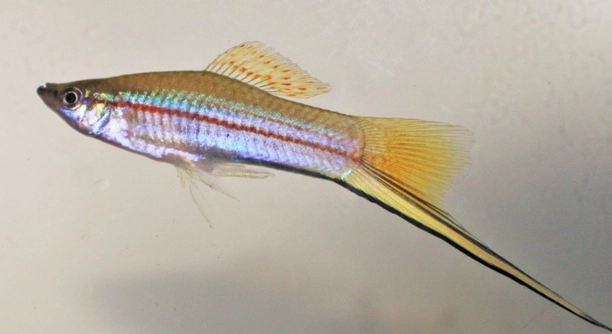
Swordtails are popular aquarium fish known for their vibrant colors and unique characteristics. One key aspect of their behavior is whether they prefer to pair off or stay in schools. Understanding their social tendencies helps in providing better care for them.
Swordtails generally prefer to stay in schools, especially in the wild, where safety and socializing are essential. However, some may form pairs during breeding seasons. Their behavior can vary based on environment and individual personality.
Understanding their schooling habits is important for creating the ideal tank environment. This knowledge also helps in enhancing their well-being and social interactions.
Swordtail Social Behavior: Understanding Their Schooling Instincts
Swordtails thrive in groups, where they feel safe and can interact with others. In their natural habitat, they swim together, forming loose schools. This behavior helps them avoid predators and establish a social hierarchy. When kept in an aquarium, swordtails will often follow this instinct, preferring to stay with their own kind. A group of swordtails can make a vibrant and dynamic display in any tank. Keeping multiple swordtails together will allow them to interact and feel secure, which is crucial for their well-being.
Swordtails are not solitary fish and do best in groups. They are naturally inclined to swim in schools, which helps reduce stress levels.
While they do prefer to stay in schools, some swordtails may pair off during breeding periods. The males often court females by displaying their colorful fins and sword-like tail. These courtship displays are an essential part of their reproduction process, as the female selects a mate based on these displays. However, outside of mating seasons, swordtails tend to form loose schools again.
Factors That Affect Swordtail Pairing Behavior
There are several factors that can influence whether swordtails will pair off or remain in schools. Temperature, water conditions, and tank size all play a role. If the environment is too crowded or the conditions are not ideal, swordtails may feel stressed and more likely to isolate. They also need space to swim freely; overcrowded tanks can lead to aggression, breaking the bond of the school.
The presence of other fish species also impacts their social behavior. Swordtails tend to thrive in tanks with other peaceful fish, where they feel safe and are encouraged to school. Aggressive tank mates may drive swordtails to become more solitary, which can affect their health. Proper tank maintenance is key to ensuring they exhibit natural schooling behavior.
Swordtail Tank Setup
To encourage swordtails to stay in schools, a well-planted tank with plenty of swimming space is essential. Plants and decorations should be arranged to allow open areas for swimming, as swordtails are active swimmers. A tank size of at least 20 gallons for a small group will give them the space they need.
Maintaining good water conditions also helps swordtails feel secure. They prefer slightly alkaline water with temperatures between 72°F and 82°F. Regular water changes and a reliable filtration system are key to keeping the water clean and ensuring the fish stay healthy. Overcrowding and poor water quality will make swordtails stressed, which can lead to changes in their social behavior.
Swordtails are relatively hardy fish but do better in stable environments. Stress caused by fluctuating conditions can lead to illness and disrupt their schooling behavior. Providing a tank that mimics their natural habitat, with ample space and proper care, encourages them to maintain their social structure.
Swordtail Diet and Social Behavior
Swordtails are omnivorous and will eat a variety of foods, including flakes, pellets, and live or frozen food like brine shrimp. A balanced diet helps them grow, breed, and maintain good health. Swordtails tend to feed in groups, especially if there are multiple tank mates. They also thrive on occasional greens, like algae wafers.
Feeding swordtails in a way that promotes natural behavior is crucial. When swordtails are well-fed, they are more likely to display natural social interactions, such as swimming together and engaging in courtship displays. Feeding during different times of the day can also stimulate more social activity, encouraging them to interact with one another in a relaxed manner.
While swordtails are not aggressive, it’s important to avoid overfeeding, as excess food can lead to water quality problems. A healthy feeding routine supports their overall well-being and keeps their schooling instincts intact.
Swordtail Breeding Behavior
Swordtails are livebearers, meaning they give birth to free-swimming young. During breeding periods, males will actively seek out females and display their tail fins. The courtship behavior is typically more noticeable when water temperatures are higher, around 78°F. Males show off their colorful tails to attract females.
Breeding swordtails in a community tank is possible, but it’s important to ensure that the tank is spacious and free of aggressive fish. Overcrowding can lead to stress, which may disrupt the natural mating behaviors of both males and females. Proper tank conditions can encourage successful breeding.
Swordtail Gender Differences
Male swordtails are typically smaller and more colorful than females. They also possess the long, sword-like extension on their tails, which they use during courtship. Females, on the other hand, are larger and more muted in color. They tend to have a rounder body shape, which helps them carry and protect their young.
These differences become most apparent during the breeding season. Male swordtails will become more active and show off their tails to attract mates. The contrast between males and females is part of their natural reproductive strategy, helping ensure successful pairing.
Swordtail Health and Stress
Swordtails are resilient, but they are sensitive to changes in their environment. Sudden shifts in water conditions, such as temperature fluctuations or poor water quality, can stress them out. This stress can lead to unhealthy behavior, including aggression or isolation. Maintaining stability is crucial for their well-being.
By keeping water parameters consistent and ensuring a good filtration system, swordtails will thrive. Avoid overstocking the tank, as too many fish can lead to stress and disrupt their social structure. Healthy swordtails are more likely to form strong schools and interact naturally with one another.
FAQ
Do swordtails need to be kept in groups?
Yes, swordtails thrive in groups. They are social fish that prefer the company of their own kind. A group setting helps reduce stress and promotes natural behaviors. While a single swordtail can survive, it’s not ideal for their well-being. A group of at least three swordtails is recommended for a balanced social structure.
Can swordtails live with other fish?
Swordtails are peaceful and get along well with many other species. However, they should be kept with non-aggressive fish that won’t compete for food or space. Avoid keeping them with fin-nipping or overly territorial fish, as this can stress them out and disrupt their schooling behavior.
How can I tell if my swordtails are happy?
Happy swordtails will be active and swim in groups. They should display natural behaviors like feeding well and interacting with tank mates. They will also exhibit vibrant coloring, especially males during courtship. If swordtails are hiding, swimming erratically, or losing their colors, it may indicate stress or illness.
What is the ideal tank size for swordtails?
A 20-gallon tank is a good starting point for a small group of swordtails. If you plan on adding more fish, a larger tank is necessary. Swordtails are active swimmers and need space to feel comfortable. A larger tank also helps maintain stable water parameters, which is crucial for their health.
Do swordtails need a lot of hiding spots?
Swordtails do not require excessive hiding spots, but they do appreciate areas where they can rest. Plants and decorations provide some shelter, but too many hiding spots can disrupt their natural schooling behavior. It’s best to offer a balance between open swimming space and some places for rest.
How often should I feed swordtails?
Swordtails should be fed once or twice a day. Offer a variety of foods, such as flakes, pellets, and occasional live or frozen food. Avoid overfeeding, as this can lead to poor water quality. It’s important to only feed what they can consume in a few minutes to prevent waste buildup.
Can swordtails breed in a community tank?
Yes, swordtails can breed in a community tank, but you should be prepared for baby swordtails. If you don’t want fry, you can separate the males and females or use a breeding box. Swordtails are livebearers, meaning the females give birth to live young instead of laying eggs. Some tanks may see more fry than others, depending on the environment and the number of males.
Why do my swordtails sometimes fight?
Swordtails are generally peaceful, but males can become aggressive, especially when competing for females. They may chase each other or display their colorful tails to assert dominance. This behavior is typical during breeding seasons, but it can also occur in crowded or stressed environments. Keeping a balanced male-to-female ratio can help reduce aggression.
What should the water temperature be for swordtails?
Swordtails prefer water temperatures between 72°F and 82°F. Keeping the water within this range will promote healthy activity and breeding behaviors. Extreme temperatures can stress swordtails, leading to illness or a decrease in schooling behavior. Consistent water temperature is key for their well-being.
Can swordtails live with bettas?
It is not recommended to keep swordtails with bettas. While swordtails are peaceful, bettas can be aggressive, particularly toward other males or long-finned fish. The betta may nip at the swordtail’s fins, leading to stress and injury. It’s best to keep swordtails with other peaceful species that won’t harm them.
How do I encourage swordtails to breed?
To encourage swordtail breeding, ensure that the water temperature is between 78°F and 80°F. Provide plenty of hiding spots for the fry, as they are vulnerable to predation by adults. Maintain a male-to-female ratio of about 1:2 or 1:3 to reduce male aggression. Keep the water clean and well-oxygenated to support healthy breeding conditions.
What should I do if my swordtail is sick?
If your swordtail shows signs of illness, such as loss of color, erratic swimming, or isolation, check the water quality first. Make sure the pH, temperature, and ammonia levels are within the appropriate range. If the fish’s condition doesn’t improve, quarantine it in a separate tank and consult a vet or fish expert for advice on treatment.
Are swordtails easy to care for?
Swordtails are relatively easy to care for, especially for beginner aquarium owners. They are hardy fish that can adapt to various water conditions as long as the tank is properly maintained. Regular water changes, stable water temperatures, and a varied diet are essential for keeping swordtails healthy and happy.
Do swordtails require special lighting?
Swordtails do not require special lighting. However, they benefit from a consistent light cycle, with 10 to 12 hours of light per day. This helps maintain their natural circadian rhythm and supports healthy behavior. Low to moderate lighting is fine, as swordtails do not need intense lighting to thrive.
How long do swordtails live?
Swordtails typically live for about 3 to 5 years in captivity, provided they are kept in optimal conditions. Their lifespan can be influenced by factors such as water quality, diet, and tank mates. Keeping a stable, clean environment and providing regular care will help swordtails live a long and healthy life.
Final Thoughts
Swordtails are hardy fish that can thrive in various environments, making them a great choice for both beginners and experienced aquarists. Their peaceful nature and vibrant colors add life to any tank, and their easygoing behavior helps them coexist with many other fish species. With the right care, swordtails can be a long-term addition to your aquarium, offering enjoyment for years.
Maintaining optimal water conditions, including stable temperatures and proper filtration, is essential for their well-being. Swordtails do well in tanks with good water quality, and it’s important to keep their environment clean by performing regular water changes. Proper feeding is also crucial; swordtails enjoy a varied diet, but overfeeding can lead to water pollution and health issues. Keeping their diet balanced helps prevent any unnecessary complications.
Socializing swordtails in groups and ensuring they have enough space to swim freely will help them flourish. While swordtails can live with other peaceful fish, it’s important to watch for any signs of stress or aggression. By keeping an eye on the tank’s dynamics, you can ensure that swordtails stay healthy and happy, making them a delightful part of your aquarium.

Hello,
If you enjoy the content that we create, please consider saying a "Thank You!" by leaving a tip.
Every little bit helps us continue crafting quality advice that supports the health, happiness, and well-being of pets around the world, for pets of all shapes, sizes, and species.
We really appreciate the kindness and support that you show us!