
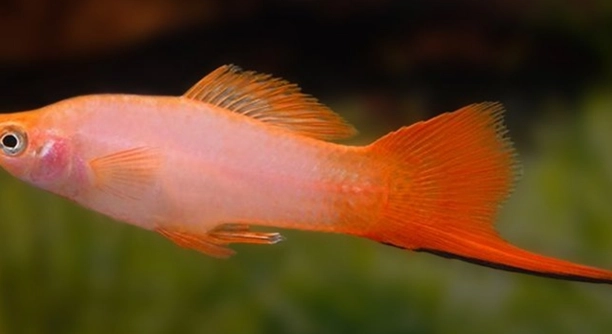
When keeping swordtails, their social behaviors and interactions with tankmates may raise questions. A common inquiry is whether swordtails notice when one of their companions dies, and how they respond to the loss.
Swordtails, like many fish species, can sense changes in their environment, including the absence of a tankmate. While they may not mourn as humans do, their behavior can reflect the loss through changes in swimming patterns or increased aggression.
Understanding how swordtails react to tankmates’ deaths provides insight into their social structure and behavior. The way they adapt can help ensure a balanced, healthy aquarium environment.
Do Swordtails Have Social Bonds?
Swordtails are naturally social fish and prefer to live in groups. They tend to form loose social structures, where interactions like swimming together, chasing, and sometimes displaying aggression are part of their daily routine. These behaviors can signal their level of comfort within their group. Swordtails often stick to the same tankmates for extended periods, showing a sense of familiarity. When a tankmate dies, the absence of a familiar fish can create noticeable changes in the group’s behavior. This adjustment can range from increased stress among the remaining swordtails to more aggressive behaviors as they attempt to re-establish social order.
Swordtails do not seem to experience loss in the same way humans do, but their environment becomes altered. The death of a tankmate may disrupt their daily activities. It’s essential to monitor the group for any significant changes in behavior after a loss to ensure a balanced atmosphere in the aquarium.
If swordtails are kept in groups with a strong social bond, it’s possible that they notice when a companion is no longer around. Their behavior can reflect this awareness. They may become more reserved or show signs of anxiety for a time, often staying near the spot where the deceased fish used to be. In some cases, swordtails may seem to search the tank as if looking for their lost tankmate. This change could also affect their interactions with other fish, as they might adjust their social behavior, either becoming more dominant or shy. This behavior is typical in many fish species, where the absence of a group member causes a temporary shift in their social dynamics.
How Long Does It Take for Swordtails to Adjust?
Swordtails may need a few days to a week to adjust to the loss of a tankmate. This period allows them to recalibrate their social behaviors and settle into the new routine. However, the time it takes varies.
The adjustment period depends on the swordtail’s personality and its relationship with the deceased tankmate. Some swordtails will take longer to adapt, especially if they were close to the lost fish. During this time, they might display unusual behaviors like hiding or staying in one area of the tank. Others will quickly adjust and continue interacting with other tankmates. While they might not mourn, the death of a fish can create temporary changes in their environment that lead to a shift in their interactions. A stable environment and regular care can help the remaining fish adjust faster and return to normal behavior.
Swordtail Behavior After the Death of a Tankmate
When a swordtail loses a tankmate, its behavior can change. You might notice them swimming more erratically or staying in one spot. This change happens because they are adjusting to the loss of a familiar presence.
Swordtails can show signs of stress, such as hiding more frequently or avoiding certain areas of the tank. These behaviors are often temporary and tend to fade once the fish settle into their new social dynamic. It’s important to keep an eye on their well-being during this time. Regular water changes and monitoring their overall health can ensure they recover from the disruption.
Aggression can also increase among swordtails after the loss of a tankmate. Some swordtails might fight for dominance or territory, especially if they feel insecure. In smaller tanks, this can escalate quickly, so making sure there is enough space and hiding spots for each fish can help maintain harmony.
Impact on Other Fish in the Tank
When a swordtail dies, it can affect the other fish in the tank. Fish like guppies, mollies, and tetras that share the same space might also experience a change in behavior. They may act more anxious or show a lack of interest in their usual activities.
This impact is particularly noticeable in species that interact closely with swordtails. They might swim around the tank more nervously, or in some cases, become more territorial as the swordtail’s absence leaves a gap in the social structure. Over time, the remaining fish usually settle into the new arrangement. Adding a new fish can help maintain the balance of the group and provide a fresh dynamic. However, introducing new tankmates too soon can lead to more stress and aggression.
How to Help Swordtails Adjust After a Loss
To help swordtails adjust, keep the tank environment stable. Regular water changes and proper filtration can reduce stress. Adding plants or decorations provides hiding spots, which may comfort the fish during the adjustment period.
It’s also important to avoid sudden changes in the tank. Keep the lighting consistent and maintain a feeding schedule. This creates a sense of security for the swordtails. Adding a new companion too soon might cause additional stress, so give them time to adapt to the absence.
The Role of Tank Size in Social Dynamics
Tank size plays a significant role in how swordtails and other fish interact after a tankmate dies. In smaller tanks, the remaining fish have less space to move around and may feel more stressed. In larger tanks, swordtails have more room to establish new territories, which can help reduce tension.
The additional space allows the remaining fish to maintain their social structures without feeling crowded. It’s important to ensure there are enough hiding places and plants to break up sightlines. This creates more opportunities for the fish to feel secure and settle into their new environment. A larger tank can make the transition smoother for the remaining fish.
FAQ
Do swordtails grieve when a tankmate dies?
Swordtails do not experience grief in the same way humans do. While they may notice the absence of a tankmate, their behavior typically reflects stress or confusion rather than mourning. They might swim more erratically or stay close to where the deceased fish used to be. These changes are temporary and will likely fade once they adjust to the new tank environment. Swordtails’ social structures are flexible, and they can usually adapt quickly to a missing member.
Can swordtails get depressed after the death of a tankmate?
Swordtails do not suffer from depression in the same way mammals do. However, they can experience stress and changes in behavior when they lose a companion. If they had a close bond with the deceased fish, they might display signs of anxiety, such as hiding more often or swimming aimlessly. These behaviors are typically short-lived. Over time, swordtails will likely resume their usual activities as the social structure of the tank is re-established.
How can I tell if my swordtail is stressed after a tankmate dies?
Stressed swordtails may display a variety of signs. These include swimming more erratically, staying in one spot for long periods, or avoiding other fish. They may also stop eating or show aggressive behavior. Increased hiding is another common sign of stress. If these behaviors persist, it’s important to assess water quality, ensure there are enough hiding spots, and consider giving the fish time to adjust. Sometimes, adding new plants or decorations can provide additional security for them.
Is it a good idea to add a new tankmate after a swordtail dies?
It’s generally best to wait a while before introducing a new tankmate after a swordtail dies. Swordtails need time to adjust to the loss and re-establish their social dynamics. Introducing a new fish too soon could cause additional stress and lead to territorial disputes. It’s recommended to monitor the remaining fish for a week or two before deciding to add a new tankmate. If you do choose to add another swordtail or compatible fish, ensure the tank is large enough to prevent overcrowding.
How long does it take swordtails to adjust to the loss of a tankmate?
The adjustment period for swordtails can vary, but typically it takes a few days to a week for them to adjust to the absence of a tankmate. The time required depends on the individual fish and the size of the group. In a well-maintained tank, with stable water conditions and plenty of hiding spots, swordtails may adjust more quickly. It’s important to observe their behavior during this period and ensure they are eating and swimming normally.
Will swordtails stop interacting with the other fish after a tankmate dies?
Swordtails may initially stop interacting with other fish after the death of a tankmate. This behavior often reflects confusion or stress, as the remaining fish adjust to the changed social structure. Over time, however, they typically resume normal interactions with other fish in the tank. The presence of compatible tankmates can encourage social behaviors, so swordtails may begin to form new bonds with the remaining fish.
Should I remove the deceased swordtail from the tank immediately?
Yes, it’s important to remove a deceased swordtail from the tank as soon as possible. A dead fish can quickly degrade in water, leading to poor water quality. Decomposing fish can also spread harmful bacteria, which may cause further stress to the remaining fish. It’s essential to check the tank for any signs of water quality issues and perform a water change if necessary after removing the deceased fish.
How can I prevent stress-related behavior in swordtails after a loss?
To reduce stress in swordtails after a tankmate dies, maintain a stable environment. Ensure the water quality remains optimal with regular water changes and proper filtration. Adding plants, rocks, or decorations can provide hiding spots and make the remaining fish feel more secure. Avoid making other changes in the tank during this time, as consistency will help swordtails adjust more smoothly. Keep an eye on their feeding habits and overall behavior to ensure they are recovering well.
Can swordtails live alone after losing a tankmate?
Swordtails can live alone, but they are social fish and thrive in groups. While they can survive without a tankmate, it’s better to keep them with others to reduce stress and promote natural behaviors. If a swordtail is the last of its group, consider adding compatible tankmates, such as other swordtails or peaceful fish. However, make sure the tank size is appropriate for the number of fish to avoid overcrowding and territorial issues.
What other fish can swordtails live with after losing a tankmate?
After losing a tankmate, swordtails can live with other peaceful and compatible fish. Species like mollies, platies, guppies, and tetras are good choices. It’s important to ensure that the new tankmates are of similar size and temperament to avoid aggressive interactions. Be mindful of the water parameters and the needs of each species. Giving swordtails time to adjust before adding new fish will help create a balanced and peaceful environment.
Final Thoughts
Swordtails are resilient fish that can adapt to changes in their environment, including the loss of a tankmate. While they may experience some stress after a death, their social structures are flexible, and they usually recover fairly quickly. The key to helping them through this transition is maintaining a stable and calm environment. This includes keeping water quality high, providing hiding spots, and ensuring there are no sudden changes to their surroundings. Swordtails are social creatures, but with proper care, they can adjust to a new tank dynamic over time.
It’s important to monitor the remaining swordtails for any signs of unusual behavior, such as erratic swimming or loss of appetite. These are common stress responses and usually subside as the fish adapt to the absence of their tankmate. Giving them time to adjust is crucial. During this period, it’s also helpful to avoid introducing new fish right away, as this can create additional stress. Patience is key, and once the swordtails feel comfortable in their new environment, their behavior should return to normal.
Ultimately, the health and well-being of your swordtails depend on your ability to maintain a stable and supportive environment. By keeping the tank conditions consistent and minimizing stress, you ensure that the remaining fish can adapt without lasting negative effects. If you decide to introduce new fish, do so cautiously and give the swordtails time to readjust. With proper care, your swordtails will thrive even after the loss of a tankmate.

Hello,
If you enjoy the content that we create, please consider saying a "Thank You!" by leaving a tip.
Every little bit helps us continue crafting quality advice that supports the health, happiness, and well-being of pets around the world, for pets of all shapes, sizes, and species.
We really appreciate the kindness and support that you show us!