
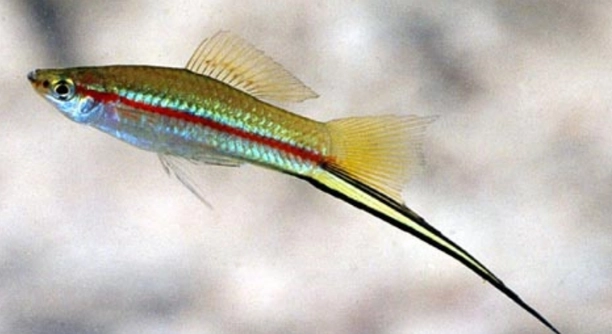
Swordtails are vibrant and popular fish in many aquariums. As with all pet fish, providing a balanced diet is essential to their health. A varied diet may help ensure they get the right nutrients for thriving in your tank.
A varied diet is important for swordtails to meet their nutritional needs. While they can survive on basic fish food, offering a mix of flakes, pellets, and live or frozen foods will promote better health and vibrant coloration.
Understanding swordtail nutrition and diet variety can improve their quality of life. Proper care ensures your fish remain healthy and active for longer periods.
Why Swordtails Need a Varied Diet
Swordtails are known for their bright colors and active nature. In order to maintain these qualities, they require a diet that provides the right balance of nutrients. A single food type may not meet all of their dietary needs, which can lead to deficiencies over time. By offering a variety of foods, you ensure they get essential proteins, vitamins, and minerals. This approach helps to keep them healthy, vibrant, and full of energy.
The different types of food include flake food, pellets, and live or frozen foods. These options provide swordtails with the variety they need for optimal growth and coloration. A healthy, varied diet also reduces the risk of health issues, ensuring your fish live a long and happy life.
Variety in diet can also encourage natural foraging behavior, helping swordtails feel more comfortable and active in their aquarium. Offering a mix of foods keeps them mentally stimulated and adds a bit of excitement to their feeding routine.
Types of Foods to Include
Offering a variety of foods is key to swordtail health. You can include flakes, pellets, and live or frozen options like brine shrimp.
Flake food is convenient and often contains a good balance of nutrients. However, swordtails can quickly become bored with the same meal every day. Including pellets will add variety and can help with their digestion. Live or frozen foods like bloodworms or daphnia provide extra protein and stimulate natural hunting instincts, which can contribute to their overall well-being. Feeding swordtails a combination of these foods can keep them excited and engaged, ensuring they thrive in your tank.
The Benefits of Live or Frozen Foods
Live or frozen foods, like brine shrimp or bloodworms, offer a boost in nutrition for swordtails. These foods are packed with protein, encouraging growth and vibrant colors. They also mimic natural feeding behaviors, promoting more active and engaging interactions in the tank.
Feeding swordtails live or frozen foods a few times a week enhances their overall health. These foods contain essential fatty acids and nutrients that are hard to replicate in flakes or pellets. They help swordtails build muscle, support their immune systems, and improve their coloration. In addition, live food encourages natural hunting behavior, which can relieve stress and keep them mentally stimulated.
While live or frozen foods are beneficial, they should not be the sole source of nutrition. It’s important to maintain balance by offering these foods along with other types of food to ensure a well-rounded diet. Over-relying on live or frozen foods could lead to nutrient imbalances or potential health issues.
Importance of Vegetation in Their Diet
Swordtails also benefit from occasional plant-based foods. These foods provide essential vitamins and fiber, helping with digestion. Adding greens to their diet promotes a balanced intake of nutrients.
Incorporating vegetables like spinach or algae wafers helps swordtails mimic a natural diet. Swordtails are omnivores and will often nibble on plant matter in the wild. Offering leafy greens or plant-based foods can promote digestive health and reduce the risk of constipation or other gastrointestinal problems. Additionally, vegetation can help keep the tank clean by absorbing excess nutrients that could contribute to algae growth.
Including vegetables also gives your swordtails a more varied and interesting diet. By rotating between plant-based foods and protein-rich offerings, you can ensure they receive a complete nutritional profile.
Feeding Frequency
Swordtails thrive on consistent feeding schedules. Offering food once or twice a day is sufficient for most. It’s important not to overfeed, as this can lead to poor water quality and health issues.
Feeding your swordtails too much can cause excess waste in the tank, which deteriorates water quality. By sticking to a regular feeding routine, you allow your fish to digest their food properly. A consistent schedule also helps swordtails maintain a healthy metabolism. This routine is easy to follow and helps avoid any potential issues caused by overfeeding.
Avoiding Overfeeding
Overfeeding can quickly cause water quality problems and stress for swordtails. It’s essential to feed only what they can eat in a few minutes. Leftover food should be removed promptly.
Ensuring you don’t overfeed swordtails also prevents the growth of harmful bacteria and algae in the tank. Any uneaten food breaks down and affects the water, causing imbalances that could harm your fish. Monitoring how much food you provide helps maintain a cleaner tank and healthier environment. By sticking to the proper feeding amounts, swordtails will be able to thrive without excess waste.
FAQ
Do swordtails need live food to thrive?
Swordtails do not need live food to survive, but offering live or frozen foods can significantly enhance their health. Live foods, like brine shrimp or bloodworms, are rich in protein, which promotes vibrant colors and strong growth. They also stimulate natural hunting behaviors, keeping swordtails active and mentally engaged. However, it’s important to balance live food with flakes and pellets to ensure they receive a well-rounded diet. Too much live food may lead to nutritional imbalances, so offering it a few times a week is ideal for maintaining swordtail health.
Can swordtails eat only flake food?
While swordtails can survive on flake food alone, it is not ideal for their overall well-being. Flake food is convenient but doesn’t always provide the full range of nutrients needed. A diet based solely on flakes may lead to deficiencies in vitamins, minerals, or proteins, which can affect the fish’s health and appearance. To keep swordtails in optimal condition, it’s best to offer them a varied diet that includes flakes, pellets, and occasional live or frozen foods.
How often should swordtails be fed?
Swordtails should be fed once or twice a day, depending on their age and activity level. Young or highly active swordtails may require more frequent feedings, while adults can typically manage with a single meal each day. It’s important to offer only what they can eat in a few minutes to prevent overfeeding. Uneaten food can quickly deteriorate water quality, which can lead to health issues. Regular feeding ensures swordtails get the nutrition they need without overloading the tank with waste.
Are there any foods swordtails should avoid?
Swordtails should avoid foods that are high in fat, low in nutrition, or inappropriate for their digestive systems. Processed human food like bread, chips, or fatty meats can cause digestive issues and lead to poor health. Additionally, some fish food may contain harmful preservatives or artificial colorants that can negatively affect swordtails. Stick to high-quality fish food, and avoid offering them foods that could potentially pollute their environment or disrupt their digestion.
Can swordtails eat vegetables?
Yes, swordtails can eat vegetables. While they are omnivores, they enjoy nibbling on plant matter, which can aid in digestion and provide essential nutrients. Leafy greens like spinach or lettuce, as well as algae wafers, are great options. Vegetables provide fiber and vitamins that are essential for their overall health. Offering plant-based foods a few times a week ensures that swordtails have a balanced diet, preventing issues such as constipation or digestive distress. Just be sure to remove any uneaten vegetables from the tank to avoid water quality problems.
What is the best diet for swordtail fry?
Swordtail fry require a specialized diet to support their rapid growth and development. Initially, they can be fed with finely crushed flake food or baby fish food. Once they are a little older, you can introduce small live foods like brine shrimp or daphnia, which are rich in protein. Fry need frequent feedings, about 3 to 4 times a day, with small portions. This ensures they get the nutrition necessary for healthy growth and vibrant coloration. As they grow, you can gradually increase the size and variety of their diet.
How can I tell if my swordtails are overfed?
Signs of overfeeding in swordtails include excess waste in the tank, bloating, and sluggish behavior. Overfed fish may become lethargic and have difficulty swimming. Additionally, overfeeding leads to uneaten food sinking to the bottom, which can cause water quality problems. If you notice these symptoms, reduce the amount of food you offer and monitor your swordtails closely. Ensure that they are consuming their food within a few minutes and remove any leftovers promptly to keep the tank clean.
Can swordtails eat frozen food?
Frozen food is a great option for swordtails, and they can benefit from it just as much as live food. Frozen foods like bloodworms, daphnia, and brine shrimp are packed with protein and nutrients. Freezing these foods helps preserve their nutritional value, making them a convenient and safe option for feeding. Just be sure to thaw the frozen food before offering it to your fish. Offering frozen food a few times a week will add variety to their diet and support their health.
What types of pellets are best for swordtails?
When choosing pellets for swordtails, look for high-quality options that are rich in protein and vitamins. Pellets designed for omnivorous fish are ideal since swordtails eat both plant and animal matter. The pellets should sink slowly to allow the fish time to eat without overcrowding. Avoid pellets that are high in fillers or artificial additives, as these may not provide the necessary nutrition for swordtails. Look for reputable brands that prioritize quality ingredients to ensure your swordtails receive the best possible diet.
Do swordtails need any special supplements?
In most cases, swordtails do not need special supplements if they are fed a balanced and varied diet. High-quality fish food typically contains all the necessary vitamins and minerals. However, if your swordtails are not eating a varied diet or have specific health issues, you may consider adding supplements like vitamin or mineral powder. These can be added to the water or mixed into their food. It’s always best to consult with a veterinarian or aquarist before introducing supplements to ensure you’re meeting the specific needs of your swordtails.
Final Thoughts
Maintaining a healthy diet for your swordtails is crucial for their long-term well-being. By providing a varied diet that includes high-quality flakes, pellets, and occasional live or frozen foods, you ensure they get the essential nutrients they need. A balanced diet not only supports their growth and vibrant colors but also helps them stay active and healthy. Regularly offering plant-based foods, like leafy greens, can also enhance their digestion and overall health. Swordtails are omnivores, so they thrive on a mix of animal protein and plant matter.
It’s equally important to feed them the right amount and avoid overfeeding. Swordtails, like many fish, are prone to health problems if their diet isn’t carefully monitored. Overfeeding leads to waste accumulation in the tank, which can harm water quality and result in stress or illness for your fish. Feeding them small amounts they can consume in a few minutes helps avoid excess food that could spoil the water. Regular feeding schedules are best to maintain a steady, healthy routine for your swordtails, keeping them well-fed without overloading the tank.
By considering their natural feeding habits and offering a variety of foods, you’ll create an environment where your swordtails can thrive. It’s essential to observe how your swordtails respond to different foods and adjust their diet as needed. This helps avoid nutritional imbalances and ensures they stay healthy. Regular maintenance of water quality and proper feeding habits go hand-in-hand for optimal fish care. With attention to their diet, your swordtails will grow strong, healthy, and enjoy their time in your tank.

Hello,
If you enjoy the content that we create, please consider saying a "Thank You!" by leaving a tip.
Every little bit helps us continue crafting quality advice that supports the health, happiness, and well-being of pets around the world, for pets of all shapes, sizes, and species.
We really appreciate the kindness and support that you show us!