
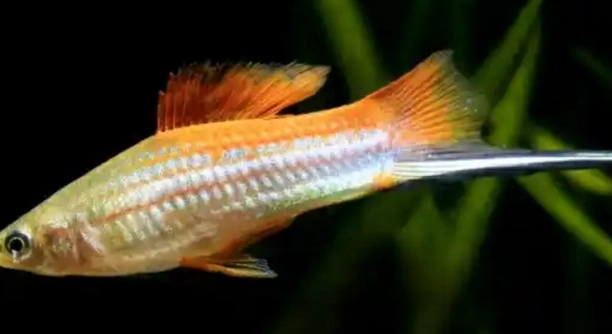
Swordtails are popular freshwater fish known for their vibrant colors and active nature. These fish are often kept in home aquariums, where many fish owners wonder if swordtails need tankmates to live happily and healthily.
Swordtails can thrive both alone and with tankmates. However, they benefit from being kept with compatible species, as they are social and active fish. Tankmates provide stimulation and reduce stress, contributing to their overall well-being and longevity.
Choosing the right companions can make a difference in the overall happiness of your swordtails. Understanding which species are suitable for cohabitation ensures a peaceful and thriving aquarium environment for all.
Swordtail Tankmates: Why Compatibility Matters
When choosing tankmates for your swordtails, compatibility is crucial. Swordtails are peaceful but active fish that enjoy swimming in schools and interacting with others. They prefer being in tanks with fish that are similarly non-aggressive and that have similar water and temperature needs. Species like guppies, mollies, and platies work well with swordtails because they share similar environmental requirements and temperaments. The size of the tank also matters—ensuring there’s enough space for all fish to swim comfortably can help prevent territorial issues.
If swordtails are kept with incompatible species, they may become stressed or exhibit aggression. Stress can weaken their immune systems, making them more vulnerable to disease. Aggression from tankmates can also cause injury, leading to long-term health problems. Choosing peaceful and similarly sized fish will promote harmony and reduce the likelihood of such issues arising.
Before adding tankmates, always research the specific needs of both your swordtails and the species you’re considering. Make sure their environmental and behavioral needs align to ensure a peaceful tank environment. Properly chosen companions can enhance the health of your swordtails, allowing them to thrive in a community setting.
Other Considerations for a Healthy Swordtail Tank
Maintaining the right water conditions for swordtails is essential. These fish thrive in a well-maintained environment with a consistent water temperature of 72-78°F and a neutral pH level.
Choosing the Right Tankmates for Swordtails
When selecting tankmates for swordtails, prioritize peaceful, non-aggressive species. Fish like guppies, mollies, and platies are ideal because they share similar temperament and environmental needs. Avoid overly territorial or aggressive species that could cause stress or harm.
Swordtails generally prefer calm tankmates, as their active nature can clash with more aggressive fish. Additionally, they enjoy schooling with their kind, so having multiple swordtails can provide social benefits. However, if you’re considering other species, make sure they won’t compete for food or space. A compatible environment enhances their well-being.
Consider the size of your tank before adding any tankmates. Overcrowding can increase aggression and stress. A well-planned community tank allows swordtails to thrive without feeling threatened by larger or more dominant fish.
Monitoring Tankmate Behavior
Once you’ve chosen your tankmates, pay attention to how they interact. Even compatible species may show signs of aggression or stress over time. Look out for fin nipping or fish that hide excessively, which are signs of discomfort.
Swordtails need space to swim and explore, so overcrowding can create tension. Keep an eye on their activity level, making sure all fish have room to swim freely. If aggression becomes an issue, it may be necessary to rearrange the tank or separate more dominant fish. Maintaining a balanced, stress-free environment promotes long-term health and happiness for all your fish.
Swordtail Care with Tankmates
Swordtails are relatively low-maintenance fish, but adding tankmates can introduce new care needs. Regular water changes, proper filtration, and consistent water temperature are essential to keep both swordtails and their tankmates healthy.
Tankmates can introduce more waste into the tank, so keeping an eye on water quality is vital. Over time, waste buildup can cause ammonia spikes, which are harmful to fish. Regular maintenance ensures a clean environment for all species involved.
Be sure to monitor water parameters closely when introducing new tankmates to ensure they can adapt to your tank’s conditions. Keeping the water pristine will prevent health issues for all inhabitants.
Tank Size for Swordtails and Their Tankmates
The ideal tank size for swordtails and their tankmates depends on the number and size of the fish. A 20-gallon tank is suitable for a small community, but larger tanks are recommended for bigger groups or additional species.
When stocking the tank, always follow the one-inch-per-gallon rule for community setups. Swordtails grow up to 4 inches, so a tank with a good amount of swimming space is essential to avoid overcrowding. If you’re planning on adding more species, a larger tank will help ensure everyone has enough space to thrive.
Compatibility with Other Freshwater Fish
Swordtails are peaceful fish that tend to get along with other non-aggressive freshwater species. They make good companions for other calm fish like neon tetras, danios, or Corydoras catfish.
However, avoid species known for aggression or territorial behavior, as this can cause stress for swordtails. Even peaceful species should be watched initially to ensure they are not competing for food or space, which could lead to stress or aggression.
FAQ
Do swordtails need other fish to thrive?
Swordtails are social fish and can benefit from having tankmates. While they can live alone, having compatible tankmates reduces stress and adds stimulation. However, they don’t necessarily depend on other fish to thrive. Swordtails are hardy and adaptable but are happiest in a community setting with peaceful species that share similar environmental needs.
What fish are compatible with swordtails?
Swordtails get along well with other peaceful, non-aggressive fish. Good companions include mollies, guppies, platies, and other livebearers. Other species like Corydoras catfish, neon tetras, and danios also work well. Avoid aggressive species like bettas or larger cichlids that may intimidate or harm swordtails.
How many swordtails should be kept together?
Swordtails are social fish that prefer being in groups. A group of at least three swordtails is recommended, though keeping more will encourage schooling behavior and reduce stress. A small group of swordtails can comfortably live in a 20-gallon tank, while larger groups may need more space.
Can swordtails live with goldfish?
Swordtails and goldfish are generally not ideal tankmates. Goldfish require colder water temperatures, while swordtails need warmer water to thrive. Additionally, goldfish can be slow swimmers, making it difficult for swordtails to get food. Their differing care requirements make them incompatible for long-term cohabitation.
What is the best tank size for swordtails and their tankmates?
For swordtails, a minimum tank size of 20 gallons is recommended. This allows enough space for a group of swordtails and a few compatible tankmates. For larger groups or additional species, consider a 30-gallon or larger tank. More space helps reduce stress and prevents overcrowding.
Can swordtails live with shrimp or snails?
Swordtails can live with peaceful shrimp and snails, though they may occasionally nibble on small shrimp, especially if the shrimp are smaller than the swordtails. Larger shrimp, like Amano shrimp, are usually safe with swordtails. Snails, such as nerite snails, also make good tankmates since they help with algae control.
What should I feed swordtails when kept with tankmates?
Swordtails are omnivores and will eat a variety of foods. A balanced diet includes high-quality flake food, frozen or live foods such as brine shrimp or bloodworms, and occasional plant matter like algae. When feeding swordtails with tankmates, make sure everyone gets their share of food, as swordtails can be more active at feeding time.
Are swordtails aggressive toward other fish?
Swordtails are generally peaceful but can show aggression if they feel crowded or stressed. Males may become territorial, especially during mating seasons, but overall, swordtails are not considered aggressive. Their active and social nature makes them ideal for community tanks with other non-aggressive species.
How often should I change the water for swordtails and their tankmates?
Regular water changes are essential for maintaining a healthy tank. For swordtails and their tankmates, perform a 20-30% water change every week to maintain water quality. More frequent changes may be needed in heavily stocked tanks or if the water quality degrades quickly. Always test water parameters to ensure a stable environment.
Can swordtails breed with other fish?
Swordtails can breed with other livebearers, such as platies and mollies, since they are from the same family. While the offspring may be hybrids, this is not recommended, as it can lead to unexpected characteristics in the young. It’s best to keep swordtails with their own kind to maintain their pure breeding line.
Do swordtails eat their own fry?
Yes, swordtails will eat their fry if given the chance. To prevent this, you can separate the pregnant females into a breeding box or a separate tank. This gives the fry a better chance of survival, as adult swordtails may view them as food.
How can I tell the gender of my swordtails?
Male swordtails have a longer, sword-like extension on their tail fin, which gives them their name. Females are generally larger and rounder with a shorter tail. Males also tend to have more vibrant colors than females. You can also notice behavioral differences, as males are more active and chase females during breeding.
Are swordtails prone to any diseases when kept with tankmates?
Swordtails, like other fish, can be susceptible to diseases such as ich, fin rot, or swim bladder issues. Keeping the tank clean, maintaining water quality, and avoiding overcrowding are key to preventing illness. Introducing new fish slowly and quarantining them before adding them to the tank can also help prevent disease transmission.
Final Thoughts
Swordtails are hardy and adaptable fish, making them a great choice for both beginners and experienced aquarium hobbyists. Their peaceful nature and active behavior allow them to thrive in community tanks with other non-aggressive species. While swordtails can live on their own, they tend to do better in groups and with compatible tankmates. Keeping a well-planned, balanced tank environment ensures that swordtails and their tankmates stay healthy and happy. It’s important to choose species that share similar care requirements, including water temperature, pH, and tank size.
A well-maintained tank is key to preventing issues when keeping swordtails with other fish. Overcrowding and poor water quality can stress the fish, leading to aggression, illness, or reduced lifespan. Regular water changes, monitoring water parameters, and feeding a balanced diet help keep all tank inhabitants in good health. Swordtails are not particularly demanding, but like any fish, they require the proper environment to thrive. Watching their behavior and adjusting the tank setup as needed can go a long way in ensuring their well-being.
When it comes to choosing tankmates for swordtails, always consider the temperament and size of potential companions. Species like mollies, platies, and guppies are usually compatible, but it’s important to avoid aggressive or territorial fish that might cause stress. A peaceful community tank benefits everyone, allowing all species to coexist peacefully. With proper care, swordtails can live for several years and continue to bring color and movement to your aquarium. Whether you’re a seasoned aquarist or just starting, swordtails are a great addition to any freshwater tank.

Hello,
If you enjoy the content that we create, please consider saying a "Thank You!" by leaving a tip.
Every little bit helps us continue crafting quality advice that supports the health, happiness, and well-being of pets around the world, for pets of all shapes, sizes, and species.
We really appreciate the kindness and support that you show us!