
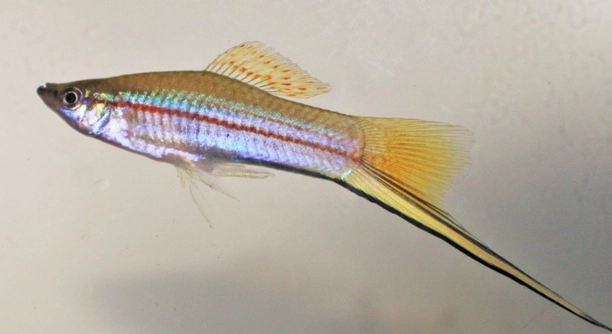
Swordtails are popular aquarium fish, known for their vibrant colors and active behavior. As with any aquarium, setting up the right environment is key to their well-being. One aspect of care to consider is filtration.
Swordtails generally benefit from having a filter in their aquarium. A filter helps maintain water quality by removing debris and harmful toxins. This ensures a healthier environment, which is crucial for their long-term health and reduces the need for frequent water changes.
With proper filtration, your swordtails will thrive in a cleaner, more stable environment. This setup will not only enhance their health but also make tank maintenance easier.
Do Swordtails Need a Filter?
When setting up a tank for swordtails, a filter plays a crucial role in keeping their environment healthy. Swordtails produce waste that can build up quickly, leading to poor water quality. Without a filter, harmful substances like ammonia and nitrates can accumulate, causing stress and illness. The filter works by removing debris, uneaten food, and toxins, ensuring the water stays clean and safe for your fish. Swordtails are active swimmers, and a clean tank will help them feel more comfortable. Regular filtration also makes water changes less frequent and easier to manage.
The type of filter you choose should be appropriate for the size of the tank and the number of swordtails. A filter with adjustable flow can help you control the water movement, which is important for swordtails that prefer calm waters. Make sure the filter is not too strong, as high flow can stress out the fish.
A filter is essential for maintaining water clarity and ensuring the well-being of your swordtails. They thrive in stable conditions, and proper filtration helps you achieve that. Even if you are new to fishkeeping, investing in a good filter will simplify tank maintenance. You’ll have healthier fish and an easier time keeping the aquarium clean.
Choosing the Right Filter for Swordtails
Selecting the right filter is important for the health of your swordtails. Consider a filter that matches the size of your tank and your fish’s needs.
The filter you choose should be suitable for the size of your aquarium. Swordtails can live in tanks ranging from 20 to 55 gallons. For a tank of this size, a hang-on-back (HOB) filter or a sponge filter can be effective options. HOB filters are easy to install and maintain, while sponge filters are gentle and ideal for smaller tanks. Both types help remove waste and debris without disturbing the water too much. However, you must ensure that the filter has the right flow rate for your tank. Swordtails can get stressed if the current is too strong, so selecting a filter with adjustable flow control is a good idea. This way, you can provide the ideal conditions for your swordtails to thrive.
Importance of Proper Water Flow for Swordtails
Water flow is a key factor in swordtail tank setups. Too much current can stress them out, while too little may affect water filtration. Adjusting the filter’s flow rate to create a gentle, steady current is ideal for these fish. This will help them feel comfortable and reduce the risk of disease.
Swordtails generally prefer calmer waters. A strong filter flow can cause them to swim erratically, leading to exhaustion and stress. Additionally, if the water moves too quickly, it may push debris to one area of the tank, preventing effective filtration. The goal is a flow that keeps the water clean but doesn’t disrupt the swordtails’ natural behavior. A filter with adjustable flow control will allow you to tailor the current to the needs of your fish. This ensures both optimal filtration and a calm environment.
Consider positioning the filter outlet in a location where it won’t directly blast your fish. You can create areas of low flow by placing decorations or plants to shield your swordtails from direct current. This allows them to swim freely without discomfort, enhancing their well-being.
Regular Maintenance and Cleaning
Cleaning the filter is essential to keeping the water quality high. Regular maintenance prevents the filter from clogging and ensures it functions effectively. You should clean the filter media about once a month or when it shows signs of buildup. This simple step will keep your tank environment stable.
To clean the filter, remove the media and rinse it gently in tank water. Avoid using tap water, as it may kill beneficial bacteria. If your filter has mechanical components like sponge filters, rinse those as well to remove debris and waste. Cleaning the filter will also help you assess its overall condition, ensuring it continues to perform efficiently.
While cleaning the filter, it’s a good idea to check for any signs of wear and tear. If the filter is making strange noises or the water flow seems reduced, it might be time for a replacement. Keeping the filter in good working order is crucial for swordtail health. A well-maintained filter will support clean, clear water, allowing your swordtails to thrive.
Do Swordtails Need a Heater?
Swordtails prefer warmer water temperatures between 72°F and 78°F. Without a heater, it can be hard to maintain a stable temperature, especially if the room temperature fluctuates. A heater will keep the tank in the ideal range, promoting healthier fish.
A heater is an important addition to any swordtail tank. If the water gets too cold, swordtails can become stressed, weakening their immune system and making them more susceptible to illness. This can also cause them to become lethargic, affecting their feeding and overall behavior. By maintaining a stable, warm environment, swordtails will be more active and thrive.
Ensure that you choose a reliable heater for the size of your tank. Adjustable heaters are especially useful for keeping the temperature within the ideal range. It’s also important to regularly check the water temperature with a thermometer, as heaters can sometimes malfunction.
Swordtail Tank Setup Tips
When setting up your swordtail tank, make sure it’s properly sized for the number of fish. A minimum of 20 gallons is recommended for a small group of swordtails. Overcrowding can lead to stress and poor water quality.
Swordtails are active and enjoy swimming, so it’s important to provide enough space for them to move around. You can add plants, rocks, and decorations to create hiding spots, but ensure that these don’t take up too much swimming space. Swordtails prefer a tank with plenty of open water. This setup encourages them to swim freely and stay healthy.
Also, make sure to include both male and female swordtails to reduce stress. Males can become aggressive if they don’t have females to court, which can cause problems in your tank setup. Providing a balanced male-to-female ratio will keep the peace.
Water Changes and Maintenance
Regular water changes are necessary for keeping your swordtails healthy. Aim for a 20-30% water change every one to two weeks, depending on the tank’s size and stocking level.
Changing the water helps remove built-up toxins and maintain water quality. Always use dechlorinated water when adding fresh water to the tank. Chlorine can harm both your fish and beneficial bacteria. To make the process easier, use a siphon to remove waste from the substrate and clean any algae buildup on the tank walls.
FAQ
Do swordtails need a filter?
Yes, swordtails do need a filter. A filter helps maintain water quality by removing waste, uneaten food, and harmful toxins. Without proper filtration, harmful substances like ammonia and nitrites can build up, which can cause stress or illness in swordtails. A good filter also helps keep the water clean, reducing the need for frequent water changes.
What type of filter is best for swordtails?
The best filter for swordtails is one that provides adequate filtration without creating too much current. A hang-on-back (HOB) filter is a popular option for medium to large tanks. For smaller tanks, a sponge filter can be an ideal choice since it offers gentle filtration. The key is to ensure that the filter is sized correctly for the tank and has an adjustable flow rate to control water movement, which is important for the comfort of your swordtails.
Can swordtails live without a heater?
Swordtails can technically survive without a heater, but they thrive in a warm, stable environment. The water temperature should ideally be between 72°F and 78°F (22°C to 26°C). In colder temperatures, swordtails can become stressed, which weakens their immune system and makes them more prone to disease. A heater helps maintain a constant temperature and supports their overall health.
How often should I clean my swordtail tank?
Cleaning your swordtail tank should be done regularly to maintain water quality. You should perform partial water changes of about 20-30% every 1-2 weeks. In addition to water changes, clean the substrate, remove excess algae, and rinse the filter media in tank water to remove debris. Regular maintenance will keep the environment healthy and prevent build-up of harmful toxins.
What size tank is best for swordtails?
A minimum of 20 gallons is recommended for a small group of swordtails. For more swordtails, or if you plan to add additional fish, a 30 to 55-gallon tank is ideal. Swordtails are active swimmers and need space to move freely. Overcrowding can lead to stress, poor water quality, and aggressive behavior.
How many swordtails can live in a 20-gallon tank?
In a 20-gallon tank, you can comfortably keep about 4-6 swordtails. If you plan to have a mix of males and females, aim for a ratio of 2 females for every male to prevent aggression. Overcrowding can result in stress, water quality issues, and health problems for your fish, so it’s important to avoid adding too many.
What should I feed swordtails?
Swordtails are omnivores and will eat both plant and animal matter. A balanced diet includes high-quality fish flakes or pellets, along with occasional treats like bloodworms, brine shrimp, or vegetable matter such as spinach or zucchini. Be sure to offer a variety of foods to ensure they get all the necessary nutrients. Avoid overfeeding, as uneaten food can pollute the water.
Are swordtails aggressive?
Swordtails can be territorial, especially the males, and may show aggression toward other males or fish that resemble them. To reduce aggression, it’s best to have a higher ratio of females to males in the tank. Providing plenty of hiding spots and plants also helps minimize stress and territorial behavior. However, swordtails are generally peaceful and can live harmoniously with other non-aggressive fish.
How do I breed swordtails?
Breeding swordtails is relatively easy. You only need one male and one female, but it’s best to have several females to reduce stress on the males. Swordtails give birth to live young, so you don’t need to worry about egg care. Make sure the female has a quiet, stress-free environment to give birth. Once the fry are born, provide plenty of hiding places and feed them small, finely crushed food until they grow large enough to eat regular fish food.
What temperature do swordtails need?
Swordtails prefer water temperatures between 72°F and 78°F (22°C to 26°C). They can tolerate a range of temperatures, but extremes (below 70°F or above 80°F) can cause stress and health problems. Maintaining a stable temperature within this range will keep your swordtails active and healthy.
Can swordtails live with other fish?
Yes, swordtails are generally peaceful and can live with many other species. They do well with other livebearers, like guppies and mollies, as well as peaceful community fish such as tetras and catfish. However, avoid keeping them with overly aggressive fish, as this can cause stress. Always research potential tank mates before adding them to ensure compatibility.
What are the signs of stress in swordtails?
Signs of stress in swordtails include swimming erratically, hiding more than usual, loss of appetite, or faded colors. Stress can be caused by poor water quality, improper tank conditions, overcrowding, or aggressive tank mates. Addressing the underlying cause, such as improving water quality or reducing aggression, will help your swordtails recover.
How do I reduce aggression in swordtails?
To reduce aggression in swordtails, ensure that you have an appropriate male-to-female ratio (2-3 females per male). Adding plenty of plants and decorations for hiding spots will give the fish more room to establish territories. Additionally, avoiding overcrowding and maintaining good water quality will help prevent stress and aggression.
Do swordtails need a lot of space to swim?
Yes, swordtails are active swimmers and need space to move around. A well-planted tank with open swimming areas will allow your swordtails to swim freely and reduce stress. In smaller tanks, swordtails may feel cramped, leading to aggression or health issues. Providing enough space is crucial for their well-being.
Why are my swordtails not breeding?
If your swordtails are not breeding, it could be due to several factors. The water temperature may not be ideal (between 72°F and 78°F), or the males may be overly aggressive toward the females. Stress, poor nutrition, or an unbalanced male-to-female ratio can also hinder breeding. Make sure your swordtails are in a calm, stable environment with proper care.
Final Thoughts
Swordtails are relatively easy to care for, but there are a few important things to keep in mind. First, ensuring that your tank is well-maintained is essential for their health and well-being. Regular water changes, proper filtration, and stable water temperature will help create an environment where your swordtails can thrive. Their active nature and need for space make a larger tank more suitable, especially if you’re keeping multiple fish. A 20-gallon tank is a good starting point for a small group, but larger tanks provide a more comfortable space for them to swim freely.
Another key factor is their diet. Swordtails are omnivores, meaning they need a balanced mix of plant and animal-based foods. High-quality fish flakes or pellets will form the base of their diet, but supplementing with occasional live or frozen foods like brine shrimp or bloodworms will keep them healthy and active. Be careful not to overfeed, as uneaten food can lead to poor water quality. This is why feeding in moderation and maintaining a consistent feeding schedule is so important.
Lastly, creating a peaceful tank environment is crucial for swordtails. While they are generally peaceful, males can become aggressive towards each other, especially when there are fewer females in the tank. Providing a good balance of male-to-female swordtails and including plants or decorations that offer hiding spots can help reduce stress and aggression. By addressing their basic needs – proper tank size, a well-balanced diet, and a peaceful environment – you’ll be able to enjoy healthy, thriving swordtails in your aquarium.

Hello,
If you enjoy the content that we create, please consider saying a "Thank You!" by leaving a tip.
Every little bit helps us continue crafting quality advice that supports the health, happiness, and well-being of pets around the world, for pets of all shapes, sizes, and species.
We really appreciate the kindness and support that you show us!