
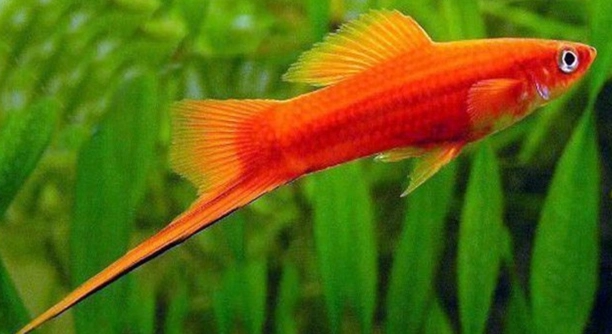
Swordtails are popular aquarium fish known for their active nature and colorful appearance. Many owners enjoy interacting with them, including offering food directly by hand. But how do swordtails respond to being hand-fed? Let’s explore this topic.
Swordtails may not naturally seek hand feeding, as they are more inclined to forage for food in their environment. However, with consistent and gentle handling, swordtails can become accustomed to the practice, particularly if food is offered in a calm manner.
Learning how to hand-feed your swordtail can be a rewarding experience and can help strengthen the bond between you and your pet.
How Swordtails Interact with Hand Feeding
Swordtails, like many fish, are naturally cautious when it comes to hand feeding. Their instinct is to be wary of anything that gets too close, especially if they aren’t used to humans. However, over time, swordtails can learn to associate your hand with food, which can make them more comfortable. The key is to remain patient and offer food in a calm, steady manner. You’ll need to start by gently placing your hand near the fish, allowing them to get used to its presence without feeling threatened. This process can take a few days to a few weeks, depending on the individual fish. As swordtails become more familiar with you, they may start to swim closer and even nibble directly from your hand.
Sometimes, swordtails may not initially show interest in hand feeding. It’s important to avoid getting discouraged and try different food types to see what works best for them. Fish tend to react positively to foods they enjoy, so experimenting with various options like flakes or small pellets can help.
In some cases, swordtails may even show signs of affection when hand-fed, such as following your hand or nibbling gently. Their response to this interaction can be quite rewarding, especially as they begin to trust you more. Hand feeding also provides an opportunity to monitor their eating habits, making it easier to notice any changes in their health or behavior.
Tips for Successful Hand Feeding
Hand feeding can take time to perfect. If your swordtail is hesitant at first, patience is crucial. Start with small portions to avoid overwhelming them.
Benefits of Hand Feeding Swordtails
Hand feeding swordtails can foster a stronger bond between you and your fish. Over time, they may associate you with food, creating a sense of trust. This interaction can help you connect with your swordtail, making them more comfortable and less shy. The process of hand feeding also allows you to observe their eating habits more closely, which can be useful for monitoring their health.
Additionally, hand feeding can reduce the stress some fish experience in crowded tanks. When swordtails get used to feeding from your hand, they may feel less threatened by other fish during feeding time. This can create a calmer, more relaxed environment, benefiting their overall well-being.
Hand feeding also provides a way to spoil your fish with special treats. You can offer different types of food that swordtails find more enticing, such as live food or frozen treats. This variation adds a level of excitement to their routine, which can keep them active and engaged.
What to Avoid When Hand Feeding Swordtails
It’s important to avoid overfeeding your swordtail when hand feeding. Offering too much food can lead to digestive issues or pollution in the tank, which could affect their health. Stick to small, manageable portions and observe how much they eat in one sitting.
Never try to force the fish to eat from your hand. Swordtails should have the freedom to approach food at their own pace. Forcing them can create stress and might make them even more reluctant to feed. Patience is key—let them come to you when they are ready.
Another common mistake is not cleaning your hands before offering food. Swordtails are sensitive to oils, soaps, or residue left on your skin. Always rinse your hands thoroughly before feeding to ensure the food remains safe and free of contaminants.
Swordtail Feeding Behavior
Swordtails are often cautious when new feeding methods are introduced. They might initially ignore your hand, preferring to feed from the surface or their usual hiding spots. With patience, they will begin to trust you, especially if they notice food being offered regularly.
Their natural feeding behavior involves seeking food that’s easy to grab and swallow. Swordtails can be quick eaters, so it’s important to offer food slowly, allowing them time to approach and consume it. Observing how they eat can help you adjust your feeding technique to ensure they enjoy the process.
Ideal Food for Hand Feeding
Swordtails generally enjoy a mix of flakes, pellets, and frozen or live food. Offering a variety ensures they receive a balanced diet. When feeding by hand, opt for small amounts that they can consume easily in one sitting. This helps maintain their health and prevents overfeeding.
Feeding swordtails high-quality food will not only improve their health but can make hand feeding more enjoyable for them. They’ll likely start recognizing you as a provider of tasty treats, further strengthening the bond between you both.
Swordtail Hand Feeding and Tank Environment
The environment where you hand-feed swordtails can greatly impact their behavior. A calm, quiet tank will encourage your swordtails to approach your hand more confidently. Avoid loud noises or sudden movements when offering food, as this could startle them or cause them to swim away.
FAQ
Do swordtails enjoy being hand-fed?
Swordtails are generally not inclined to seek out hand feeding on their own. However, with regular and gentle practice, many swordtails will become comfortable with it. They may initially shy away, but with time and patience, they can start to recognize your hand as a source of food. The more consistent and calm you are, the more likely they will come to appreciate hand feeding.
How long does it take for swordtails to trust you for hand feeding?
Trusting you for hand feeding can take some time. It depends on the individual fish and its personality, but it usually takes anywhere from a few days to a few weeks. Swordtails are cautious by nature, so allowing them time to get used to your hand is essential. Start by placing your hand in the water near the fish and offering food regularly. Over time, they may swim closer to investigate.
What types of food should I use for hand feeding swordtails?
Swordtails are not picky eaters, but offering a variety of food types will help keep them interested. Flakes and pellets are common choices, but swordtails also enjoy live or frozen foods like brine shrimp or daphnia. Experiment with different types of food to see which they prefer. Fresh greens like spinach or lettuce can also be a healthy addition to their diet.
Can I feed swordtails only by hand?
While swordtails can be hand-fed, it’s important not to rely solely on this method. They still need to eat a balanced diet, which includes food distributed throughout the tank. Hand feeding should supplement their regular feeding routine, not replace it. Offering food in the tank ensures they get enough nutrition, especially if they are shy or hesitant to approach your hand consistently.
What if my swordtail won’t eat from my hand?
If your swordtail refuses to eat from your hand, it could be due to several factors. They may be too shy or stressed by the hand’s presence. Try reducing distractions in the tank, keeping the environment calm, and offering food more slowly. It’s also a good idea to try feeding at different times of the day to see when your swordtail feels most comfortable.
Can hand feeding swordtails harm them?
Hand feeding, when done properly, is not harmful to swordtails. However, overfeeding can lead to digestive problems or poor water quality. It’s crucial to offer small, manageable amounts of food. Also, make sure your hands are clean and free of oils, lotions, or chemicals before feeding, as these can harm your fish.
Should I use a feeding stick for swordtails?
A feeding stick can be useful if your swordtails are particularly shy or if you’re having trouble getting them to eat from your hand. The stick can be used to offer food without putting your hand in the tank. It’s a good alternative to hand feeding while still giving you control over how much food your swordtail receives. You can transition from using a stick to hand feeding once they become more comfortable.
How often should I feed swordtails by hand?
Swordtails should be fed regularly, but hand feeding shouldn’t be done at every meal. Depending on their diet, feeding swordtails by hand once a day or every other day is sufficient. Overfeeding, even by hand, can lead to unhealthy fish and poor water quality. Make sure to follow a balanced feeding schedule and monitor your fish’s appetite.
Do swordtails prefer hand feeding over feeding from the tank?
Swordtails may begin to enjoy the interaction that comes with hand feeding, but they still rely on tank-based feeding as their main source of nutrition. Hand feeding can become a fun and enriching experience, but it’s unlikely that swordtails will prefer it to regular feeding. They are naturally opportunistic feeders and will eat whenever food is available.
Is it safe to hand-feed swordtails with other fish in the tank?
Hand feeding swordtails in a tank with other fish can be a challenge. Swordtails are peaceful, but more aggressive fish may try to steal food or push them aside. To avoid this, consider feeding your swordtail separately or making sure they have enough space to eat. If the other fish are too aggressive, hand feeding might not be the best option.
What should I do if my swordtail starts acting stressed during hand feeding?
If your swordtail appears stressed while hand feeding, it’s important to stop and give them some space. Stress can result from the sudden presence of your hand or if the feeding process is too fast. Try reducing the frequency of hand feeding sessions and observe how the swordtail behaves in the tank. A calm environment with limited distractions can help them feel more comfortable.
Can swordtails be trained to hand feed at an early age?
Swordtails can start learning to hand feed at a young age. However, it’s important to be patient and avoid forcing the fish. Young swordtails may be more curious, so introducing hand feeding early can help them become accustomed to it. Always offer food slowly and gently, making the process as calm and enjoyable as possible.
How can I tell if my swordtail is healthy while hand feeding?
When hand feeding, you can observe your swordtail’s health by monitoring its behavior. A healthy swordtail should swim actively, eat without hesitation, and show vibrant coloring. If your swordtail seems sluggish or refuses to eat, it could be a sign of stress or illness. Regular hand feeding sessions provide an opportunity to check for any changes in their behavior or appearance.
Is there any risk of overfeeding swordtails by hand?
Yes, overfeeding swordtails by hand is possible and can lead to health problems. Swordtails are prone to overeating if food is offered too frequently or in excess. This can cause obesity, digestive issues, and poor water quality. Always offer small portions that your swordtail can consume in a few minutes to avoid overfeeding.
Final Thoughts
Hand feeding swordtails can be a rewarding experience for both you and your fish. While they may not naturally seek out this method of feeding, with patience and consistency, swordtails can learn to approach your hand for food. It’s important to understand that each fish is different, and not all swordtails will become comfortable with hand feeding. Some may take longer than others, while some may never fully trust the process. By being calm and gentle, you can help create an environment where your swordtail feels safe enough to feed from your hand.
However, it’s crucial to remember that hand feeding should only supplement the fish’s regular feeding routine. Swordtails need a balanced diet to stay healthy, and feeding by hand should not replace their usual feeding method. Offering food in the tank ensures that they are getting the right nutrition, especially if they are hesitant to eat directly from your hand. By feeding them a variety of foods, including high-quality flakes, pellets, and occasional live or frozen foods, you can help promote a well-rounded diet.
Lastly, always consider the environment when hand feeding swordtails. A calm, quiet tank is ideal for this feeding method. Swordtails can be shy, and any disruptions or stressors can make it harder for them to feel comfortable eating from your hand. Over time, as you build trust, you’ll notice that your swordtail becomes more confident in its interactions with you. As long as you maintain a balanced approach to their care, hand feeding can be a fun and enriching part of your fish-keeping routine.

Hello,
If you enjoy the content that we create, please consider saying a "Thank You!" by leaving a tip.
Every little bit helps us continue crafting quality advice that supports the health, happiness, and well-being of pets around the world, for pets of all shapes, sizes, and species.
We really appreciate the kindness and support that you show us!