
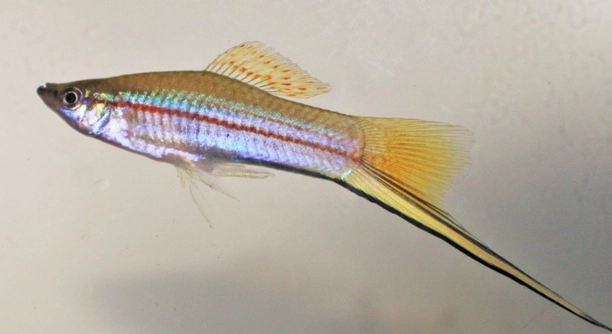
Swordtails are active fish that require a well-maintained aquarium environment. The size and shape of the tank can influence their well-being. Choosing the right type of tank is crucial to their happiness and overall health.
Swordtails thrive in tanks that provide ample space for swimming. They prefer a wide tank over a tall one because it allows them to swim horizontally, which is more natural for their activity levels and helps them feel more comfortable and secure.
A properly designed tank will enhance their behavior and longevity. By considering the size and shape of your tank, you can create a more suitable environment for your swordtails.
Why Swordtails Prefer a Wide Tank
Swordtails, like most fish, have natural instincts that guide their behavior. In the wild, they swim freely in wide spaces, which helps them feel less stressed and more active. A narrow or tall tank can make them feel confined, affecting their health and behavior. This is especially true when there are multiple swordtails in the tank. They need space to swim in schools, which they do in nature. A wide tank replicates these natural conditions, promoting a healthier environment for them.
A wide tank gives swordtails the room they need to move around comfortably, allowing them to exhibit their natural behaviors. This reduces stress and improves their quality of life, making them less prone to illness.
Tank shape plays a key role in their overall well-being. A tall tank, while offering vertical space, doesn’t provide the horizontal room they need. For a swordtail, freedom to swim side to side is vital for their mental and physical health.
Tank Shape and Swimming Behavior
The shape of the tank plays a crucial role in the swordtail’s behavior. With a wider tank, swordtails are more likely to exhibit active swimming patterns, which helps them stay fit and reduces stress. This is key to keeping them happy.
A wide tank also makes it easier to manage water conditions. With a larger surface area, oxygen exchange happens more efficiently, and waste disperses evenly. This results in better water quality, which is essential for swordtail health.
Tall Tanks vs. Wide Tanks: What Works for Swordtails?
Tall tanks can make it difficult for swordtails to feel at ease. While they may have more height, they lack the horizontal space swordtails need. The limited swimming area makes it harder for them to move freely, leading to stress and unhealthy behavior patterns.
Swordtails naturally swim in open, wide spaces, and a tall tank doesn’t replicate that. If you place them in a tank with more height than width, they may feel confined. In a tall tank, they’re forced to swim vertically, which is unnatural and uncomfortable for them. This can lead to decreased activity and even health issues like fin rot or stress-related diseases.
To ensure swordtails thrive, a tank with more width helps replicate their natural environment. The horizontal space allows them to swim in schools, reducing stress and encouraging social behavior. This improves their overall well-being, making them less likely to develop health problems.
Choosing the Right Tank Size
When it comes to choosing the right tank size, consider the number of swordtails you plan to keep. A smaller tank will feel cramped for more fish, leading to increased stress. A larger, wider tank gives each fish more room to swim comfortably.
Swordtails need at least a 30-gallon tank for a small group, but bigger is always better. A larger tank gives you more options for decorations, plants, and creating a more natural environment. The added space allows the swordtails to establish territories, reducing aggression and promoting peaceful coexistence. The wider the tank, the better for their health and well-being.
Benefits of a Wider Tank for Swordtails
A wider tank offers swordtails more space to swim horizontally. This mimics their natural habitat and supports their physical and mental health. They will exhibit more natural behaviors, like swimming in schools and exploring the tank’s environment. It’s the best option for their well-being.
A wider tank also improves water circulation, making it easier to maintain water quality. This helps prevent the buildup of harmful substances, which can affect the swordtail’s health. Additionally, the extra space allows for more decorations and plants, creating a more comfortable and stimulating environment for your fish.
Tank Shape and Water Quality
The shape of the tank directly affects the water’s oxygenation and filtration. A wider tank allows for better surface area, increasing oxygen exchange and overall water quality. This promotes healthier conditions for swordtails to thrive in, reducing the risk of diseases and ensuring they live a long, happy life.
Space for Decorations and Plants
A wider tank allows more room for decorations and plants, creating a natural environment for swordtails. These additions help mimic their native habitat, offering places for the fish to hide, forage, and explore. This reduces stress and makes them feel more secure in the tank.
FAQ
Do swordtails prefer tall tanks or wide tanks?
Swordtails prefer wide tanks because they can swim horizontally, which is more natural for them. A wide tank offers more space for swimming in schools, which is essential for their social behavior and mental well-being. A tall tank doesn’t provide enough room for them to move around comfortably and can lead to stress.
Can swordtails live in a tank with other fish?
Yes, swordtails can live with other fish as long as they’re compatible. They do best with peaceful species and should be kept with fish of similar size. Avoid aggressive or territorial species, as they can stress out swordtails. It’s also important to consider water conditions, as swordtails thrive in stable water temperatures and pH levels.
How many swordtails should be kept together?
Swordtails are social fish and should ideally be kept in groups of at least three to five. Keeping them in smaller groups can lead to stress and aggression. A small group will help them feel secure and allow them to exhibit natural social behaviors. The more space you can provide, the better they’ll do.
What size tank is best for swordtails?
A tank size of at least 30 gallons is recommended for a small group of swordtails. If you have more than a few, a larger tank is better. More space allows for better water quality and helps prevent aggression between fish. It also allows for the addition of plants and decorations to create a more natural environment.
Do swordtails need a filter?
Yes, swordtails need a filter to maintain good water quality. A filter helps remove waste, excess food, and other toxins from the water, keeping it clean and safe for your fish. A good filter is essential for preventing the buildup of harmful substances and maintaining stable water conditions.
How often should I clean my swordtail tank?
It’s important to clean your swordtail tank regularly. You should change 25-30% of the water every week to keep the tank fresh. In addition, clean the filter monthly and scrub the glass to remove algae buildup. Always monitor the water quality, as swordtails are sensitive to poor water conditions.
Can swordtails live in cold water?
Swordtails are tropical fish and need warm water to thrive. Their ideal temperature range is between 72°F and 78°F (22°C to 26°C). Keeping them in water that’s too cold can weaken their immune system and make them more susceptible to diseases. Ensure your tank is properly heated to maintain stable conditions.
What do swordtails eat?
Swordtails are omnivores and can eat a variety of foods. A balanced diet should include high-quality flakes, pellets, and live or frozen foods like brine shrimp, daphnia, and bloodworms. Supplementing their diet with vegetables such as spinach or zucchini is also beneficial. Make sure to provide food that is appropriate for their size and nutritional needs.
Are swordtails easy to breed?
Swordtails are relatively easy to breed, especially in a well-maintained tank. They are livebearers, meaning they give birth to live young instead of laying eggs. If you keep both males and females, you’ll likely see babies within a few weeks. Providing plenty of hiding places for the fry helps keep them safe from adult fish.
Why are my swordtails behaving aggressively?
Aggression in swordtails can occur if they feel crowded or stressed. They may also become territorial, especially if there are too many males in the tank. Aggression can be reduced by ensuring enough space, adding more females than males, and providing plenty of hiding spots and plant cover.
Can swordtails live with shrimp or snails?
Swordtails can live with shrimp and snails, but it depends on the species. Smaller shrimp may become prey for swordtails, especially if they’re not fully grown. Snails are usually safe, as swordtails are unlikely to bother them. Make sure to provide plenty of hiding spaces to protect smaller creatures in the tank.
How do I know if my swordtail is sick?
If your swordtail is sick, you may notice symptoms such as faded colors, unusual swimming patterns, loss of appetite, or visible lesions on the body. Sick fish may also isolate themselves from the rest of the tank. If you notice these signs, it’s important to isolate the fish and treat it with the appropriate medications. Always test the water quality, as poor water conditions are often the cause of illness.
Can swordtails live with bettas?
It’s not recommended to keep swordtails with bettas, as bettas can be aggressive, particularly toward other males. While swordtails are peaceful, the betta may see them as a threat or competitor. The stress from constant aggression can lead to health issues for both fish. If you decide to house them together, provide plenty of space and hiding places.
Do swordtails need a heater?
Yes, swordtails need a heater to maintain the appropriate water temperature. They thrive in tropical conditions, with a temperature range of 72°F to 78°F (22°C to 26°C). A consistent temperature is key to keeping them healthy and preventing stress-related diseases. Make sure to use a reliable heater and thermometer to monitor the tank’s temperature.
What are the best tankmates for swordtails?
Good tankmates for swordtails include peaceful fish like guppies, mollies, and platies. They also do well with other non-aggressive community fish, as long as the water conditions are similar. Avoid fish that are overly territorial or aggressive, as this can lead to stress or injury. Always ensure the tank is large enough to accommodate all species comfortably.
Why is my swordtail’s tail fin curled?
A curled tail fin in swordtails can be a sign of poor water quality, injury, or fin rot. Check the water parameters, and if they are off, perform a water change. If the problem persists, it may be an indication of a bacterial or fungal infection, which requires treatment. Keep an eye on the fish for other symptoms to determine the cause.
How long do swordtails live?
Swordtails typically live between 3 to 5 years with proper care. Their lifespan can vary depending on water quality, tank conditions, diet, and overall health. Keeping their environment stable and free of stressors will help them live a longer and healthier life.
How do I keep my swordtails healthy?
To keep your swordtails healthy, provide them with a spacious, clean tank that has stable water conditions. Feed them a balanced diet, monitor their health for any signs of illness, and perform regular water changes. Keeping their environment stress-free and compatible with other tankmates is essential for their well-being.
Final Thoughts
When setting up a tank for swordtails, it’s essential to focus on their specific needs to ensure they thrive. These fish prefer wide tanks over tall ones, as they allow for more horizontal swimming, which mirrors their natural habitat. Providing enough space for swimming and socializing not only benefits their physical health but also their overall well-being. With enough room, swordtails can display more natural behaviors and experience less stress, leading to a happier and healthier life. Remember that a stable tank environment, including good water quality and temperature, is key to keeping them in optimal condition.
In addition to the tank’s shape and size, proper care extends to their diet and tankmates. Swordtails are omnivores, so a varied diet consisting of high-quality flakes, pellets, and occasional live foods will keep them well-nourished. Keeping them in groups is important for their social nature, as they are more content when surrounded by other swordtails. Choosing compatible tankmates is equally important to avoid aggression and stress. Peaceful fish that share similar water requirements are the best choice. With proper planning, a diverse and thriving community tank can be created where swordtails coexist peacefully with other species.
Finally, regular tank maintenance is vital to ensure swordtails live a long and healthy life. Regular water changes, monitoring the filter, and checking water quality are simple but crucial tasks. If any health issues arise, acting quickly can prevent further problems. Swordtails are relatively easy to care for as long as their basic needs are met. By providing a wide tank, keeping a clean environment, and offering the right care, you can enjoy these beautiful fish for years to come.

Hello,
If you enjoy the content that we create, please consider saying a "Thank You!" by leaving a tip.
Every little bit helps us continue crafting quality advice that supports the health, happiness, and well-being of pets around the world, for pets of all shapes, sizes, and species.
We really appreciate the kindness and support that you show us!