
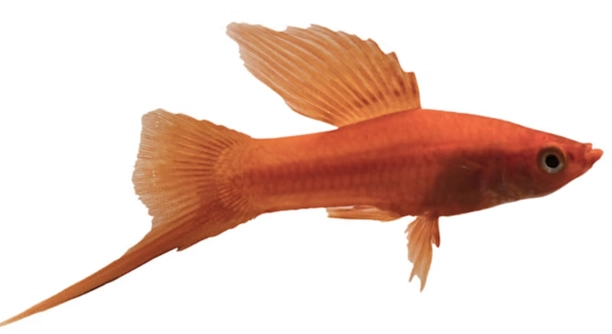
Swordtails are a popular choice for aquarium enthusiasts due to their vibrant colors and lively nature. As an aquarium hobbyist, you may be curious about how certain environments, like heavily planted tanks, affect their behavior and health.
Swordtails do appreciate plants in their environment, and heavily planted tanks can offer benefits like hiding spots and natural food sources. However, these fish do well in various tank setups, not necessarily requiring heavy plant coverage for thriving.
Understanding the role of plants in your swordtail’s habitat is important for maintaining a healthy tank. We will break down how plants influence their well-being and guide you in creating the ideal environment for your swordtails.
Why Swordtails Benefit from Plants in Their Tank
Swordtails are not particularly demanding fish, but they do enjoy the presence of plants in their tank. Having plants in your aquarium provides hiding places, reduces stress, and mimics their natural environment. Plants also help maintain water quality by absorbing excess nutrients, which can improve the overall health of your tank. This is beneficial because swordtails thrive in stable water conditions. When plants are well-maintained, they create a balanced environment that helps swordtails feel more secure. Swordtails are curious and active fish, and a tank filled with plants can provide them with more to explore, creating a more enriching experience.
Plants can also act as a food source for swordtails. They may nibble on algae or tiny microorganisms that grow on plant surfaces, offering them a natural supplement to their diet. The natural behaviors that come with having plants can lead to a happier, more active fish.
Having plants in a tank isn’t always necessary for swordtails, but it can definitely improve their quality of life. Healthy, well-maintained plants contribute to a more stable environment, helping to keep the fish content and active.
The Right Type of Plants for Swordtails
When selecting plants for swordtails, it’s important to choose ones that will thrive in the same conditions as your fish. Swordtails enjoy a warm, moderately hard water environment, so the plants you select should be able to handle these conditions.
Hardy plants like Java Fern, Anubias, and Amazon Sword are great choices. These plants not only withstand a variety of water conditions, but they also don’t require too much maintenance. They can grow well in low to medium light, which makes them easy to manage in most home tanks. If you want to add some color, plants like Red Ludwigia or Rotala can provide a vibrant contrast to the green foliage in your tank.
Besides the aesthetic benefits, these plants are also practical. They offer hiding spots, helping to reduce aggression between swordtails and other tank mates. Having plants that grow dense can also encourage breeding, as swordtails often feel more secure in a densely planted space.
How to Care for Plants in a Swordtail Tank
Keeping plants in your tank requires some basic care. Regular trimming helps prevent overgrowth, ensuring that plants don’t take over the tank and block out light. Clean the plants occasionally to remove algae buildup and dead leaves.
While swordtails are hardy, the plants they thrive with require certain conditions. Ensure the tank has proper lighting and nutrient-rich substrate for plants like Java Fern or Amazon Sword. Use aquarium fertilizer occasionally to keep plants healthy, and be mindful of water conditions, as imbalances can harm both plants and fish.
Maintaining your plants helps your swordtails’ environment stay clean and stable. Swordtails benefit from the oxygen plants release and the additional cover they provide. Regular maintenance not only supports plant health but also reduces stress in your fish, as they feel safer with places to hide. This balance improves both the plants’ and swordtails’ well-being in your aquarium.
Avoiding Common Plant Care Mistakes
One common mistake is overfeeding your plants with fertilizer. Too much fertilizer can lead to algae problems and poor water quality. Stick to the recommended amount for the plant types you have.
Another mistake is letting plant debris build up in the tank. Over time, dead plant material can cause water quality issues, affecting both the plants and your swordtails. Regular water changes and siphoning out plant debris are essential for maintaining a clean environment. Be careful with plant placement, too; swordtails can sometimes uproot delicate plants while swimming. Secure plants in the substrate properly to avoid this.
A well-maintained tank ensures your swordtails live in a healthy, stress-free environment. Taking care of the plants properly will result in a visually pleasing aquarium and happier, healthier fish.
Impact of Plant Density on Swordtails
Plant density affects the behavior of swordtails in your tank. If plants are too sparse, swordtails might feel exposed and stressed. On the other hand, dense planting offers hiding spots, which can make them feel more secure and reduce aggression.
However, too many plants can block light, limiting growth for both plants and swordtails. Finding a balance between providing enough cover and maintaining good lighting conditions is key. Swordtails do best in tanks with moderate plant density, where they can swim freely and explore without feeling trapped.
Tank Setup for Swordtails with Plants
A proper tank setup includes a suitable substrate, good filtration, and appropriate lighting for plants. Swordtails thrive in tanks with stable water conditions, so be sure to monitor pH levels and temperature regularly. Using a substrate that supports plant growth, like nutrient-rich gravel, ensures they stay healthy.
Lighting is also critical for both plants and fish. Too little light may cause plants to suffer, while too much can encourage algae growth. A good balance of lighting and water movement helps maintain a healthy tank. Additionally, installing a filter that doesn’t create too much current is important for swordtails.
Temperature Preferences for Swordtails
Swordtails prefer water temperatures between 72°F and 82°F (22°C to 28°C). This range supports both plant growth and the fish’s natural metabolism. Consistent temperatures prevent stress and improve overall health, making it important to keep the tank’s temperature stable.
FAQ
Do swordtails prefer heavily planted tanks?
Swordtails enjoy planted tanks, but they don’t need heavy planting to thrive. Plants provide them with hiding spots, reduce stress, and improve water quality. A tank with a few well-placed plants can be enough to give them the benefits they need. However, more plants can offer more hiding spots and make them feel more secure.
Can swordtails live in a tank with no plants?
Yes, swordtails can live in a tank without plants, but it’s not ideal. Without plants, they lose natural hiding spots and areas for exploration, which can increase their stress levels. Additionally, plants help with water filtration and oxygenation, so their absence may slightly affect the tank’s balance. If you don’t want plants, make sure the tank has other forms of enrichment, like rocks or driftwood.
What types of plants are best for swordtails?
Swordtails are not picky about plants, but they do best with hardy species that can survive in their preferred conditions. Java Fern, Anubias, and Amazon Sword are excellent options. These plants can handle varying light and water conditions and require minimal care. If you want a splash of color, try Red Ludwigia or Rotala, as they can thrive in moderate lighting and add vibrancy to the tank.
How many plants should I have in my swordtail tank?
You don’t need to overcrowd your swordtail tank with plants. A few well-placed plants that provide coverage and hiding spots are sufficient. It’s better to balance plant density with good lighting and water movement to ensure the plants stay healthy and don’t block light or restrict swimming space for the swordtails. Too many plants can also lead to an algae buildup if not maintained properly.
Can swordtails breed in a heavily planted tank?
Yes, swordtails can breed in a planted tank. In fact, a tank with plenty of plants offers a natural environment for breeding. Plants provide the perfect hiding spots for both the female swordtails to give birth and the fry to hide from adult fish, improving their chances of survival. Just make sure the plants are well-maintained to avoid overcrowding or water quality issues.
Do swordtails need high lighting for plants?
Swordtails do not need high lighting, but plants in their tank may require it. Low to moderate lighting is usually enough for swordtails to feel comfortable. Some plants thrive with low light, such as Java Fern and Anubias, and won’t need intense lighting. However, plants like Red Ludwigia or Rotala may require brighter light to maintain vibrant colors. Keep the lighting at a level that suits the plants you choose, and swordtails will do just fine.
How often should I trim the plants in my swordtail tank?
Trimming plants is an important part of keeping your tank healthy. Overgrown plants can block light and create excess organic material that could lead to water quality problems. Trim plants every few weeks to maintain the balance of your tank. Remove dead or decaying plant matter regularly to keep your swordtails’ environment clean.
Can swordtails be kept with other species in a planted tank?
Yes, swordtails can be kept with other species in a planted tank. In fact, the plants offer a natural way to reduce aggression by providing hiding spots. Just make sure the other species you add to the tank are compatible with swordtails in terms of temperament, size, and water requirements. Peaceful fish like tetras, corydoras, and guppies are often good companions for swordtails.
What should I avoid when setting up a tank for swordtails?
When setting up a tank for swordtails, avoid placing sharp decorations or rough substrates that could injure the fish. Keep the water temperature stable and avoid large fluctuations, as swordtails are sensitive to sudden changes. Also, be cautious with plant fertilizers; overuse can lead to algae growth and water imbalances. Lastly, make sure the tank is not overcrowded. Overcrowding can stress swordtails and lead to poor water quality.
Can swordtails live in brackish water?
Swordtails are freshwater fish but can tolerate slightly brackish water under certain conditions. They don’t require salt in their environment, but they can adapt to very low salinity levels, especially if you’re keeping them with other species that thrive in brackish conditions. However, it’s important to note that swordtails do best in clean, freshwater tanks. Excessive salinity can harm their health in the long term.
Do swordtails need a filter in their tank?
Yes, a filter is essential for maintaining water quality in a swordtail tank. Swordtails produce waste that can quickly degrade water quality, leading to unhealthy conditions. A filter helps keep the water clean, removes toxins, and adds oxygen. Make sure to choose a filter with a gentle current, as swordtails prefer calm water conditions. Regular maintenance of the filter is also important to ensure it functions properly.
What temperature range is ideal for swordtails in a planted tank?
Swordtails thrive in temperatures between 72°F and 82°F (22°C to 28°C). This range supports their metabolism and encourages healthy growth. If the temperature falls below 72°F, swordtails may become lethargic and more prone to illness. Likewise, temperatures above 82°F can stress them and negatively impact plant growth. Keep the temperature stable with a reliable heater to ensure the best conditions for both swordtails and plants.
Should I use CO2 for plants in a swordtail tank?
Using CO2 in a swordtail tank is optional and depends on the type of plants you keep. Most low-maintenance plants like Java Fern and Anubias do not require added CO2 to grow well. However, if you’re keeping more demanding plants that require higher lighting, adding CO2 can help promote healthy growth and vibrant colors. Just ensure that the CO2 levels don’t drop too low or get too high, as extreme fluctuations can harm both plants and fish.
How can I prevent algae growth in a planted swordtail tank?
Algae growth can be controlled with a few simple steps. First, don’t overfeed your swordtails, as excess food contributes to algae. Ensure proper lighting, as too much light can encourage algae growth. Use a reliable filtration system to maintain clean water. You can also introduce algae-eating fish or snails to help keep algae in check. Regularly cleaning the tank and trimming plants will also prevent algae buildup.
Final Thoughts
Swordtails are relatively easy to care for, and while they can thrive in various tank setups, adding plants can improve their environment. Plants offer numerous benefits, such as providing hiding spots, improving water quality, and even acting as a food source. Having a few well-placed plants can reduce stress, making your swordtails feel more secure. Whether you choose to go with a heavily planted tank or just a few small plants, the decision will depend on the kind of atmosphere you want to create for your fish.
It’s important to remember that while swordtails do enjoy plants, they are not overly dependent on them. They can adapt to tanks with minimal or no plants. The main focus should be on providing a stable and clean environment for your fish. Regular maintenance of the tank, including monitoring water quality and temperature, is essential for swordtails to stay healthy. Having plants can add beauty to the tank and help with water filtration, but it’s not absolutely necessary for the well-being of the fish.
Ultimately, the decision to add plants to your swordtail tank comes down to personal preference. If you want to create a more natural environment that mimics their native habitat, plants are a great choice. However, if you prefer a simpler setup, swordtails will still do well. No matter the choice, keeping the tank clean, maintaining the right water conditions, and offering a safe and stress-free environment for your fish will ensure they live happy and healthy lives.

Hello,
If you enjoy the content that we create, please consider saying a "Thank You!" by leaving a tip.
Every little bit helps us continue crafting quality advice that supports the health, happiness, and well-being of pets around the world, for pets of all shapes, sizes, and species.
We really appreciate the kindness and support that you show us!