
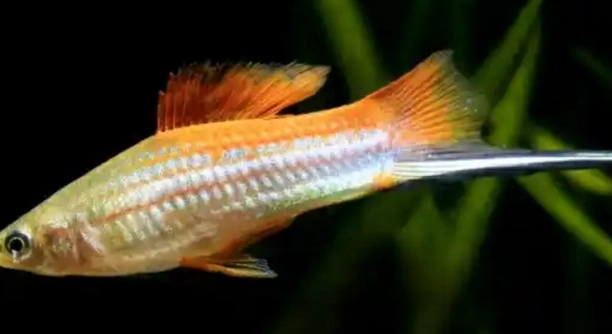
Swordtails are popular aquarium fish, known for their vibrant colors and active behavior. When it comes to their feeding habits, many aquarium owners wonder whether swordtails prefer floating food more than other types of food.
Swordtails generally do prefer floating food, as it mimics their natural foraging behavior. In the wild, they tend to search for food near the water’s surface, making floating pellets or flakes a more natural feeding experience for them.
Learning more about their feeding preferences can help you improve their diet and overall well-being. Understanding these preferences will guide you in providing the best care for your swordtails.
Why Swordtails Prefer Floating Food
Swordtails have a natural inclination toward food that floats near the surface. In the wild, they often feed on small insects or plant matter that drift by. This behavior carries over to their time in an aquarium, where they are more likely to actively engage with floating food rather than food that sinks to the bottom. The surface provides an accessible spot for them to search for meals, making floating pellets or flakes a preferred choice. This preference is essential to consider when selecting food for your swordtails.
Floating food offers an opportunity for swordtails to interact with their environment in a way that aligns with their instincts. It mimics the natural conditions they would encounter in the wild. In an aquarium, this natural behavior is important for their health and feeding habits.
By providing floating food, you help your swordtails stay active and engaged. This also encourages more natural foraging, which is better for their overall well-being. Choosing the right type of floating food can improve their feeding experience.
Types of Floating Food for Swordtails
Floating food comes in various forms, including flakes, pellets, and granules. Each type has unique benefits for swordtails. Flakes are often easy for swordtails to consume quickly, while pellets and granules can sink slightly but still remain accessible to fish that prefer surface feeding.
Swordtails can thrive on a balanced diet that includes high-quality floating food options. These options typically contain the right blend of proteins, vitamins, and minerals to support their growth and energy needs. A combination of flake and pellet food can help keep their diet varied, ensuring they receive all necessary nutrients.
How Floating Food Benefits Swordtails’ Health
Floating food provides swordtails with an easier way to access their meals. This mimics their natural foraging behavior, which keeps them more active and engaged. It also reduces the chances of food rotting at the bottom of the tank, which can negatively affect water quality.
When swordtails eat floating food, they can efficiently consume it without much struggle. This feeding behavior encourages them to swim more, which is beneficial for their cardiovascular health. Additionally, the constant movement promotes better digestion. By maintaining a healthy feeding routine, swordtails remain in better overall condition.
Choosing food with the right nutrients, such as high-quality proteins and fats, ensures your swordtails get all the energy they need. When swordtails are healthy and active, they’re less likely to become stressed or sick. This improves their lifespan and quality of life.
The Right Feeding Schedule for Swordtails
Feeding swordtails the right amount is key to their health. Too much food can lead to overfeeding, which causes water contamination and health problems. Aim to feed them small amounts multiple times a day. This promotes better digestion and avoids uneaten food floating around.
Consistency in feeding is also important. Swordtails thrive on a regular routine, as it gives them a sense of security. A consistent schedule prevents overeating and ensures they eat enough to stay healthy. Try to remove any uneaten food after a few minutes to keep the tank clean. This practice helps reduce the buildup of waste.
Making sure your swordtails have a balanced diet, including floating food, supports their active nature. A routine feeding schedule also ensures they’re getting the right amount of nutrients without overloading the tank with excess food.
How to Choose the Best Floating Food for Swordtails
The best floating food for swordtails should be nutritionally balanced and designed to support their natural feeding habits. Look for options that include high-quality proteins, vitamins, and essential fatty acids. These ingredients help maintain their health and energy levels.
Choosing high-quality floating food ensures swordtails receive the necessary nutrients to grow strong. A varied diet also prevents them from becoming picky eaters, which is common with repetitive feeding. It’s important to rotate between different food types, like flakes, pellets, and occasional live food, to keep their diet interesting and diverse.
Common Mistakes to Avoid When Feeding Swordtails
Overfeeding is a common issue many swordtail owners face. Providing too much floating food can cause waste buildup, leading to water quality problems. Stick to small, manageable portions, ensuring food is consumed within a few minutes.
Another mistake is relying on just one type of food. Variety is crucial to provide swordtails with a full range of nutrients. Regularly switch between floating food options to keep them engaged and healthy.
FAQ
Do swordtails need to eat floating food exclusively?
No, swordtails do not need to eat floating food exclusively. While they tend to prefer it, they can also eat sinking pellets or live food. Offering a variety of food types ensures they receive balanced nutrition. It’s important to switch things up to avoid feeding them the same thing every day, which could lead to nutritional imbalances.
Can I feed swordtails only flakes?
Flakes are a convenient option for swordtails, but it’s best not to rely on them solely. While flakes can provide essential nutrients, swordtails benefit from a mix of food types. Combining flakes with floating pellets or live food can help prevent nutritional deficiencies and ensure they stay active and healthy.
How often should I feed swordtails floating food?
Swordtails should be fed small amounts of floating food two to three times a day. This allows them to forage naturally, mimicking how they would eat in the wild. Make sure to remove any uneaten food after a few minutes to avoid water contamination and overfeeding.
What’s the best floating food for swordtails?
Look for high-quality floating pellets or flakes designed specifically for small tropical fish like swordtails. These foods should be rich in protein, fats, and essential vitamins. Some brands offer food specifically made to enhance color, support growth, and promote health, which can be beneficial for swordtails.
Can I feed swordtails live food with their floating food?
Yes, live food can be a great supplement to swordtails’ diet. Offering live food like brine shrimp or daphnia alongside floating food provides variety and additional nutrients. Just be sure the live food is properly sourced and free of parasites to avoid introducing diseases into the aquarium.
How do I know if I’m overfeeding my swordtails?
Overfeeding swordtails can lead to waste buildup and poor water quality. Signs of overfeeding include uneaten food floating on the surface and water becoming cloudy. Swordtails may also become sluggish or develop bloating. Feed them only as much as they can consume within a few minutes and remove any excess food.
Is it okay to feed swordtails frozen food along with floating food?
Frozen food can be a good addition to swordtails’ diet, but it should not replace their main food source. Frozen foods like brine shrimp, bloodworms, or daphnia provide extra nutrients and variety. Always thaw frozen food before feeding it to prevent cold shock to your fish.
Can swordtails eat food that sinks to the bottom?
While swordtails prefer floating food, they can eat sinking food if needed. If the food sinks, swordtails may still manage to eat it by swimming down to it. However, floating food mimics their natural feeding behavior more closely, encouraging them to stay active and engaged.
Do swordtails like to eat algae or plant-based food?
Yes, swordtails will eat algae and plant matter, though they are primarily carnivores. They may nibble on algae or enjoy plant-based foods like spinach or lettuce, but these should not be their main food source. Protein-rich food should still make up the majority of their diet.
Should I feed my swordtails at the same time every day?
Yes, having a consistent feeding schedule helps swordtails feel secure and promotes healthy eating habits. Try feeding them at the same time each day, and avoid overfeeding by sticking to small portions. A routine feeding schedule also prevents excess food from floating around and degrading water quality.
How can I make sure my swordtails are getting a balanced diet?
To ensure your swordtails are getting a balanced diet, provide a mix of high-quality floating food, live food, and occasional plant matter. This combination ensures they receive the right nutrients for growth, energy, and health. Be sure to switch between different types of food to keep their diet varied.
Can swordtails eat the same food as other tropical fish?
Swordtails can eat the same food as other tropical fish, as long as the food is appropriate for their size and dietary needs. However, swordtails have slightly different nutritional requirements, so it’s important to choose food designed for their species. A balanced tropical fish food works well, but make sure to adjust portions based on their specific needs.
What happens if I don’t feed swordtails floating food?
If you don’t feed swordtails floating food, they may become less active, as they prefer to forage at the surface. They may still eat sinking food, but it could lead to them becoming less engaged with their environment. Offering floating food encourages natural foraging behaviors and helps them stay healthy.
How can I encourage my swordtails to eat floating food?
If your swordtails are hesitant to eat floating food, try introducing it slowly by mixing it with food they are already familiar with. You can also try offering it at different times of day or use different brands. Swordtails are more likely to eat it when they are hungry, so be patient and consistent.
Can swordtails eat too much floating food?
Yes, swordtails can eat too much floating food, which can lead to obesity, digestive problems, and poor water quality. Overfeeding causes uneaten food to sink, creating waste in the tank. Stick to feeding them small amounts they can finish in a few minutes to avoid overfeeding.
What should I do if my swordtails refuse floating food?
If your swordtails refuse floating food, first check if it’s fresh and high quality. Sometimes, they may not eat if they are stressed or not feeling well. Ensure the water conditions are optimal and try introducing the food gradually. You may also experiment with different types of floating food.
Do swordtails prefer food that sinks or floats?
Swordtails generally prefer floating food, as it mimics the natural food they would encounter in the wild. While they can eat sinking food, floating food encourages more active feeding behavior. Offering both types occasionally can keep them interested and provide a more balanced feeding experience.
How can I tell if my swordtails are happy with their food?
Healthy swordtails will actively swim to the surface during feeding time and consume their food quickly. If they seem disinterested or leave food behind, they may not like the type of food you’re offering. Monitor their behavior to adjust the type or amount of food they’re getting.
Final Thoughts
When it comes to feeding swordtails, understanding their dietary preferences is key. They thrive on a varied diet that includes high-quality floating food, live food, and occasional plant matter. Offering different types of food helps to keep them engaged and ensures they receive all the nutrients they need to stay healthy. Floating food is particularly important because it encourages natural foraging behavior, but swordtails can also enjoy sinking food or even algae. A balanced approach with different food types will support their growth and energy levels.
Overfeeding is a common issue that can affect both the health of the swordtail and the water quality of your tank. Swordtails tend to overeat if food is left in the tank too long, leading to waste buildup and a messier environment. To avoid this, it’s crucial to feed them small amounts they can consume within a few minutes. This also helps prevent any uneaten food from polluting the tank. Monitoring their feeding habits and sticking to a consistent routine will ensure they remain healthy while keeping the tank clean.
In conclusion, feeding swordtails isn’t overly complicated, but it does require attention to their needs. Offering a variety of foods like floating pellets, live food, and occasional plant matter will help maintain their overall health. Keeping an eye on portion sizes and offering food at regular intervals also ensures that they’re getting the right amount of nutrition. With proper care, swordtails will be happy and healthy, bringing life and color to your aquarium.

Hello,
If you enjoy the content that we create, please consider saying a "Thank You!" by leaving a tip.
Every little bit helps us continue crafting quality advice that supports the health, happiness, and well-being of pets around the world, for pets of all shapes, sizes, and species.
We really appreciate the kindness and support that you show us!