
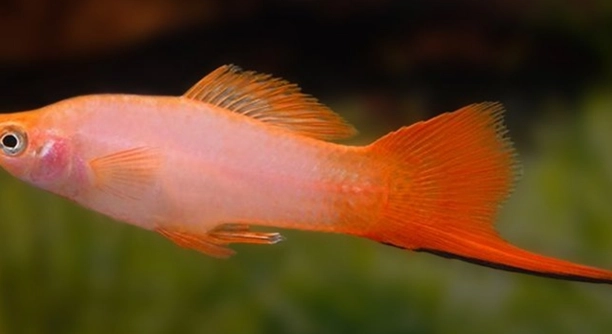
Swordtails are popular aquarium fish known for their vibrant colors and active nature. When setting up a tank for them, lighting is an important factor that affects their well-being and behavior.
Swordtails generally prefer moderately dim lighting rather than overly bright tanks. Bright lights can stress them, leading to potential health issues, while a dim tank offers a more relaxed environment, simulating their natural habitat.
Choosing the right lighting can make a big difference in your swordtail’s comfort and activity levels. Understanding the lighting needs will help you create the best environment for your fish.
Why Lighting Matters for Swordtails
Swordtails are naturally found in environments with soft, filtered light, such as in rivers and streams with plants and rocks to provide shade. Too much light can cause them stress and make them more susceptible to diseases. In contrast, a dim tank mimics the fish’s natural habitat, offering them a sense of security. They feel less exposed and are more likely to show their true colors and natural behavior when lighting is kept moderate.
Fish such as swordtails rely on light to regulate their circadian rhythm. Too much exposure can disrupt this balance, leading to stress or erratic behavior. Swordtails also appreciate areas in the tank with shaded spots, so they can retreat if they feel overwhelmed by the light.
When setting up your swordtail tank, use a light source that’s bright enough to allow you to view them clearly but not so strong that it affects their health. Consider using an adjustable LED light or a timer to control the duration and intensity of light. A good balance between light and darkness keeps them happy and healthy, while also helping maintain the overall ambiance of your aquarium.
Best Lighting for Swordtails
Bright fluorescent lights may be too harsh for swordtails, so a more subdued lighting option is ideal. Avoid using strong overhead lights.
LED lights are an excellent choice for swordtails, as they offer adjustable brightness and are energy-efficient. You can also consider using dimmers to control light levels, which can help mimic natural light changes during the day.
Effects of Bright Lighting on Swordtails
Bright lighting can cause stress in swordtails, making them feel exposed and uncomfortable. This can result in faded colors and timid behavior. Swordtails are more active and colorful when placed in tanks with dimmer lighting that resembles their natural habitat.
In an overly bright tank, swordtails may hide more often, as they seek shelter from the harsh light. This leads to less social interaction and less time spent swimming, which can impact their overall health. The continuous stress from bright lighting may also weaken their immune system, making them more vulnerable to diseases.
Swordtails are naturally inclined to live in shaded areas with diffused light. Their behavior improves when they are allowed to rest in areas with soft lighting, making them feel secure. Dim lighting promotes better health and happiness, encouraging swordtails to be more active and engaging.
Dim Lighting and Swordtail Comfort
Dim lighting is crucial for creating a comfortable environment for swordtails. Their colors become more vibrant in a well-balanced tank with softer lighting.
A dimly lit tank also benefits the plant life and overall aesthetics of the aquarium. The subdued light creates a peaceful atmosphere, reducing stress levels in both the fish and plants. The more natural lighting conditions allow swordtails to swim and explore without feeling threatened. Plants can thrive in such lighting, creating a balanced ecosystem that benefits all inhabitants of the tank.
How to Adjust Lighting for Swordtails
To adjust lighting for swordtails, start by using a dimmer or LED light that can be controlled for intensity. This allows you to mimic natural lighting conditions. Avoid using too bright or too many lights in the tank.
A timer is helpful for regulating the duration of light exposure. Aim for 8-10 hours of light per day to replicate the natural day and night cycle. This routine helps swordtails feel more at ease, knowing that the environment is stable. Keep in mind that consistency is key for keeping the fish comfortable and healthy.
Types of Aquarium Lights for Swordtails
When choosing aquarium lights for swordtails, LED lights are a great option because they are energy-efficient and adjustable. You can control the brightness to suit the needs of your tank.
LED lights also come in a variety of colors, which can enhance the colors of your swordtails while still keeping the lighting gentle. Some aquarium LED lights even have options that simulate the natural light cycle, which can benefit the overall health of the tank. Regular maintenance of the lighting system is important to keep the light levels consistent and the tank’s environment stable.
Natural Light in Swordtail Tanks
Natural light can sometimes be beneficial but must be controlled. Direct sunlight may cause algae growth and fluctuate the tank’s temperature.
FAQ
What happens if my swordtail is exposed to bright lighting for too long?
If your swordtail is exposed to bright lighting for extended periods, it can lead to stress. This will cause them to hide more often, reducing their natural behaviors like swimming and interacting with tank mates. Over time, this stress can weaken their immune system, making them more susceptible to illness. You might also notice their colors fading or becoming dull as a result. Maintaining a moderate lighting schedule helps prevent these issues.
How do I know if the lighting in my swordtail tank is too bright?
If the tank lights seem too bright, swordtails may exhibit behavior like hiding or staying in the darker corners of the tank. They might swim less and avoid open areas. If the tank’s light causes a lot of algae growth or makes the water feel uncomfortably warm, these are signs the light may be too intense. A good indicator is to check how active your swordtails are. If they’re overly lethargic or skittish, the lighting might need adjusting.
Can I use natural sunlight for my swordtail tank?
Natural sunlight can be used, but it comes with risks. Direct sunlight can overheat the tank and cause algae blooms due to the increased exposure to light. If you want to use natural light, place the tank in a spot where it receives indirect sunlight to maintain a steady temperature and prevent algae growth. Using a combination of natural and artificial light is an option, but it’s essential to monitor the tank’s temperature and algae levels regularly.
What’s the best type of light for swordtails?
LED lights are the best option for swordtails because they are energy-efficient, long-lasting, and adjustable. With LED lights, you can control the intensity of the light to suit the needs of your tank. These lights also offer the advantage of being able to simulate natural light cycles, which helps maintain the health of your swordtails. Fluorescent lights can also be used, but they are less energy-efficient and may not offer the same level of adjustability.
How much light do swordtails need each day?
Swordtails generally need around 8 to 10 hours of light per day. This mimics the natural day-night cycle and promotes healthy behaviors. If the lighting is on for too long, it may cause stress, while too little light can make the tank look dull and affect the plants. A timer can help maintain consistency, providing your swordtails with a balanced environment.
Can I use colored lighting for my swordtail tank?
Colored lighting, such as blue or red LEDs, can enhance the colors of your swordtails. However, it’s important to use these lights sparingly. Swordtails need a lighting environment that closely resembles their natural habitat, which is usually soft and warm. Colored lights are best used in combination with white or neutral lights to avoid overstimulation.
Is there a specific light temperature swordtails prefer?
Swordtails prefer a light temperature that mimics their natural environment, which is usually a warm 5,000 to 7,000 Kelvin range. This type of light provides a balanced spectrum that helps your swordtails feel comfortable. Too high or too low a temperature can stress the fish and lead to behavioral issues. Maintaining a natural light temperature will keep them healthy and active.
How can I prevent algae growth caused by too much light?
To prevent algae growth, keep the lighting intensity moderate and limit the light exposure to 8 to 10 hours per day. Regular water changes and the addition of live plants can also help control algae. Live plants compete for nutrients, which can reduce algae growth. Additionally, a good filtration system will help maintain water quality, further preventing algae buildup.
Can I adjust the lighting as my swordtails grow?
As swordtails grow, their needs may change, and you may need to adjust the lighting accordingly. Younger swordtails are more sensitive to light, so a dimmer setup might be better in the early stages. As they grow, you can increase the intensity slightly, but always keep it within a range that doesn’t stress them. Adjusting the duration of light exposure is also helpful to keep their natural rhythm intact.
How do I know if the lighting is healthy for my swordtails?
Healthy swordtails will be active, display vibrant colors, and swim confidently. If they seem lethargic, hide often, or display faded colors, the lighting might be the problem. You should also monitor their health for signs of stress, such as increased breathing rates or loss of appetite. If the fish are behaving normally, the lighting is likely not an issue.
Should I turn off the lights completely at night?
Yes, swordtails need a period of darkness at night to rest and maintain a healthy sleep cycle. Turning off the lights completely allows them to get the proper rest they need. A consistent light cycle with a day and night routine helps regulate their circadian rhythm and contributes to their overall health. Use a timer to ensure the lights go off at the same time each night.
Can swordtails tolerate light fluctuations?
Swordtails can tolerate slight fluctuations in light intensity, but drastic changes can cause stress. Consistency is important for their well-being, so try to keep the light levels stable throughout the day. If you’re adjusting light intensity or duration, do it gradually to avoid shocking your fish.
Final Thoughts
When setting up a tank for swordtails, the lighting plays a crucial role in their overall well-being. These fish thrive in environments that mimic their natural habitat, which is typically shaded with moderate lighting. Bright lights can cause stress, making swordtails feel exposed, leading them to hide or become less active. A dimmer tank with softer lighting creates a sense of security, promoting healthier behaviors, vibrant colors, and active swimming. Ensuring the right lighting not only improves the health of your swordtails but also enhances the overall look of your aquarium.
Swordtails require a consistent light cycle, with about 8-10 hours of light per day. This mirrors the natural day-night rhythm that these fish are accustomed to. Using a timer can help maintain this balance and prevent overexposure to light. The intensity of the light should also be adjustable, which is why LED lights are highly recommended. They are energy-efficient and can be easily controlled to match the needs of your tank. Fluorescent lights are another option, but they might not offer the same flexibility in terms of brightness control.
While natural light can be beneficial, it’s important to be cautious about how much direct sunlight the tank receives. Too much sunlight can cause the tank to overheat and encourage excessive algae growth, which can negatively affect both the water quality and the health of the fish. It’s best to place the tank in a location where it receives indirect sunlight, or rely mainly on artificial lighting. By creating a comfortable environment with appropriate lighting, you’ll ensure that your swordtails stay healthy, active, and happy in their new home.

Hello,
If you enjoy the content that we create, please consider saying a "Thank You!" by leaving a tip.
Every little bit helps us continue crafting quality advice that supports the health, happiness, and well-being of pets around the world, for pets of all shapes, sizes, and species.
We really appreciate the kindness and support that you show us!