
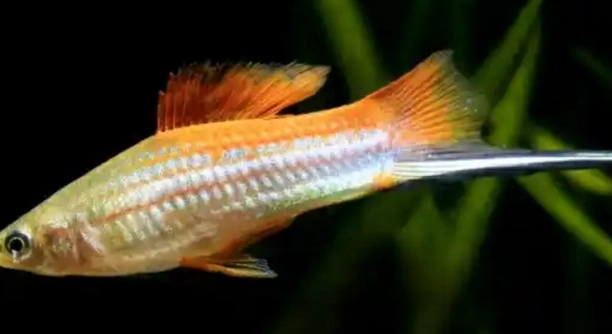
Swordtails are popular freshwater fish, often found in home aquariums. Their vibrant colors and lively nature make them a favorite for many. But when it comes to their social habits, how do swordtails prefer to live? Let’s explore.
Swordtails do enjoy being in groups, as they are social fish. In the wild, they form small schools to feel safe and secure. Keeping them in groups in aquariums helps reduce stress and supports natural behavior.
Understanding their social needs can help you create a more comfortable and healthy environment for them. This knowledge will guide you in providing the best care for your swordtails.
Why Swordtails Thrive in Groups
Swordtails are naturally social creatures. In the wild, they live in small groups, swimming together for protection and companionship. This behavior carries over into aquariums where they feel safer in the company of others. When kept in groups, swordtails tend to be more active, colorful, and confident. Being in a group also helps them express natural behaviors such as schooling, which provides mental and physical stimulation. If kept alone, they can become stressed, which may lead to poor health or less vibrant colors.
In an aquarium, having a group of swordtails can actually make caring for them easier. They are more likely to display healthy, normal behavior, which can help reduce any maintenance worries for the owner.
Keeping them together also promotes natural social interactions, like chasing and schooling. These activities can be fun to watch and help prevent aggression or stress from developing, which can happen when they are kept in isolation.
How Many Swordtails Should You Keep Together?
A group of at least three swordtails is recommended.
However, keeping more swordtails—ideally five or more—can provide better results. A larger group will offer them the chance to establish natural social hierarchies, which can reduce aggressive behavior. Swordtails are relatively peaceful, but in smaller groups, competition for territory or mates may cause tension. With a larger group, there is enough space for each fish to feel comfortable and establish their own place in the social structure.
It’s important to consider the size of your aquarium when determining how many swordtails to keep. A small tank may not be suitable for a larger group, as they need room to swim and spread out. Keeping swordtails in a space that feels open and not overcrowded will help them stay healthy and stress-free.
Swordtail Behavior in Groups
Swordtails are social fish that thrive on interaction. They are more active and vibrant when surrounded by others. In a group, swordtails display natural behaviors like schooling and chasing each other. This helps reduce stress and improves their overall well-being. When kept alone, they tend to become shy or lethargic, which can negatively impact their health.
In groups, swordtails also seem to establish a loose hierarchy. Though not overly aggressive, they do engage in mild displays of dominance, often through chasing or nudging. These interactions are a normal part of their behavior and allow them to define their positions in the group. It’s essential to provide enough space in the aquarium to avoid overcrowding, which could cause stress.
Their social interactions help prevent boredom and encourage exercise, which is vital for their health. Swordtails are known to be curious and enjoy exploring their environment with others. A well-maintained aquarium with a group of swordtails is often more lively and visually appealing.
Tank Size for Swordtails
Swordtails need ample space to swim and feel secure. A tank that holds at least 20 gallons of water is a good starting point for a small group.
If you want to keep a larger group, opt for a 30-gallon tank or more. A larger tank ensures they have enough room to swim and establish their own territories. Swordtails are active swimmers, and having enough space is key to preventing stress. Overcrowding can cause anxiety, aggression, and health problems.
When choosing a tank, consider the other fish you plan to add as well. Swordtails are peaceful but may be territorial with similarly-sized or aggressive species. A well-planned tank with sufficient space and hiding spots will help reduce any potential conflicts between the fish. Proper water filtration and regular maintenance are also crucial for keeping the tank clean and healthy for your swordtails.
The Best Tank Mates for Swordtails
Swordtails are peaceful fish, so they do well with other non-aggressive species. Fish that are similar in size and temperament make the best companions. Avoid aggressive or overly territorial fish, as they can stress out the swordtails. Peaceful community fish like guppies or mollies are great options.
When choosing tank mates, make sure the fish you select don’t compete for the same space or resources. Swordtails are easy-going, but they still need enough room to swim and feel safe. Keeping them with fish that respect their space will help create a calm and balanced tank environment.
Male and Female Swordtails in Groups
It’s generally a good idea to have more females than males in a swordtail group.
In mixed groups, males can sometimes become overly aggressive toward females, especially if they are outnumbered. Having more females helps spread the attention and reduces stress on individual fish. Additionally, if you want to avoid overbreeding, consider adding only one male per group.
Having a good male-to-female ratio creates a more peaceful and stable environment for your swordtails. Too many males can lead to chasing and constant competition for mates, which can result in stress and injuries.
FAQ
Do swordtails need to be in groups?
Yes, swordtails are social fish and thrive when kept in groups. In the wild, they form small schools to feel secure and protect each other from predators. Keeping them in groups helps them feel safe and reduces stress. A single swordtail might get lonely and more prone to stress or health issues. Ideally, you should keep at least three swordtails together, but larger groups of five or more are better for their well-being.
How many swordtails can you keep in a 20-gallon tank?
For a 20-gallon tank, it’s best to keep about 4-5 swordtails. Swordtails are active swimmers, and they need space to feel comfortable. Overcrowding can lead to stress and increase the risk of disease. If you want to keep a larger group, consider a tank of at least 30 gallons. This gives the fish room to move and maintain good water quality.
Can swordtails live with other fish?
Yes, swordtails are peaceful and can live with many other species, as long as those species aren’t aggressive. Ideal tank mates for swordtails include mollies, guppies, tetras, and other peaceful community fish. Avoid keeping swordtails with overly territorial or aggressive fish like bettas or cichlids, as these can cause stress or injury to swordtails.
Do swordtails get along with each other?
Swordtails generally get along with each other, especially when kept in groups. However, males can sometimes display territorial or aggressive behavior toward one another. This is more common if there are too many males in the group. To reduce aggression, it’s helpful to have more females than males. A good male-to-female ratio helps keep the group peaceful and balanced.
How long do swordtails live in a tank?
Swordtails typically live for about 3 to 5 years in a well-maintained aquarium. Their lifespan can vary based on factors such as water quality, diet, and tank conditions. Regular water changes, proper filtration, and a balanced diet can help ensure that your swordtails live a long, healthy life.
Are swordtails easy to care for?
Yes, swordtails are relatively easy to care for, making them a great choice for beginners. They don’t have complicated needs but do require a stable and clean environment. A well-maintained tank with good filtration and regular water changes will keep them healthy. Swordtails also thrive in a variety of water conditions, but they do best in slightly alkaline water with a temperature range of 72-82°F (22-28°C).
Can swordtails live with shrimp?
Swordtails can live with shrimp, but it’s important to consider the species of shrimp. Smaller shrimp, such as cherry shrimp, might get eaten by swordtails, especially if they are young or not well-established. Larger shrimp, like Amano shrimp, are generally safe with swordtails, as long as they have plenty of hiding places. Shrimp can also help clean the tank, which benefits swordtails.
Do swordtails need a lot of plants in their tank?
While swordtails don’t require a heavily planted tank, they do enjoy having some plants for cover and exploring. Live plants help create a natural environment and provide hiding spaces, which reduce stress and allow swordtails to exhibit their natural behaviors. Some plants, like java fern or Anubias, are easy to care for and provide shelter for swordtails.
How often should you feed swordtails?
Swordtails should be fed small amounts two to three times a day. Overfeeding can lead to water quality issues and obesity in fish. Provide a variety of foods, such as flake food, pellets, and live or frozen options like brine shrimp or daphnia. Be sure to remove any uneaten food after a few minutes to prevent it from polluting the tank.
Why are my swordtails not getting along?
If swordtails aren’t getting along, it’s often due to an imbalance in the male-to-female ratio. Too many males can cause aggression and chasing. If this is the case, consider adding more females to the group to help spread out the males’ attention. Ensuring plenty of hiding spots and space in the tank can also reduce conflict.
Final Thoughts
Swordtails are lively, peaceful fish that thrive in groups. They are an excellent choice for beginner aquarium owners due to their relatively easy care requirements. While they are social creatures, it’s important to keep them in groups of at least three to ensure they feel secure and healthy. Having more females than males in the group can help maintain harmony and prevent excessive aggression. The right balance in numbers and tank mates will make for a happier, stress-free environment for your swordtails.
When setting up a tank for swordtails, it’s important to keep their social needs in mind. A 20-gallon tank is suitable for a small group, but larger groups should have a bigger tank, such as a 30-gallon or more. Swordtails are active swimmers and need enough space to move around comfortably. You should also ensure the water quality is consistently maintained with proper filtration and regular water changes. The health and happiness of your swordtails will largely depend on how well their environment is maintained.
Keeping swordtails with other peaceful fish can help create a balanced and lively community tank. They tend to get along with other species as long as those species are not aggressive. However, it’s essential to choose tank mates wisely to avoid stressing your swordtails. With the right care, including proper tank size, feeding, and maintenance, swordtails can live long, healthy lives in a peaceful aquarium.

Hello,
If you enjoy the content that we create, please consider saying a "Thank You!" by leaving a tip.
Every little bit helps us continue crafting quality advice that supports the health, happiness, and well-being of pets around the world, for pets of all shapes, sizes, and species.
We really appreciate the kindness and support that you show us!