
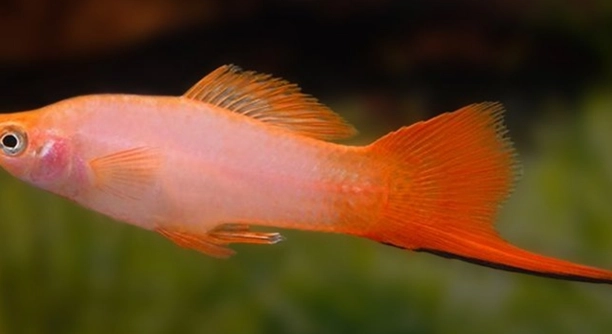
Do your swordtails often seem restless or behave oddly when you rearrange their tank or add more fish to the setup?
Swordtails generally do not prefer overcrowded tanks, as limited space can lead to increased stress, territorial disputes, and reduced water quality. Providing ample room and proper tank conditions helps support their health and natural behavior.
Tank size, decorations, and stocking levels can all influence your swordtails’ comfort and activity in their environment.
Why Space Matters for Swordtails
Swordtails are active swimmers that enjoy open space. When kept in a crowded tank, they can become stressed and show changes in behavior. You might notice them hiding more often or showing signs of aggression. Males, in particular, can get territorial when too many fish are around. Overcrowding also impacts water quality. Waste builds up faster, and oxygen levels drop, which can make the fish feel sluggish or sick. A good rule is to allow at least 15 to 20 gallons for a small group of swordtails. Add more space if you plan to include other species. They like plants and hiding spots but still need plenty of swimming room. It’s important to strike a balance between decorations and open space. Watching their behavior can help you know if they’re comfortable. If they swim freely and interact calmly, that’s usually a good sign.
Swordtails thrive best when they have space to swim and explore without constant competition for territory or resources.
Choosing the right tank size and setup from the beginning can prevent a lot of stress later. Your fish will be healthier and easier to care for when they aren’t squeezed into a small space.
Signs Your Tank Might Be Too Full
If your fish seem restless, hide a lot, or chase each other constantly, your tank may be overstocked.
Crowding can lead to stress-related health issues such as fin rot, low appetite, and even aggressive behavior. Swordtails may also start to display unusual swimming patterns or isolate themselves. These are signs they’re not feeling well. A tank that looks too busy, with fish bumping into each other or lacking resting areas, should be adjusted. Sometimes, it’s not the number of fish alone but the lack of hiding spots or poor filtration. Make sure you’re not only counting fish but also checking water quality. A good filtration system helps maintain cleaner water even in a full tank, but it doesn’t replace the need for enough space. Rearranging decorations, trimming overgrown plants, and checking your stocking levels every few months can help prevent issues. Watching your swordtails regularly makes it easier to spot when things need adjusting.
How Crowding Affects Water Quality
Too many fish in a small space means more waste, which can cause ammonia and nitrate levels to rise quickly. This makes it harder to maintain clean, safe water.
When the tank becomes overcrowded, your filter has to work much harder. Swordtails produce waste constantly, and with more fish in the tank, the balance between beneficial bacteria and waste output gets disrupted. Ammonia spikes can happen fast, especially if the tank isn’t cleaned regularly or if the filter isn’t strong enough. Poor water quality can lead to infections, faded colors, or lethargy in your fish. Swordtails might stop eating or begin gasping near the surface if oxygen levels drop. Regular testing and water changes become even more important in crowded tanks. If you’re noticing cloudy water or strong odors, those are clear signs that the tank might be too full.
Crowded tanks also make it difficult for beneficial bacteria to keep up with waste breakdown. Even if your filter is rated for the tank size, a higher fish load can outpace its efficiency. This means more frequent maintenance and greater risk of harmful spikes in water parameters. Over time, this can weaken your swordtails’ immune systems and increase the chance of illness. Managing stocking levels helps keep things stable.
Behavior Changes in Crowded Tanks
Swordtails often become more aggressive or anxious when they don’t have enough space. You may notice more chasing, hiding, or even fin-nipping among tankmates.
A peaceful swordtail can turn territorial if it feels threatened by a lack of space or constant movement around it. Males, in particular, are prone to fighting when the environment feels too tight. This can lead to injuries or stress-related illnesses. Female swordtails may also become skittish or inactive. Over time, constant tension can cause the group dynamic to shift, leading to more isolation and less natural behavior. You might see swordtails spending more time behind decorations or avoiding others altogether. These changes are usually a sign that they’re uncomfortable and overwhelmed. Providing extra room and visual barriers like plants can reduce this behavior and help restore balance in the tank.
How Crowding Affects Feeding Time
Feeding in a crowded tank can cause competition and stress. Some swordtails may eat too much while others get pushed away and end up underfed. Uneven feeding often leads to health problems and slow growth.
Extra fish means more leftover food, which breaks down quickly and harms water quality. This adds to the maintenance load and increases the risk of disease.
How to Create a Comfortable Setup
Start with the right tank size. A 20-gallon tank is a good minimum for a small group of swordtails, with additional space if you plan to add more fish. Include live plants and hiding spots, but leave enough open areas for swimming. Choose a good filter that handles biological waste effectively. Make sure there’s proper lighting and a consistent water temperature around 72–82°F. Regular water changes and testing help keep the environment stable. Spread out feeding to avoid competition and monitor fish behavior to catch problems early. A balanced tank setup reduces stress and keeps your swordtails healthy and active.
What to Watch Out For
Sudden changes in behavior, like hiding or darting, are early signs of overcrowding. Also look out for torn fins, gasping, or skipped meals.
FAQ
Can swordtails live with other fish in a crowded tank?
Swordtails can live with other species in a crowded tank, but it depends on the fish species. Community fish that are peaceful, like tetras or guppies, may do okay in a crowded tank with swordtails. However, some fish can be territorial or aggressive in small spaces. If overcrowding occurs, aggression and stress levels can increase, making it harder for all fish to coexist peacefully. Make sure the other species are compatible and that the tank can handle the extra bioload. It’s essential to monitor behavior and water quality closely.
How many swordtails should be kept together in a tank?
Swordtails are social fish and prefer to be in groups. A minimum of 4-6 swordtails is recommended for a balanced group dynamic. They can be kept in slightly larger groups if the tank has enough space, but overcrowding should be avoided. The number of swordtails in your tank will depend on its size. A 20-gallon tank can comfortably hold a small group, while larger tanks can support more. Ensure each fish has space to swim and that the water quality remains optimal.
What happens if a swordtail is kept alone?
Keeping a swordtail alone can lead to stress. Swordtails are naturally social fish and prefer to be with others of their kind. A solitary swordtail may become lethargic, lose its color, or exhibit signs of stress like hiding or lack of appetite. They might also become more susceptible to illness when isolated from their natural group dynamics. It’s best to keep swordtails in groups to ensure they feel comfortable and secure in their environment.
Is it necessary to add live plants to a swordtail tank?
Adding live plants is not strictly necessary, but they can significantly benefit swordtails. Plants help maintain water quality by absorbing excess nutrients and offering oxygen to the tank. They also provide hiding spots and reduce stress by offering shelter. Swordtails are naturally inclined to swim among plants and enjoy having a more natural environment. Plants can also encourage breeding behavior and make your tank more aesthetically pleasing. However, if you’re limited on space, you can still provide a healthy environment without them, as long as the other conditions are optimal.
How can I tell if my swordtail is stressed?
Stressed swordtails often show signs like hiding, reduced swimming, loss of color, or abnormal swimming patterns such as darting or hovering near the surface. If your swordtail starts eating less or acting more aggressively, it could also be a sign of stress. It’s crucial to monitor your swordtails closely for these changes. Overcrowding, poor water quality, and tank mates that cause stress are common reasons for such behavior. If these signs occur, take immediate action to address the stressor, whether that means adjusting tank conditions or adding more space.
Can overcrowding affect swordtail breeding?
Yes, overcrowding can negatively impact swordtail breeding. In a cramped tank, stress levels rise, and this can interfere with the fish’s natural reproductive behaviors. Male swordtails may become more aggressive toward females, and females may stop showing interest in breeding. Poor water quality can also harm the eggs or fry, making it difficult for them to survive. If you’re looking to breed swordtails, it’s essential to keep the tank properly sized and well-maintained. Providing a calm and healthy environment will increase the likelihood of successful breeding.
What is the ideal water temperature for swordtails in a crowded tank?
Swordtails thrive in a water temperature between 72°F and 82°F (22°C – 28°C). This range helps them stay active and healthy. However, in a crowded tank, maintaining a stable temperature becomes more crucial. Overcrowded tanks can cause heat build-up, especially if the filter isn’t strong enough or if there is insufficient water movement. It’s a good idea to have a reliable heater and thermometer to ensure the water stays within the optimal range. Regularly check the water temperature to avoid sudden fluctuations that could stress your fish.
How often should I clean a tank with swordtails?
Cleaning a tank with swordtails will depend on how many fish are in it. For a well-maintained tank, aim to perform partial water changes every 1-2 weeks. In overcrowded tanks, more frequent water changes may be necessary to maintain water quality. This is especially important if you’re dealing with higher levels of waste. Regularly vacuum the substrate to remove uneaten food and debris, and make sure the filter is running efficiently. Keeping the tank clean helps prevent diseases and stress, creating a healthier environment for your swordtails.
Can swordtails handle poor water quality in a crowded tank?
Swordtails are relatively hardy, but poor water quality can quickly lead to health problems, especially in a crowded tank. Overcrowding increases waste production, which, if not properly filtered, can lead to ammonia spikes, low oxygen levels, and high nitrate concentrations. These factors weaken the immune system and make swordtails more susceptible to infections and other health issues. Regular water testing and maintenance are essential for maintaining good water quality. Even though swordtails are hardy, their resilience can be tested in a poorly kept tank, and they may not survive long in such conditions.
How can I reduce aggression in a crowded tank?
Reducing aggression in a crowded tank involves offering plenty of space, hiding spots, and visual barriers. Swordtails can become aggressive, especially males, when they feel crowded or threatened. Adding plants or decorations can break up sightlines and create areas for fish to retreat. You can also try rearranging the tank to reduce territorial behavior. Ensuring that each swordtail has enough space to swim and explore will minimize the chances of aggression. Also, keep the tank well-maintained and check the water parameters regularly to keep stress levels low.
Final Thoughts
Keeping swordtails in a crowded tank isn’t ideal, but it’s not an impossible task if you manage the tank carefully. Swordtails are active and social fish, which means they thrive best in a spacious, well-maintained environment. Overcrowding can lead to stress, aggression, and health problems, but these issues can often be prevented with the right approach. Monitoring the tank’s size, stocking levels, water quality, and behavior can help you maintain a healthy and peaceful environment for your swordtails.
If you find yourself in a situation where the tank feels overcrowded, it’s essential to take immediate action. Consider reducing the number of fish or upgrading to a larger tank to avoid causing harm to your swordtails. Also, ensure that your tank has a strong filtration system and that water changes are done regularly. This helps maintain proper water quality, which is crucial for keeping your swordtails healthy. Adding live plants and decorations that provide hiding spots can help reduce stress and create a more natural environment. However, it’s still important to leave enough open swimming space for them.
Ultimately, the key to keeping swordtails happy in any setup is finding a balance. While they may tolerate some crowding, it’s essential to understand the limits. Swordtails are hardy fish, but like any species, they need the right conditions to thrive. Creating a tank that allows for healthy growth, natural behaviors, and peaceful interactions will lead to a better experience for both you and your fish. Always keep an eye on your fish, and don’t hesitate to adjust the setup if needed.

Hello,
If you enjoy the content that we create, please consider saying a "Thank You!" by leaving a tip.
Every little bit helps us continue crafting quality advice that supports the health, happiness, and well-being of pets around the world, for pets of all shapes, sizes, and species.
We really appreciate the kindness and support that you show us!