
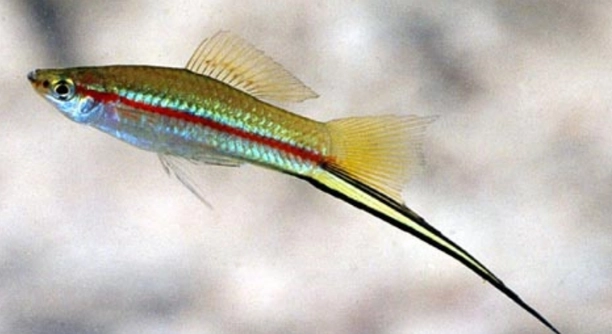
Swordtails are popular aquarium fish known for their colorful appearance and active behavior. While they are generally peaceful, it’s important to be aware of their habits when keeping them in a tank.
Swordtails can jump out of tanks, though it’s not a common occurrence. Their curious nature and energetic swimming can sometimes lead them to leap over tank barriers, especially if they feel stressed or cramped. Proper tank lids can help prevent escapes.
Ensuring your tank setup is secure will help reduce the chances of your swordtails jumping. This guide will provide helpful tips for keeping them safe in their environment.
Why Do Swordtails Jump?
Swordtails are energetic and curious fish, and their tendency to jump out of the tank is linked to their natural behaviors. In the wild, swordtails are known to dart quickly between plants and structures, often leaping to navigate around obstacles. This instinct can carry over into aquarium life, especially if they are startled or stressed. Jumping may also happen if the tank is overcrowded or the water quality is poor. Fish that feel trapped or threatened might try to escape their environment.
A lack of proper tank lid coverage can lead to unwanted jumps. Swordtails, like many other fish, will often swim near the surface of the water. If the water quality deteriorates or they feel confined, they might attempt to leap to a different location. It’s essential to recognize that while jumping is not always intentional, it can happen under certain conditions, like stress or feeling overcrowded.
To reduce jumping incidents, it’s recommended to ensure the tank is spacious, maintain optimal water conditions, and use a secure lid that keeps your swordtails safely inside.
How to Prevent Swordtails from Jumping
Maintaining a tank with proper lid coverage is one of the best ways to prevent swordtails from escaping. If the tank’s lid has gaps or is unstable, the risk of jumping increases.
A well-maintained tank can significantly reduce the chances of your swordtails jumping. Make sure there’s enough space for them to swim freely, and ensure the water quality is high by performing regular water changes. Keep the environment stable with a lid that fits securely, so your swordtails stay happy and safe.
Tank Size and Swordtail Behavior
The size of your tank plays a big role in your swordtail’s behavior. A small tank can make them feel cramped and stressed, leading to attempts to escape. Swordtails are active swimmers and need enough space to move freely.
In a crowded tank, swordtails may feel overwhelmed and are more likely to jump. A minimum of 20 gallons is recommended for a small group of swordtails. Larger tanks provide more space to swim, which helps reduce stress and minimizes the chances of jumping. Make sure to consider the size of your fish and the number of tankmates when choosing a tank size.
A tank that is too small can also lead to poor water quality, which further increases the likelihood of swordtails jumping. Fish produce waste that can build up quickly in a small tank. Regular water changes are crucial for keeping the environment clean and safe for your swordtails.
Water Quality and Stress
Poor water quality is another factor that can cause swordtails to jump. When the water is not well-maintained, it leads to stress and discomfort for the fish. Maintaining stable water parameters is key.
Swordtails are sensitive to fluctuations in temperature, pH, and ammonia levels. Stress caused by these changes can encourage jumping behavior. Regular water testing and maintenance ensure your swordtails are in a comfortable environment. Invest in quality filtration to keep the water clean and stable. Frequent water changes help remove toxins and replenish essential minerals, preventing conditions that might trigger a jump.
Fish that feel stressed from poor water conditions may display erratic behavior, including swimming erratically near the surface or attempting to leap. Proper water care reduces the risk of such stress and keeps your swordtails calm and happy.
Tank Lid and Escape Prevention
A secure tank lid is essential to prevent swordtails from jumping out. Even small gaps in the lid can give them an opportunity to escape. Investing in a well-fitting lid is an easy way to keep them safe.
Using a lid also helps maintain water temperature and prevent debris from falling into the tank. Swordtails that swim near the surface may spot a gap and try to leap out. A solid, secure cover will stop them from escaping and protect them from any potential harm outside the tank.
Handling Swordtail Stress
Swordtails are sensitive to environmental changes and handling. Stress from too many fish, loud noises, or sudden movements around the tank can lead to anxiety, which might cause jumping.
To minimize stress, avoid overcrowding the tank and provide hiding spots to help swordtails feel safe. Be mindful of any abrupt movements, as they can startle the fish. Creating a peaceful environment goes a long way in keeping your swordtails calm and preventing escapes. Regularly check on their health and behavior to ensure everything stays optimal.
Tankmates and Swordtail Interaction
Swordtails are peaceful but active fish. If kept with aggressive or overly dominant tankmates, they may feel cornered and stressed. This stress can lead to jumping as they try to escape the perceived threat.
Choose tankmates carefully to ensure they match the peaceful nature of swordtails. Avoid aggressive species that could bully or chase them. Providing plenty of plants and decorations helps swordtails hide and feel secure, reducing stress. A calm, balanced tank environment supports swordtails’ well-being, encouraging healthy interactions with other fish and minimizing jumping behavior.
FAQ
Why do swordtails jump out of the tank?
Swordtails may jump out of the tank due to stress, poor water quality, or cramped living conditions. They are active swimmers and, if they feel threatened, overcrowded, or uncomfortable, they may attempt to escape. Keeping their environment stable, with proper tank size and water quality, helps minimize this behavior.
What size tank do swordtails need?
Swordtails need a tank that is at least 20 gallons for a small group. A larger tank provides more space for them to swim and reduces stress. If they feel cramped in a small tank, they might jump out or exhibit other signs of stress, like erratic swimming or hiding.
Can I keep multiple swordtails together?
Yes, swordtails are peaceful and can be kept in groups. However, they need enough space to avoid territorial disputes. Overcrowding can lead to stress and aggression, which may trigger jumping behavior. A well-planted tank with plenty of swimming space will keep them happy in groups.
What are the signs that my swordtail is stressed?
Signs of stress in swordtails include erratic swimming, hiding, loss of appetite, and rubbing against objects. They may also swim near the surface more often, which is a sign of discomfort. Stress can also lead to jumping, so it’s important to monitor their behavior and make adjustments as needed.
How can I prevent my swordtail from jumping?
To prevent swordtails from jumping, make sure the tank is large enough, the water quality is good, and the tank is covered with a secure lid. Avoid overcrowding and keep tankmates that are peaceful and non-aggressive. A stable and stress-free environment will help minimize the risk of jumping.
What water conditions do swordtails prefer?
Swordtails prefer slightly alkaline water with a pH of around 7.0 to 8.0. The temperature should be between 72°F and 79°F (22°C–26°C). Regular water changes and a good filtration system will help maintain these conditions. Poor water quality, such as high levels of ammonia or nitrites, can stress swordtails and encourage jumping.
Can swordtails live with other fish?
Swordtails are peaceful and can live with many other species. However, they should be kept with other non-aggressive fish. Aggressive or overly dominant species can stress swordtails, causing them to jump or hide. Make sure tankmates are compatible and consider the size of the tank when adding new fish.
How do I know if my swordtail is healthy?
Healthy swordtails are active, have bright colors, and swim gracefully. They should have clear eyes, a smooth body, and no visible signs of injury or disease. If your swordtail becomes lethargic, loses its appetite, or shows any physical changes, it may be a sign of stress or illness. Regular water changes and maintaining optimal water conditions are essential for keeping swordtails healthy.
Is it safe to breed swordtails in a home aquarium?
Yes, swordtails are easy to breed in home aquariums. They are livebearers, meaning they give birth to live young instead of laying eggs. Make sure there is enough space and hiding spots for the fry (baby swordtails), as adult swordtails may eat them. The water conditions must be stable, and proper care is needed to ensure the fry grow healthy.
How can I reduce the stress in my swordtail’s tank?
To reduce stress, provide a tank that is not overcrowded, with plenty of swimming space and hiding spots. Use a reliable filtration system and perform regular water changes. Avoid placing the tank in areas with loud noises or constant movement. Peaceful tankmates and a stable environment will help your swordtail feel safe.
Can swordtails live in a tank with strong water currents?
Swordtails prefer calm to moderate water currents. While they are capable of swimming against light currents, strong currents can stress them out, making them more likely to jump or hide. If you have a strong filter, use a spray bar or other accessories to diffuse the water flow.
Final Thoughts
Swordtails are generally peaceful and active fish, but they can sometimes jump out of their tank due to various factors. Stress, poor water quality, overcrowding, or even the size of the tank can all contribute to this behavior. It’s important to ensure that your swordtails have enough space, good water conditions, and a secure tank lid to prevent them from escaping. Creating a comfortable environment for them will help keep them happy and reduce the chances of jumping.
One of the most effective ways to prevent jumping is to maintain a well-planted tank that provides plenty of hiding spots. This not only gives swordtails a sense of security but also reduces stress. Additionally, using a high-quality filtration system and performing regular water changes is crucial for keeping the tank water clean and stable. Swordtails are sensitive to fluctuations in water parameters, so stable conditions will keep them more comfortable and less likely to jump.
When choosing tankmates for swordtails, it’s essential to keep them with other peaceful fish. Aggressive or dominant species can cause stress, which may lead to jumping behavior. It’s also helpful to keep the tank free of sudden movements or disturbances. With the right tank setup, water care, and careful selection of tankmates, swordtails can thrive in your aquarium without the risk of jumping. Proper care is key to ensuring their well-being and keeping your tank secure.

Hello,
If you enjoy the content that we create, please consider saying a "Thank You!" by leaving a tip.
Every little bit helps us continue crafting quality advice that supports the health, happiness, and well-being of pets around the world, for pets of all shapes, sizes, and species.
We really appreciate the kindness and support that you show us!