
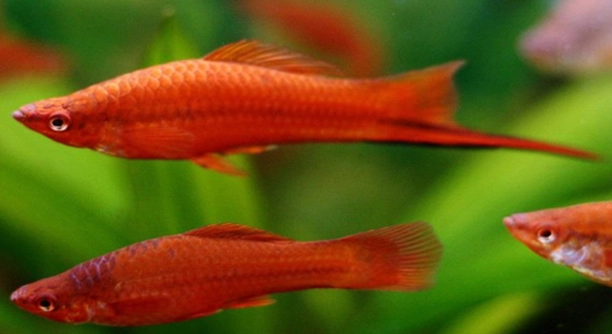
Swordtails are vibrant fish commonly kept as pets in aquariums. Known for their colorful appearance and active nature, they are a favorite among fish owners. But like all pets, their well-being can be affected by various factors, including light.
Swordtails can indeed become stressed or exhibit signs of depression if exposed to insufficient light. Light is essential for their daily rhythms, helping regulate their behavior and mood. Lack of proper lighting can lead to inactivity and even health issues.
Understanding how light impacts your swordtail’s mental and physical health is crucial. By ensuring proper lighting, you can help your fish thrive and avoid unnecessary stress or discomfort.
How Light Affects Swordtails
Swordtails, like many other fish, rely on light for their daily activities. Light helps regulate their biological clock, keeping them active during the day and allowing them to rest at night. Without the right amount of light, they may struggle to maintain normal behavior. This can lead to signs of stress or even depression. Their natural instincts include hunting for food, socializing, and swimming actively, which can be hindered by poor lighting conditions. If you notice your swordtails are less active or seem lethargic, it might be due to inadequate light.
To create a healthy environment, aim for 10-12 hours of light per day, mimicking natural day and night cycles. This will help your swordtails maintain a proper sleep-wake cycle. Keeping their habitat well-lit for a consistent amount of time each day supports their mental and physical health.
In addition to helping with mood regulation, proper lighting also encourages natural behaviors, such as breeding and exploring. Swordtails are more likely to engage in these activities when they have a healthy light schedule, which can lead to a happier, more vibrant fish.
Recognizing Signs of Depression in Swordtails
Depression in swordtails can sometimes be difficult to spot. A lack of movement, disinterest in food, or hiding more than usual could indicate they are not thriving. These behaviors can also be linked to poor water conditions, so it’s important to rule out other factors first.
If your swordtail appears less active or is spending more time at the bottom of the tank, consider whether they have enough light. A lack of light can lead to lethargy, reducing their overall activity levels and social interactions. A healthy light schedule promotes energy and well-being in these fish.
Adjusting your tank’s lighting may improve your swordtail’s behavior. Adding a reliable light source or extending the hours of light can reduce stress and help your fish feel more comfortable. Along with providing a proper diet and clean water, a proper lighting schedule can make a significant difference in their health.
The Importance of Consistent Lighting
Swordtails need consistent lighting to keep their daily routines in check. Fluctuating light patterns or irregular exposure to light can confuse their internal clock, affecting their behavior and overall health. It’s crucial to maintain a steady light schedule for their well-being.
Consistency in light duration ensures that your swordtails can distinguish day from night. This helps regulate their activity levels, sleep patterns, and appetite. Without enough light, they might become disoriented, leading to lethargy or depression. By setting up a regular lighting cycle, swordtails will experience less stress and stay more active.
While natural sunlight can provide light, artificial aquarium lights are often more reliable. Using a timer can help keep the light cycle consistent. For swordtails, a steady light source is just as important as water quality. Maintaining a proper light schedule is one of the simplest ways to ensure your swordtails are healthy and happy.
Tank Setup and Lighting Options
The right lighting can be easily achieved with a few simple adjustments. LED lights and fluorescent aquarium lights are two popular options for tank setups. These light types are energy-efficient and provide adequate illumination for the aquarium.
When choosing lighting, ensure that the light intensity matches the needs of your tank. Swordtails need moderate to bright light, depending on the tank’s size. It’s also important to consider the depth of your tank; deeper tanks may require stronger lighting to reach the bottom. Using a light with an adjustable intensity feature can help maintain a balanced light environment.
Adding live plants to the tank can also benefit your swordtails by absorbing excess nutrients. However, these plants may require different lighting needs, so finding a balance between plant growth and swordtail health is essential.
How to Adjust Lighting for Swordtails
If you notice your swordtails are sluggish, adjusting the lighting may help. Gradually increase the light exposure, starting with 8 hours per day and working up to 12 hours. This helps avoid sudden changes that could stress your fish. Use a timer to keep the schedule consistent.
Make sure the lights are turned off at the same time every day. Consistent lighting, in combination with water changes and a clean tank, supports the overall health of your swordtails. If you’re unsure about the right duration, 10 hours is often a good starting point for most aquarium fish, including swordtails.
Other Factors Affecting Swordtail Health
Besides light, water quality is essential for your swordtails. Maintaining clean water with proper pH levels and temperature ensures their well-being. Swordtails are also sensitive to high ammonia levels, so regular water testing and filtration are necessary. A stable environment is key to keeping them active and healthy.
Maintaining a Healthy Environment for Swordtails
Apart from lighting and water quality, swordtails benefit from stable tank conditions. Keep the tank at a consistent temperature, ideally between 72°F and 78°F. Avoid sudden temperature fluctuations, as this can stress the fish. Regularly clean the tank to remove waste and debris.
FAQ
How much light do swordtails need each day?
Swordtails need about 10 to 12 hours of light each day. This duration mimics their natural day-night cycle. Too much light can cause stress, while too little can lead to inactivity or depression. Consistent lighting helps swordtails stay active and healthy, supporting their natural rhythms.
Can swordtails thrive with natural sunlight?
While swordtails can benefit from natural sunlight, it’s important to monitor the intensity and duration of exposure. Too much direct sunlight can lead to algae growth, affecting water quality. Additionally, varying sunlight levels throughout the day can disrupt their internal clock. A combination of natural light and artificial aquarium lighting works best.
Is artificial light okay for swordtails?
Yes, artificial light is perfectly fine for swordtails. Aquarium lights, like LED or fluorescent options, provide consistent and controllable light. These lights are energy-efficient and help mimic the natural lighting conditions swordtails need. Using a timer ensures the light turns on and off at the same time each day.
What happens if swordtails don’t get enough light?
If swordtails don’t get enough light, they can become stressed, lethargic, or depressed. They may hide more often, stop eating, and avoid swimming. Lack of light also affects their biological rhythms, leading to irregular sleep patterns. Ensuring they get enough light supports their activity and general health.
Can swordtails adjust to changes in lighting?
Swordtails can adjust to changes in lighting, but it’s best to make adjustments gradually. Sudden shifts in light duration or intensity can cause stress. Start with shorter light periods and gradually increase them to allow the fish to acclimate. This helps prevent confusion or behavioral changes.
How do I know if my swordtail is stressed due to light?
If your swordtail is stressed due to improper lighting, it may display signs such as hiding more than usual, lack of appetite, or swimming erratically. Additionally, changes in color or a reduction in activity may indicate stress. Poor lighting can also lead to physical signs, such as faded colors.
Should I use a timer for the aquarium lights?
Using a timer for the aquarium lights is a smart move. A timer helps maintain consistency in lighting, which is crucial for swordtails. It ensures the light turns on and off at the same time each day, creating a stable environment for your fish. This consistency supports their internal clock and overall well-being.
What is the best type of light for swordtails?
LED and fluorescent lights are both good options for swordtail tanks. They provide sufficient light intensity without generating excess heat, which could harm the fish or plants. LED lights are energy-efficient and long-lasting, while fluorescent lights are affordable and commonly used for aquariums. Both types support healthy light cycles for swordtails.
Can swordtails breed without proper lighting?
Swordtails can breed even in low light conditions, but proper lighting encourages natural breeding behaviors. Adequate light promotes activity and helps regulate hormonal cycles, which is crucial for successful breeding. If you’re hoping to breed swordtails, providing them with consistent, moderate lighting can improve the chances of successful reproduction.
How can I prevent algae growth while keeping my swordtails happy?
Algae growth often happens when there’s too much light or excess nutrients in the water. To prevent algae while ensuring your swordtails stay healthy, limit direct sunlight and set a proper light schedule. Regularly clean the tank, and don’t overfeed your fish. Algae-eating fish and plants can also help maintain a balance.
Can poor water conditions affect swordtail behavior?
Yes, poor water conditions can affect swordtail behavior just as much as inadequate lighting. High ammonia levels, improper pH, and incorrect temperatures can lead to stress and illness. Swordtails need clean, stable water to stay active and healthy. Regular water changes and good filtration help maintain proper conditions.
Do swordtails need dark periods?
Yes, swordtails need dark periods for rest. Just as they need light for active behaviors, they also require darkness to sleep and recover. Without a proper dark cycle, swordtails can become stressed and experience disrupted sleep patterns. Maintaining a day-night cycle in your aquarium is key to their overall health.
Is it okay to use a bright light for swordtails?
Swordtails thrive in moderate to bright light, but it shouldn’t be overwhelming. Bright light can sometimes stress the fish, especially if it’s too intense or prolonged. Ensure that the light is spread evenly across the tank and that the swordtails have places to hide if the light becomes too much for them.
How does light affect swordtail growth?
Proper lighting encourages healthy growth in swordtails by providing the necessary energy to maintain their metabolism and overall activity levels. Without enough light, their growth may slow down, and they could develop health issues. Healthy light exposure promotes strong, vibrant swordtails that grow at a healthy rate.
Final Thoughts
Ensuring your swordtails get the right amount of light is crucial for their well-being. These fish rely on consistent lighting to maintain healthy sleep patterns, regulate their activity, and avoid stress. Too little light can cause them to become lethargic, hide more often, or even lose their appetite. On the other hand, too much light can lead to overgrowth of algae, which can harm both the tank environment and your fish. Finding a balance in the lighting setup is key to keeping swordtails active and healthy.
When setting up lighting for swordtails, aim for around 10 to 12 hours of light each day. This mimics the natural day-night cycle, helping your fish maintain their internal biological clock. Using a timer can make it easier to keep the schedule consistent. It’s also important to avoid sudden changes in light intensity or duration, as this can stress the fish. If you need to adjust the lighting, do so gradually to help swordtails acclimate to the new conditions without becoming stressed.
Remember, light is just one factor in creating a healthy tank for your swordtails. Water quality, temperature, and tank cleanliness also play a significant role in their overall health. Keeping a stable environment with good water conditions, regular tank maintenance, and a proper light schedule will support your swordtail’s health and happiness. Providing the right environment will help ensure that they stay active, social, and thriving in your aquarium for years to come.

Hello,
If you enjoy the content that we create, please consider saying a "Thank You!" by leaving a tip.
Every little bit helps us continue crafting quality advice that supports the health, happiness, and well-being of pets around the world, for pets of all shapes, sizes, and species.
We really appreciate the kindness and support that you show us!