
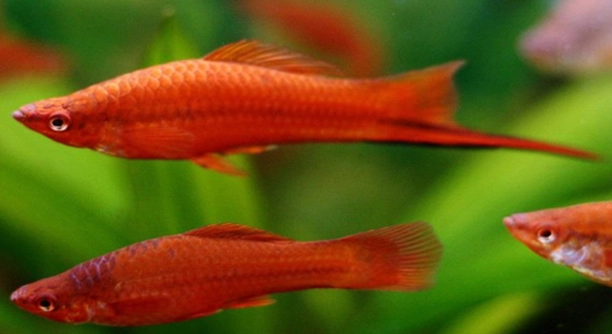
Swordtails are a popular fish choice for many aquariums, known for their lively nature and colorful appearance. However, it is essential to understand how their environment impacts their well-being. Plants play a significant role in their habitat.
Swordtails can become stressed or bored without plants in their tank. They thrive in environments that provide hiding spaces, stimulation, and opportunities to explore. Without plants, their behavior may be affected, leading to lethargy or aggression.
Adding plants to your tank can provide the enrichment swordtails need to stay active and healthy.
Why Plants Are Important for Swordtails
Swordtails, like many fish species, are active swimmers that need stimulation to stay engaged and healthy. In their natural environment, they swim around plants and natural elements that provide cover, food, and places to explore. Without plants, swordtails can quickly become bored and stressed. This stress can result in unusual behaviors like excessive hiding, aggression, or even lethargy. The addition of plants helps mimic their natural habitat, making the tank feel more like a real home. Additionally, plants help improve water quality by absorbing excess nutrients, which benefits the fish. Without these benefits, swordtails may not exhibit their usual vibrant colors or active behavior. Without the stimulation plants provide, they may become listless, sitting in one area of the tank for long periods, which is far from ideal for their health.
Adding plants offers more than just a natural look. It creates an enriching environment for swordtails to engage in natural behaviors like foraging, exploring, and hiding. This stimulation is crucial for their mental and physical health.
Plants also serve as natural filters, helping to reduce excess nutrients in the tank, which can lead to a healthier environment for swordtails. They promote oxygenation, which can enhance the fish’s overall health. Plants, especially live ones, help keep water clean, reducing the need for frequent water changes. This cleaner water leads to better conditions for the fish, preventing issues like algae growth and improving overall tank stability. Moreover, swordtails may graze on plant matter, adding some variety to their diet. This is especially beneficial if your swordtails are not receiving enough nutrients from their regular feedings. Adding plants isn’t just about aesthetics; it’s about creating a balanced ecosystem that can make your swordtails feel more at ease in their environment.
How to Choose the Right Plants for Swordtails
Choosing plants for your tank isn’t complicated, but it requires some thought. Swordtails do best with plants that are hardy and can thrive in a range of water conditions.
Low-maintenance plants, such as Java Fern, Anubias, and Cryptocoryne, are ideal. They don’t require much light and grow well in both low and high nutrient environments. These plants also give swordtails plenty of places to hide or swim through. Other options like Amazon Swords and Vallisneria offer larger leaves and more hiding spots, which swordtails enjoy. These plants also help reduce stress by creating boundaries that make the fish feel more secure. It’s essential to avoid overly delicate plants, as swordtails can sometimes nibble on them, causing damage. Also, consider the size of your tank when selecting plants to ensure they have enough space to grow.
Incorporating a variety of plants will keep your swordtails engaged and active. Additionally, plants will help establish a healthy tank environment by maintaining good water quality and providing the fish with hiding spaces.
Benefits of Live Plants for Swordtails
Live plants bring numerous benefits to your swordtail tank. They help maintain water quality by absorbing nitrates and providing oxygen. Live plants also mimic natural habitats, offering swordtails a more stimulating and comfortable environment.
Unlike artificial plants, live plants filter the water naturally, which reduces the frequency of water changes. Swordtails benefit from the increased oxygen levels, helping them stay more active and healthy. Additionally, plants provide a food source, offering nutrients from decaying matter. This helps keep your swordtails engaged, as they will occasionally nibble on plant leaves and algae. A tank with live plants supports the overall ecosystem and creates a balanced environment that benefits both your fish and the plants.
Live plants also encourage natural behaviors. Swordtails love to swim through plants, hide among them, or rest in their shade. This helps reduce stress, as the fish feel more secure and can explore their surroundings freely. The presence of live plants also promotes a stable environment, which is key to preventing disease and keeping swordtails happy.
Maintaining a Balanced Aquarium for Swordtails
A balanced aquarium is crucial for the health of your swordtails. This balance is achieved by managing water quality, light, and plants. Without proper maintenance, the tank’s environment can become unstable, leading to stress and potential health issues for the fish.
First, ensure the water temperature stays between 72-82°F, as swordtails thrive in this range. Regular water changes, along with monitoring pH levels and ammonia, are essential. In addition, keep an eye on the lighting; swordtails do best with moderate lighting that supports plant growth. Over time, plants can help absorb excess nutrients, preventing harmful algae growth.
Maintaining this balance also means monitoring your swordtails’ diet. Overfeeding can lead to waste buildup, which harms water quality. A controlled feeding schedule and efficient filtration will help maintain a clean, healthy environment for both plants and fish. It’s also essential to avoid overcrowding the tank, as swordtails need space to move around. Balancing all these factors ensures a stable and thriving tank that encourages healthy growth for plants and fish alike.
Common Plant Choices for Swordtail Aquariums
Popular plants for swordtail aquariums include Java Moss, Anubias, and Hornwort. These plants are hardy and can adapt to varying water conditions. They also provide swordtails with the right amount of cover and space to swim through.
Java Moss, Anubias, and Hornwort are great choices for any aquarium. These plants are low-maintenance and offer ample hiding spots for swordtails. Anubias can be attached to rocks or driftwood, while Java Moss grows freely. Hornwort, a floating plant, helps oxygenate the water while offering a natural look. All these plants can thrive in different lighting conditions and water types.
Potential Issues with Overcrowded Tanks
Overcrowding is a common issue in swordtail aquariums. Too many fish in a small space leads to stress and aggression. Swordtails need space to swim, hide, and explore.
Adding more fish than the tank can handle creates an unstable environment. Swordtails may feel stressed and aggressive, leading to territorial behavior. Overcrowding also reduces oxygen levels and increases waste, making it harder to maintain water quality. It’s essential to know the tank’s limits and avoid overstocking to ensure a healthier, happier environment for your swordtails.
Water Conditions for Swordtail Health
Swordtails thrive in stable water conditions. Keeping their tank clean and the water parameters balanced is key to their health.
Swordtails prefer water with a pH between 7.0 and 8.0. The temperature should remain between 72-82°F for optimal health. Regular water changes and proper filtration are important to keep the tank clean. Monitoring ammonia, nitrite, and nitrate levels will prevent harmful spikes that could harm your swordtails.
FAQ
Do swordtails need plants in their tank?
Swordtails don’t necessarily need plants to survive, but they thrive with them. Plants provide essential benefits like improving water quality, creating hiding spots, and adding natural stimulation. A tank without plants can make swordtails feel exposed or stressed, as they naturally seek areas to explore and hide. Plants, both live and artificial, offer these spaces, making the tank feel more secure for the fish.
What plants are best for swordtail aquariums?
Plants like Java Moss, Anubias, and Amazon Swords are ideal for swordtails. They are hardy, low-maintenance, and can survive in various water conditions. Java Moss is excellent for providing cover and oxygenation, while Anubias can be attached to decorations or rocks. Amazon Swords, on the other hand, provide a larger structure that swordtails enjoy swimming around.
Can swordtails live without live plants?
While swordtails can live without live plants, the lack of plants can affect their behavior. Without plants, swordtails may not have enough stimulation to stay active. They may become more stressed or even aggressive due to the lack of hiding spots or places to explore. Additionally, live plants help maintain cleaner water, which benefits the health of both the fish and the tank.
Do swordtails eat plants?
Swordtails may nibble on plants, but they are primarily carnivorous and will prefer to eat live food or fish flakes. However, some swordtails will graze on algae or soft plant leaves if they are hungry or the plants are not well-maintained. Choosing plants that are more resistant to nibbling, like Java Fern or Anubias, can help reduce the chances of them eating the plants.
How often should I clean the tank with swordtails?
Maintaining a clean tank is essential for swordtail health. Perform partial water changes of 25-30% every two weeks to keep the water quality high. Clean the tank’s substrate with a siphon to remove excess waste and debris. Check the filter regularly to ensure it is functioning properly. Cleaning the tank will also help maintain the plants’ health, as they depend on stable water conditions to thrive.
How do I prevent algae growth in a swordtail tank?
To prevent algae growth, avoid overfeeding your swordtails, as leftover food can fuel algae. Keep the tank well-maintained by performing regular water changes and cleaning the substrate. Limiting the amount of light the tank receives each day can also help prevent algae. Ensure that live plants are growing well, as they can help outcompete algae for nutrients.
What should I feed my swordtails?
Swordtails are omnivores and can be fed a variety of foods, including fish flakes, pellets, and live or frozen foods like brine shrimp and daphnia. Providing a balanced diet is essential to keeping swordtails healthy. Avoid overfeeding, as uneaten food can pollute the water, leading to poor water quality. A mix of plant-based and protein-rich foods will keep them strong and vibrant.
Do swordtails need a filter in their tank?
Yes, swordtails benefit from having a filter in their tank. A filter helps keep the water clean by removing waste and excess nutrients. It also oxygenates the water, which is important for swordtail health. A filter can also help maintain stable water conditions, ensuring the swordtails’ environment remains consistent and healthy. Make sure the filter is appropriate for the size of your tank.
How many swordtails can live together?
Swordtails are social fish and should be kept in groups of at least three. Ideally, you should aim for a ratio of two females for every male to reduce aggression from males who may compete for female attention. However, overcrowding can lead to stress, so make sure the tank is large enough to accommodate the number of fish you have. A 20-gallon tank is typically suitable for a small group of swordtails.
Can swordtails live with other fish?
Swordtails are generally peaceful and can live with other non-aggressive species. However, avoid keeping them with fin-nipping species or overly aggressive fish. They get along well with other livebearers like guppies and platies. Swordtails also do well in a community tank with species like tetras, corydoras, and mollies. Always research the temperaments of potential tank mates before adding them.
What temperature should the water be for swordtails?
Swordtails thrive in water temperatures between 72-82°F (22-28°C). Keeping the temperature within this range helps ensure that they remain healthy and active. If the temperature is too low, swordtails may become sluggish and more susceptible to illness. If it’s too high, it can lead to stress and a decrease in oxygen levels. A reliable aquarium heater is essential to maintaining a consistent temperature.
Final Thoughts
Swordtails are lively and colorful fish that thrive in well-maintained aquariums with the right balance of space, plants, and water conditions. While they can survive without plants, adding them to the tank improves their overall well-being. Plants offer benefits beyond aesthetics, such as providing hiding spots, improving water quality, and offering a natural environment for the fish. Choosing the right plants, like Java Moss or Anubias, can create a healthier and more enjoyable habitat for swordtails, helping to reduce stress and increase their activity levels.
Maintaining proper water conditions is key to ensuring the health of swordtails. Regular water changes, proper filtration, and monitoring temperature and pH levels will help keep the environment stable. Swordtails are sensitive to poor water quality, so it’s important to check the water parameters regularly to avoid harmful spikes in ammonia or nitrate levels. With proper care, swordtails can live a long and healthy life in your tank. Being attentive to the needs of the tank, such as keeping it clean and managing overcrowding, ensures that the fish stay comfortable and active.
In conclusion, swordtails are easy to care for but benefit greatly from a well-planted, clean tank with stable water conditions. While they can live without plants, providing a natural, enriched environment will enhance their quality of life. By offering the right mix of food, plants, and care, swordtails can thrive, adding color and vibrancy to any aquarium. With attention to their basic needs, swordtails will remain healthy and happy for years, making them a rewarding addition to your tank.

Hello,
If you enjoy the content that we create, please consider saying a "Thank You!" by leaving a tip.
Every little bit helps us continue crafting quality advice that supports the health, happiness, and well-being of pets around the world, for pets of all shapes, sizes, and species.
We really appreciate the kindness and support that you show us!