
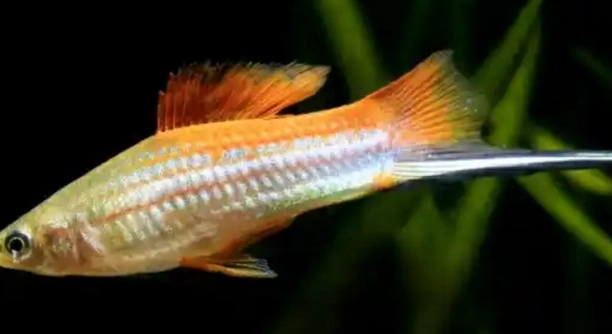
Swordtails are popular aquarium fish known for their beauty and energetic behavior. Many fish owners wonder about their social dynamics, including whether they form emotional bonds with one another or their human caretakers.
Research suggests that swordtails, like many fish species, display certain social behaviors, but these interactions are often driven by instincts rather than emotional connections. While swordtails may engage in activities like schooling and territorial displays, there is no evidence of complex emotional bonds.
Understanding the nature of swordtail behavior can help owners manage their care routine better, ensuring these fish thrive in a social, yet instinct-driven, environment.
Swordtail Behavior and Social Interaction
Swordtails are naturally social fish, often seen swimming together in groups. However, their interactions are largely based on survival instincts and environmental cues. These fish tend to group with others of the same species, especially in the presence of threats, for protection. Male swordtails may also display territorial behavior, especially when there is competition for mates. This behavior can be mistaken for emotional bonding, but it’s primarily a form of communication and competition.
While swordtails engage in group behavior, there’s no scientific evidence that suggests these fish form long-term emotional bonds with one another. They may appear to interact with each other closely, but their behavior is not driven by attachment in the way mammals or other more emotionally complex animals might behave. The social dynamics among swordtails are much more about survival and reproduction than emotional connection.
Understanding these behaviors helps aquarium owners create a more comfortable and natural environment for their fish. Swordtails will benefit from being kept in groups, but the focus should be on their basic needs rather than expecting emotional connections.
Emotional Bonds and Fish Species
While some fish species are known to form social connections, swordtails do not exhibit behaviors that strongly suggest emotional bonds. They engage in mating rituals and group interactions but without forming lasting emotional attachments.
The primary way swordtails interact is through instincts, which often revolve around mating, territory, and food. These interactions are functional rather than emotional. Their social dynamics are much simpler, focusing on immediate needs like protection and reproduction. Recognizing this allows owners to manage their aquarium setup effectively, ensuring the fish feel secure but not overburdened with expectations about bonding.
Swordtails are interesting creatures with specific social habits, but their interactions remain more instinctual than emotional. Keeping them in a supportive, stress-free environment is crucial, as this encourages natural behaviors without the assumption that emotional bonds will develop. Understanding the true nature of these behaviors helps both fish and owner thrive.
Social Behavior in Swordtails
Swordtails prefer to live in groups, a common trait among many species of fish. In the wild, they often gather for safety in numbers, reducing the chances of predation. In aquariums, they may show similar behavior, especially when feeling secure in their environment.
Though swordtails display social behavior, these interactions are mostly related to survival rather than emotional connections. They will form groups for mutual protection or when food is abundant. However, these groupings are often temporary, formed based on immediate needs, rather than long-term bonds.
In a tank, swordtails might not form lasting friendships, but they will thrive in groups. To keep them comfortable, it’s important to offer a well-balanced environment, with enough space, hiding spots, and food. This helps them behave naturally, creating a healthier tank dynamic.
How Swordtails Interact with Each Other
Swordtails may show aggression, particularly among males competing for dominance or mates. Their interactions can appear intense, with frequent displays of chasing or fin-flaring. However, this aggression is more about establishing territory than forming bonds.
Understanding these interactions can help avoid conflict in your aquarium. By ensuring a balanced male-to-female ratio, aggression can be minimized. It’s also helpful to provide plenty of hiding spaces for the less dominant fish, allowing them to retreat when feeling threatened. This creates a calmer environment for all swordtails, reducing stress and aggression.
Swordtails generally get along well when their tank conditions are ideal, with enough space and hiding spots. Proper management of their environment helps limit aggression, fostering a more peaceful atmosphere among these naturally social fish.
Swordtails and Mating Rituals
Mating rituals are an essential part of swordtail behavior. Males will often chase females in an attempt to court them. These displays can involve a variety of actions, such as showing off their tails and following the female closely.
The courtship process is based more on reproduction than any form of emotional connection. Swordtails do not exhibit signs of long-term attachment after mating. Instead, once the female is fertilized, she will carry the eggs until they hatch, and the cycle repeats.
Mating rituals in swordtails are straightforward, with males seeking to assert dominance and attract females. It’s a natural instinct for reproduction, not an emotional bond.
Territorial Behavior in Swordtails
Swordtails can become territorial, especially in confined spaces. Males often establish areas they claim as their own, chasing off other males to protect their territory. This behavior is driven by the need to secure a safe space for mating or feeding.
This territorial aggression is common in many fish species and doesn’t suggest any emotional attachment. It’s purely instinctive, meant to protect resources and ensure successful mating. In tanks with limited space, this can sometimes lead to stress or injury. Providing enough room and hiding spots can reduce conflicts and ensure a healthier environment for all.
Swordtails and Other Fish Species
Swordtails can coexist with other species in an aquarium, as long as the tank conditions support peaceful interactions. They are generally not aggressive towards different fish, but conflicts may arise if tankmates are overly territorial or disruptive.
FAQ
Do swordtails recognize their owners?
Swordtails, like most fish, don’t recognize their owners in the way mammals might. They do, however, become accustomed to their environment and may recognize feeding times or certain movements. This familiarity can make them less stressed during daily routines. But it’s important to note that their interactions with humans are driven by instinct, not emotional bonds.
Can swordtails form bonds with other fish?
Swordtails generally don’t form emotional bonds with other fish. They may interact with different species in the same tank, but their connections are not based on emotional attachment. Instead, swordtails are more likely to focus on their survival instincts, such as securing territory and finding food. They may appear social, but their interactions are functional, not emotional.
Do swordtails get lonely?
Swordtails do not experience loneliness in the way humans or mammals might. They are social in the sense that they prefer being in groups, but their need for companionship is more related to safety and comfort than emotional fulfillment. Keeping them in groups helps reduce stress, but it’s not because they form emotional bonds with each other.
Are swordtails aggressive towards each other?
Swordtails can be aggressive, especially the males. This aggression often stems from territorial behavior or competition for mates. In a smaller tank, the males may become more aggressive as they vie for dominance. However, this behavior is natural and typically decreases if there’s enough space and hiding spots for the fish to retreat.
Can swordtails live with other types of fish?
Swordtails can live with many other types of fish as long as the tank conditions are suitable. Peaceful species that don’t compete for the same food or territory are ideal companions. Swordtails might not get along well with overly aggressive fish, as their natural territoriality could cause stress or conflict. It’s important to choose tankmates that have similar care requirements and temperaments.
Do swordtails need a mate to be happy?
Swordtails don’t necessarily need a mate to be “happy,” as their behaviors are driven by instincts. However, having a mate is crucial for reproduction. If you keep swordtails in a tank with both males and females, they will likely engage in mating rituals. But outside of reproduction, swordtails do not form lasting bonds with their mates, and their happiness is more related to their environment than emotional companionship.
How can I tell if my swordtail is stressed?
Stressed swordtails might display unusual behaviors such as hiding more often, rapid swimming, or aggression. Physical signs of stress can include faded colors, clamped fins, or unusual swimming patterns. Stress in swordtails is usually caused by factors like overcrowding, poor water quality, or inappropriate tankmates. Ensuring the tank is well-maintained and spacious can help reduce stress.
Why is my swordtail not swimming normally?
If a swordtail isn’t swimming normally, it may be a sign of illness, stress, or injury. Check for any physical signs of damage, such as cuts or swelling. Poor water quality, improper water temperature, or a lack of space can also contribute to abnormal swimming behavior. Regular water testing and tank cleaning are essential for ensuring the fish remain healthy.
How long do swordtails live?
Swordtails typically live for about 3 to 5 years, although some can live longer if well cared for. Proper tank conditions, a balanced diet, and regular water changes can extend their lifespan. Avoiding stress factors such as overcrowding and poor water quality is key to keeping swordtails healthy for a longer time.
Do swordtails need a lot of space?
Swordtails do best in tanks with plenty of space to swim and explore. A minimum tank size of 20 gallons is recommended for a small group of swordtails. Overcrowding can lead to stress, aggression, and health problems. The more space they have, the more comfortable and healthy they will be. Adding plants or decorations can also provide hiding spots, which helps reduce aggression.
Final Thoughts
Swordtails are fascinating fish with unique social behaviors, but they don’t form emotional bonds in the way some mammals or other animals might. They may interact with each other in groups, often to ensure safety and comfort, rather than seeking companionship. These fish tend to form temporary social groupings, driven by instincts rather than affection or emotional attachment. Understanding their natural behavior helps in creating a tank environment where they can thrive without unrealistic expectations about their emotional connections.
When kept in the right conditions, swordtails can live peacefully in a group or with other compatible species. They don’t require emotional relationships to be happy; their focus is on their environment, including things like food availability, territory, and safety. Aggression is common among males, but this is usually related to territorial behavior and not emotional conflicts. By providing enough space, hiding spots, and suitable tankmates, you can minimize aggression and create a stress-free environment for your swordtails.
Ultimately, swordtails are hardy, adaptable fish that can live comfortably in a variety of setups. While they may not form long-term bonds or show emotional attachments, they still enjoy a peaceful and stimulating environment. Whether you’re keeping them for their beauty or as part of a larger aquarium community, focusing on their physical and environmental needs is the best way to ensure they remain healthy and active. With proper care and attention, swordtails can be a wonderful addition to any aquarium.

Hello,
If you enjoy the content that we create, please consider saying a "Thank You!" by leaving a tip.
Every little bit helps us continue crafting quality advice that supports the health, happiness, and well-being of pets around the world, for pets of all shapes, sizes, and species.
We really appreciate the kindness and support that you show us!