
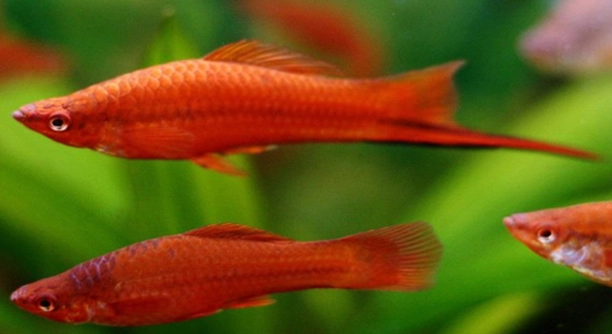
Swordtails are popular fish known for their peaceful nature, but sometimes they may engage in fighting. Understanding when this behavior occurs is essential for maintaining a harmonious tank environment. Knowing how to address it can make a difference.
Swordtails can fight for various reasons, including territorial disputes, mating behavior, or stress. If aggression is noticed, it may indicate overcrowding or an imbalance in the tank’s environment. Prompt action can prevent injuries or distress.
Addressing these issues early can ensure your swordtails thrive and reduce the risk of ongoing aggression.
Why Do Swordtails Fight?
Swordtails are generally peaceful, but fights can happen due to several factors. One common cause is territorial behavior, especially when males compete for dominance or mates. Overcrowding in a tank can increase stress levels, which may lead to aggression. Additionally, swordtails can be sensitive to water quality changes. When the environment becomes unstable, they may show signs of stress, which can lead to fighting. Mating behavior can also trigger aggression, particularly when males compete for female attention. These aggressive tendencies may become more pronounced if there aren’t enough hiding spots or plants for the fish to retreat to when needed.
Stress plays a significant role in swordtail aggression. Poor water conditions or overcrowding can easily trigger fights. Keeping the environment balanced is crucial to reduce tension.
To minimize fighting, provide adequate space, and ensure good water quality. Swordtails need room to swim freely and places to hide. Male aggression can be reduced by keeping a higher ratio of females to males. This helps prevent constant competition for mates.
When Should You Intervene?
It’s important to watch for signs of ongoing aggression.
If swordtails are fighting regularly, it’s time to step in. If there are visible injuries or fish are constantly hiding, the aggression may be too severe. When fights break out, separation is necessary. This can mean removing the aggressive fish temporarily or rearranging the tank to break up territorial boundaries. In some cases, adding new decorations or plants can create new hiding spots and reduce conflict. If aggressive behavior continues, it may be worth isolating the fish until it calms down.
It’s also important to monitor water conditions regularly. Poor water quality can exacerbate stress, which may make the swordtails more prone to aggression. Keeping a close eye on the fish, along with frequent water changes, helps to maintain a healthy, peaceful tank environment.
Identifying Aggression in Swordtails
Aggression in swordtails can be easy to spot. When they’re fighting, you might notice chasing, fin nipping, or head-butting. The fish will often posture, showing their fins in a defensive manner. These behaviors can become more aggressive if not addressed.
If aggression persists, the fish may start showing signs of injury, such as torn fins or scars. Males often engage in fights over territory or mating, so the intensity of the aggression can vary depending on the situation. The fish will likely show physical signs like torn fins, which could indicate more than just minor skirmishes.
Constant fighting will also lead to stress. Fish under stress are more likely to hide or refuse to eat. This can lower their immunity, making them more vulnerable to diseases. Keep an eye on their behavior to catch any aggression early and address it before it escalates.
Adjusting the Environment
Creating a peaceful environment is key to reducing aggression. One way to achieve this is by adding more plants or decorations. This will provide hiding spots for the fish and break up their line of sight. Swordtails are less likely to fight when they can retreat to a safe area.
Additionally, ensure the tank is not overcrowded. Overcrowding can increase stress levels, leading to more competition and aggression. A well-balanced tank with enough space for each fish will reduce the chances of territorial disputes. Proper filtration and regular water changes are also crucial in keeping the water quality optimal for your swordtails.
Lastly, consider adjusting the gender ratio. Having more females than males can help reduce the constant competition between males for mates. This simple change can significantly reduce aggressive behavior and create a calmer tank environment.
Handling Injuries from Fights
If your swordtails are injured due to fighting, it’s important to act quickly. Remove the injured fish and place it in a quarantine tank to prevent further stress. This helps them recover in a calmer environment.
Clean the wound gently with aquarium salt or a fish-safe antibacterial treatment. Keeping the water in the quarantine tank clean and stable will promote healing. Be sure to monitor the fish for signs of infection, such as swelling or redness.
If injuries worsen or the fish shows signs of not healing, consult a vet experienced in fish care. They can provide advice on further treatment.
Preventing Future Fights
To prevent future aggression, make environmental adjustments. Start by creating more hiding spaces in the tank, such as plants, rocks, or decorations. This allows fish to have personal space and reduces territorial conflicts.
Additionally, maintaining a balanced fish-to-tank ratio is crucial. Swordtails need enough room to swim comfortably. Keeping the tank well-maintained ensures that the water remains clear and clean, which can lower stress.
The gender ratio is another factor. Males may fight over females, so a higher number of females compared to males can reduce competition and conflict.
When to Consider a Larger Tank
If the aggression continues, it may be time to consider upgrading to a larger tank. Swordtails need ample swimming space to prevent territorial fights.
A larger tank provides more room for the fish to spread out and reduces stress. When setting up a new tank, ensure that it has enough hiding spaces, plants, and decorations to keep the fish calm. Consider placing the new tank in a quieter area of your home, away from excessive noise or movement.
FAQ
Why do swordtails fight?
Swordtails may fight due to territorial behavior, mating competition, or stress from poor water quality. Males, in particular, tend to become more aggressive when they compete for a mate. Territorial disputes can occur when there isn’t enough space or hiding spots in the tank. In some cases, aggressive behavior can also result from overcrowding or lack of proper filtration. Maintaining a balanced environment and monitoring the tank regularly can help reduce the chance of fights.
How can I tell if my swordtails are fighting?
Swordtails often display aggressive behaviors such as chasing, nipping at fins, or posturing. You’ll notice the fish showing their fins, especially the males, which can be a sign of a territorial dispute. These actions can escalate into head-butting or chasing one another around the tank. If you see any of these behaviors happening repeatedly, it’s likely that they are fighting.
How do I stop swordtail aggression?
The best way to reduce aggression is to ensure that the swordtails have enough space and hiding spots. Adding more plants and decorations can help create territories within the tank. If possible, keep a higher ratio of females to males, as this can reduce male competition for mates. Make sure the water quality is optimal, as poor conditions can contribute to stress and aggression.
Can swordtails live with other fish?
Yes, swordtails are generally peaceful and can live with other species. However, it’s important to choose tankmates that are non-aggressive and have similar care needs. Fish like guppies, mollies, and tetras usually make good companions for swordtails. Avoid keeping them with overly aggressive fish, as they might provoke fighting.
What should I do if swordtails are constantly fighting?
If swordtails are frequently fighting, the first step is to assess the tank’s environment. Check for overcrowding or lack of hiding places, and make the necessary adjustments. Consider adding more females to reduce male competition or rearranging the tank to break up territorial boundaries. If the aggression persists, separate the most aggressive fish temporarily to give them a break.
How can I tell if my swordtail is stressed?
Stressed swordtails may show signs such as hiding, erratic swimming, or reduced appetite. They might also display unusual behaviors, like rapid gill movement or darting around the tank. Stress can be caused by poor water conditions, overcrowding, or aggression from other fish. Maintaining a stable, clean environment is key to preventing stress.
Should I intervene if swordtails are fighting?
Yes, if you notice ongoing fighting or injuries, it’s important to intervene. Remove the aggressor or the injured fish to a separate quarantine tank. In some cases, rearranging the tank and adding more plants can help alleviate territorial disputes. If fighting continues, consulting with a fish expert or veterinarian may be necessary.
Can swordtail males fight each other?
Yes, male swordtails can fight over territory or mates. Male swordtails are often more aggressive than females, especially when competing for female attention. They may display aggressive posturing, chase each other, or engage in more serious physical confrontations. Reducing male competition by keeping more females in the tank can help prevent this behavior.
What are the signs of injury from swordtail fights?
Injuries from swordtail fights can be seen in the form of torn fins, cuts, or scars. Fish may also show signs of stress, such as hiding or swimming erratically. If you notice these injuries, it’s important to separate the affected fish to avoid further harm. Using a fish-safe antibacterial treatment can help prevent infection.
How can I reduce swordtail aggression during breeding?
During breeding, males may become more aggressive toward each other. To reduce aggression, ensure that there are plenty of hiding spots in the tank for the females to retreat to. Keeping a higher number of females than males can also help, as it reduces the competition between males for mates. Maintaining good water quality and a stable environment will also reduce stress and aggression.
What is the ideal tank size for swordtails?
Swordtails need a tank with sufficient space to swim. A minimum of 20 gallons is recommended for a small group of swordtails. Larger tanks are preferable if you plan to keep multiple fish or other species with them. Providing enough room for the fish to move freely reduces territorial disputes and stress.
Do swordtails need a filter?
Yes, swordtails need a filter to maintain good water quality. Filtration helps remove debris and toxins from the water, preventing health issues and stress. It’s important to regularly clean the filter and perform water changes to ensure the environment stays stable. Without a proper filtration system, swordtails may become stressed, leading to aggressive behavior.
Can I keep swordtails with other livebearers?
Yes, swordtails can typically be kept with other livebearers, such as guppies, mollies, and platies. These fish have similar care requirements and temperaments. However, be cautious of mixing species that may compete for space or food. Make sure there are enough hiding spots and swimming areas to keep all the fish comfortable.
How can I tell if my swordtail is pregnant?
Pregnant swordtails will show a noticeable dark spot near their abdomen, indicating the developing babies inside. The female will also appear rounder or more swollen as the pregnancy progresses. If you’re keeping swordtails with males, it’s important to separate pregnant females to prevent stress and avoid unwanted mating.
Do swordtails fight more in small tanks?
Yes, swordtails are more likely to fight in small tanks due to the lack of space and hiding areas. When swordtails feel confined, they may become stressed and more prone to aggression. Providing a larger tank with plenty of hiding spots can reduce fighting and keep the fish comfortable.
How do I stop swordtails from bullying each other?
Bullying can occur if one fish is constantly being harassed. To stop this, provide enough hiding spots and territories for each fish. If the bullying continues, consider removing the aggressor and temporarily isolating it. Adjusting the gender ratio and ensuring the tank is not overcrowded can also help prevent bullying.
Final Thoughts
Swordtails can be peaceful aquarium inhabitants, but they may fight due to various reasons such as territorial disputes, mating competition, or stress. While their aggressive behavior can be concerning, it’s usually manageable with the right approach. A clean and spacious tank with plenty of hiding spots is essential to reduce tension. Maintaining good water quality, adjusting the gender ratio, and ensuring the fish have enough room to swim can make a big difference in promoting harmony.
If you find that aggression persists despite these efforts, separating the aggressive individuals or making changes to the tank setup may be necessary. Sometimes, adding more females to balance the male-to-female ratio can ease competition. Creating multiple territories within the tank by using plants, rocks, and decorations also helps to minimize stress and reduce the chance of fights. When aggression results in injuries, isolating the injured fish in a quarantine tank can help them recover without further harm.
In conclusion, swordtail fighting is not always a serious issue, but it requires attention to maintain a peaceful environment. With proper care, understanding of their behavior, and a well-maintained tank, swordtails can live harmoniously. Regularly monitoring your tank and making necessary adjustments will help keep your swordtails happy and healthy, allowing them to thrive in their aquatic home.

Hello,
If you enjoy the content that we create, please consider saying a "Thank You!" by leaving a tip.
Every little bit helps us continue crafting quality advice that supports the health, happiness, and well-being of pets around the world, for pets of all shapes, sizes, and species.
We really appreciate the kindness and support that you show us!