
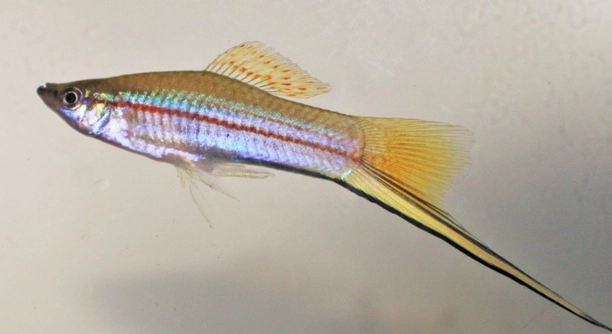
Have you ever noticed your swordtail fish swimming in circles or hiding more than usual in their aquarium? Sometimes, tank size can play a bigger role than we think in their behavior and well-being.
Swordtails can experience stress in small tanks due to limited swimming space, poor water quality, and increased territorial aggression. These stressors may lead to weakened immune systems, reduced activity levels, and changes in social behavior among tank mates.
Understanding how space and environment affect your swordtail’s mood can help you create a better tank setup for their health and comfort.
Why Tank Size Matters for Swordtails
Swordtails are active fish that enjoy swimming across the length of their tank. When confined to a small space, they may not get the exercise they need, which can affect their physical health. A small tank also makes it harder to maintain water quality. Waste builds up quickly, which can raise ammonia levels and cause stress or illness. Limited space can lead to more aggression, especially among males who compete for territory. These factors combined can lead to noticeable changes in behavior, like hiding, darting, or becoming less social. All of this creates a stressful environment, which isn’t good for long-term health.
A larger tank gives swordtails more space to swim and helps reduce conflict. It also makes it easier to maintain stable water conditions.
When you choose a tank for swordtails, it’s best to start with at least 20 gallons for a small group. This helps keep them active and reduces stress triggers. Extra space gives them room to spread out, swim freely, and form more stable social groups. Adding live plants, hiding spots, and a proper filter system will also help create a more natural environment. Swordtails are hardy fish, but they do better when they have room to move and breathe. A spacious tank truly supports their well-being.
Signs Your Swordtails Are Stressed
Watch for signs like loss of appetite, dull coloring, or sudden aggression. These often show up when tank conditions are not right for them.
Swordtails may start to act differently when they are under stress. You might see them hiding more often, swimming near the surface, or rubbing against objects. These behaviors can be responses to poor water quality or crowded conditions. Stressed swordtails may also show clamped fins or spend more time away from other fish. Sometimes, aggression increases if there’s not enough room for them to establish space. Reduced appetite and faded colors are also signs of discomfort. These changes are usually subtle at first, but over time, they can affect health. A stressed fish is more likely to get sick. That’s why it’s important to watch for behavior shifts early and adjust the tank setup before the situation gets worse. Regular monitoring helps keep swordtails happy and active in their environment.
How to Reduce Stress in a Small Tank
Start by checking your water parameters regularly. Poor water quality is one of the biggest causes of stress. Use a reliable test kit and perform partial water changes weekly to keep things stable.
Add plants and decorations to break up sight lines and give your swordtails places to hide. This helps reduce aggression and gives them a sense of security. Try rearranging the tank layout every so often to keep things interesting for them. Limit the number of fish in smaller tanks to avoid overcrowding. Feeding a balanced diet with high-quality flakes or pellets also supports their overall health. If you’re using a filter, make sure it’s not creating a strong current—they prefer gentle water flow. Keeping the tank in a quiet area with consistent lighting will also help lower stress levels. A calm, clean environment makes a big difference for their comfort.
Upgrading to a slightly larger tank can also ease stress in your swordtails. Even an extra five gallons can improve swimming space and water quality. If a larger tank isn’t possible, focus on improving what you already have. Adding live plants like Java fern or Anubias can help with oxygen levels and make the space feel more natural. Avoid sudden changes to water temperature or pH. Keep a routine—feeding, lighting, and cleaning should happen on a regular schedule. When you do water changes, make sure the new water is close to the tank’s current temperature. Stability is key to keeping swordtails relaxed. Every small step adds up to a healthier, more peaceful tank.
Ideal Tank Setup for Swordtails
A 20-gallon tank is the recommended minimum for swordtails. This gives them enough space to swim freely and establish personal space, especially if you have more than one male.
Use a long tank instead of a tall one, as swordtails are horizontal swimmers. Keep the water temperature between 72°F and 82°F, and make sure your filter provides gentle flow. Add hardy live plants and hiding spots like rocks or driftwood. This not only helps them feel safe but also gives your tank a more balanced look. Choose a fine gravel or sand substrate, which is easier to clean and safer for your fish. Make sure the lighting is not too bright, as harsh light can stress them out. Test water regularly and aim for stable conditions—pH between 7.0 and 8.3, and ammonia, nitrite at zero. This setup encourages natural behavior and helps them thrive.
Common Mistakes to Avoid
Overstocking is one of the most common mistakes in small tanks. Too many fish in a small space quickly leads to poor water quality and increased aggression, both of which can cause stress and illness in swordtails.
Another issue is skipping regular tank maintenance. Dirty water leads to ammonia buildup and unstable conditions. Cleaning the tank and changing a portion of the water weekly helps maintain a healthier environment and keeps stress levels low.
Do Swordtails Adapt Over Time?
Swordtails may adjust slightly to their environment, but long-term stress from a small tank often leads to health problems. While they might survive, they won’t thrive in cramped conditions. Over time, poor water quality, lack of space, and ongoing social tension can wear them down. Their immune systems weaken, and they may become more vulnerable to disease. Behavioral changes, like hiding or aggression, become more common. Even their colors might fade. Although some fish appear to adapt, it’s not a sign that they’re comfortable. It usually means they’ve grown used to stress, which isn’t healthy. Giving them the right environment is always better.
Final Thoughts on Tank Size
Swordtails need enough space to swim, explore, and interact without stress. A properly sized tank helps them stay active and healthy.
FAQ
Can swordtails live in a 10-gallon tank?
Swordtails can survive in a 10-gallon tank, but it’s not ideal. There’s limited room to swim, and water conditions can change too quickly. A small tank also makes aggression more likely. If you’re keeping just one or two swordtails temporarily, it might be manageable with strict maintenance, but a 20-gallon or larger tank is much better for their health and comfort. They need space to move around and room to stay away from each other when needed.
How many swordtails should be kept together?
Swordtails do better in small groups, with at least three to five individuals. It’s best to keep one male with two or more females to reduce aggression and stress. Having more females spreads out the attention from the male and helps maintain a peaceful environment. Keeping only males can lead to territorial fights, especially in small tanks. A larger tank allows for more stable social dynamics and fewer problems between fish.
Do swordtails get bored in a plain tank?
Yes, swordtails can become bored or stressed in a bare tank with no plants or hiding spots. They enjoy exploring their space and interacting with their surroundings. A plain setup with no stimulation may lead to unusual behavior like pacing, glass surfing, or hiding all day. Adding live plants, driftwood, and caves can keep them active and mentally engaged. It also gives them places to rest and feel safe, which reduces stress.
What are the signs of a healthy swordtail?
A healthy swordtail swims actively, eats regularly, and interacts with other fish. Its colors should be bright, fins open, and the body free from visible marks or damage. Healthy swordtails also breathe normally and don’t hover near the surface or hide excessively. If you see clamped fins, faded colors, or sluggish movement, something may be off. Regular observation helps catch any problems early before they become serious.
How often should I clean a small swordtail tank?
In a small tank, you should do partial water changes at least once a week. Clean uneaten food and debris off the bottom using a gravel vacuum. Don’t remove all the water—just 25–30% is enough. Clean the filter as needed, but avoid washing it with tap water since that can kill helpful bacteria. Keeping a routine helps prevent ammonia spikes and keeps swordtails comfortable.
Is it okay to keep swordtails with other fish in a small tank?
It’s possible, but not recommended. In a small tank, there’s less space to escape tension or establish territory. Swordtails can be peaceful but may become aggressive if they feel crowded. If you must keep them with other fish in a small tank, choose peaceful, small tank mates like neon tetras. Still, the safest option is to upgrade to a larger tank if you want to keep mixed species together.
Can swordtails live without a filter?
Technically yes, but it’s not safe. Filters help keep the water clean and stable. Without one, you’d need to do frequent water changes—sometimes daily—to maintain safe conditions. Even in a small tank, having a filter is important. It keeps the water moving and helps good bacteria grow, which breaks down waste.
Why do my swordtails chase each other?
Chasing can be a sign of mating behavior, establishing territory, or stress. Males often chase females to breed, which is normal. However, constant chasing can cause stress and exhaustion. If you see this often, check your tank size and fish ratio. One male to multiple females helps keep things calmer. In a small tank, there’s no escape, so it becomes more stressful for the fish being chased.
Can swordtails live in a bowl or vase?
No, swordtails should not be kept in bowls or vases. These containers are too small, lack proper filtration, and are difficult to heat or clean. Swordtails need space, clean water, and stable temperatures to stay healthy. Keeping them in such small setups usually leads to stress, sickness, and a shorter lifespan.
How long do swordtails live when cared for properly?
With good care, swordtails usually live between three to five years. A healthy environment, proper diet, and stable water conditions all help them reach their full lifespan. Regular tank maintenance and reducing stress factors like overcrowding go a long way in keeping them healthy and active.
Final Thoughts
Swordtails are colorful, active fish that bring life to any tank, but they do need the right space to stay healthy. A small tank may seem easier to manage, but it can lead to stress, poor water conditions, and behavior issues. These fish are best kept in tanks that give them room to swim, explore, and feel safe. A 20-gallon tank is usually the best starting point, especially if you’re keeping more than one swordtail. When they have space, they act more naturally and are less likely to get sick or fight with each other. Giving them a stable, comfortable home is one of the best ways to enjoy keeping swordtails long-term.
Small tanks are more difficult than they appear. Water conditions change fast, and there’s not much room for mistakes. Even simple things like leftover food or one extra fish can throw off the balance. That’s why tank size is not just about space—it’s about keeping everything stable and easier to manage. A bigger tank allows for more consistent temperatures, cleaner water, and healthier fish. It also gives you more options to add plants, decorations, and other fish without causing problems. This makes the whole experience more enjoyable for you and more peaceful for the fish.
Caring for swordtails doesn’t have to be hard, but it does take attention and good choices from the start. Picking the right tank size, adding hiding spots, and keeping up with maintenance are all small steps that make a big difference. Swordtails are hardy, but they still need the right environment to live well. Watching them swim around calmly and interact in a peaceful way is a good sign that you’ve set things up properly. Over time, you’ll learn what they like and what keeps them happy. The more you understand their needs, the easier it becomes to keep them healthy and stress-free. A well-set tank supports both your fish and your own enjoyment of the hobby.

Hello,
If you enjoy the content that we create, please consider saying a "Thank You!" by leaving a tip.
Every little bit helps us continue crafting quality advice that supports the health, happiness, and well-being of pets around the world, for pets of all shapes, sizes, and species.
We really appreciate the kindness and support that you show us!