
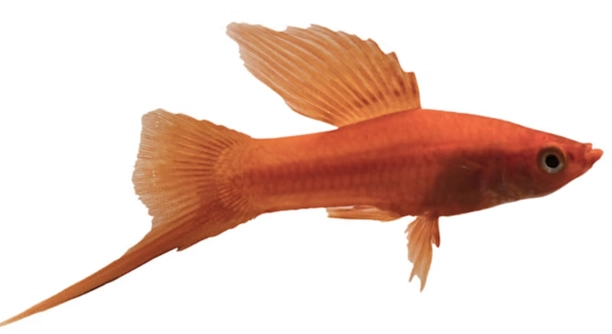
Swordtails are a popular fish among aquarium enthusiasts. Their colorful appearance and active nature make them an exciting addition to any tank. But, if you own swordtails, you might have noticed something unusual about their breeding habits.
Swordtails can breed almost constantly under the right conditions. Females can store sperm from males for weeks, allowing them to produce several batches of fry without needing constant mating. They breed throughout the year in optimal conditions.
Their ability to reproduce rapidly is influenced by factors like water temperature and the number of males in the tank. Understanding this can help you manage their breeding effectively in your aquarium.
How Swordtails Breed
Swordtails breed very easily and frequently in a well-maintained aquarium. A female swordtail can produce multiple batches of offspring without needing to mate each time. This is because female swordtails can store sperm after mating, allowing them to continue producing fry. Even if the males are not always present, the females can still give birth for weeks. The number of fry can be high, as each batch may contain anywhere from 20 to 100 tiny fish. Because of their quick reproductive cycle, swordtails can rapidly increase their population if not controlled.
Swordtails breed year-round under the right conditions. They need warm water, regular feeding, and a stress-free environment to maintain their reproductive rate.
Maintaining a balanced ratio of males and females is important in controlling breeding. If there are too many males, it can lead to stress for the females. Males may also fight with each other to mate, which can harm the fish and lead to a disrupted breeding cycle. Keeping one male for every two females is usually ideal. When the population starts growing too large, managing the number of males can reduce the breeding rate significantly.
Factors Influencing Swordtail Breeding
Water temperature plays a huge role in swordtail breeding. They thrive in temperatures between 75 and 80°F (24–27°C). At these temperatures, their metabolism speeds up, encouraging regular reproduction. Colder water will slow down their breeding process, while warmer temperatures may increase the rate of reproduction even further.
In addition to temperature, swordtails will breed more often in aquariums with plenty of space and hiding spots for the females. If females feel safe, they are less stressed, which can improve the chances of successful pregnancies. Fish that feel threatened or crowded may have fewer offspring. For the best results, swordtail breeders ensure the water is clean and filtered, as poor water quality can negatively impact breeding success.
Adding plants or decorations to your tank will give females places to hide, reducing stress and allowing them to carry the fry without constant disturbance.
How to Control Swordtail Breeding
Controlling swordtail breeding starts with managing the number of males. If you’re not ready for frequent births, consider having more females than males in your tank. This helps to reduce the chances of overcrowding and stress.
By limiting the number of males in the aquarium, you can prevent them from competing too aggressively for females. Swordtails can breed rapidly, and without control, you may quickly end up with more fry than you can care for. Removing the males occasionally and even separating them for some time can help manage the breeding.
Another method is to separate pregnant females or females with fry into their own tank. This ensures the new babies are protected, preventing the adult swordtails from eating them. Additionally, you can place a breeding trap or a net within the tank to keep pregnant females apart from the rest. Regularly monitoring the tank for new pregnancies will help you stay on top of the situation.
Impact of Tank Size on Breeding
The size of your tank directly affects swordtail breeding. A larger tank provides more space for fish to move around, reducing the likelihood of overcrowding. Swordtails are active swimmers, and a cramped environment can lead to stress, which may disrupt their breeding habits.
A bigger tank also means more hiding spots for females, where they can retreat and avoid unwanted attention from males. Providing plenty of plants or decorations also offers females a chance to safely give birth. If the tank is too small, this can lead to high stress and a reduction in successful pregnancies. A spacious tank with proper filtration will promote healthier breeding conditions.
In a larger tank, you can also maintain a better balance between males and females. With more room, swordtails are less likely to fight for territory or mates, helping to reduce stress and aggression. As a result, breeding becomes smoother, and you can maintain a better control over the population.
Breeding and Fry Care
Caring for fry after birth is crucial for their survival. They are very small and vulnerable, needing special attention. Immediately after birth, remove the adult swordtails to prevent them from eating the fry.
You can provide a separate nursery for the fry. Use a breeder box or a small tank with gentle filtration and plenty of hiding spaces. The fry will require a specific diet of finely crushed fish food or liquid fry food to ensure proper growth.
Monitoring water quality is essential during this stage. Fry are very sensitive to changes in their environment. Regularly check water parameters like ammonia, nitrites, and pH levels. Keeping the water clean and stable will help ensure a healthy development for the young swordtails.
Feeding Adult Swordtails
Adult swordtails need a varied diet to stay healthy and active. They thrive on a mix of high-quality flakes, pellets, and occasional live or frozen food like brine shrimp or daphnia. A diverse diet promotes proper breeding and good overall health.
Feeding them once or twice a day is usually sufficient. Overfeeding can lead to water quality issues, so monitor the amount you provide. Swordtails are not picky eaters, but giving them a balanced diet is key to their well-being and reproductive success.
Managing Overpopulation
Overpopulation can quickly become a problem if swordtail breeding is not controlled. Too many fish in the tank can lead to poor water quality, stress, and aggression. Regularly thinning the fry population is important.
You can either relocate the extra fry to another tank or give them away to other fish keepers. This ensures a manageable population while preventing overcrowding. Consider removing some of the adult swordtails if the tank becomes too full.
FAQ
Do swordtails breed constantly?
Yes, swordtails can breed quite frequently if the conditions are right. Females can store sperm for weeks, so they continue to produce offspring without needing to mate every time. As long as the environment is warm, clean, and stress-free, swordtails can breed year-round.
How many fry can swordtails have at once?
A single swordtail female can have anywhere from 20 to 100 fry in one batch. The exact number depends on the female’s size, age, and health. Larger, older females may produce more fry, while younger or smaller ones might have fewer.
Do swordtails give birth in groups?
No, swordtails do not give birth in groups. Each female typically gives birth to a batch of fry on her own. However, if there are several pregnant females in the same tank, it may seem like a group birth when, in fact, each female births at her own time.
Can I stop swordtails from breeding?
You can reduce or stop swordtail breeding by limiting the number of males in the tank. Having more females than males will decrease the likelihood of frequent breeding. Removing males altogether, or separating them for a period, will prevent mating. Additionally, lowering the water temperature can slow down the breeding process.
What is the best water temperature for swordtail breeding?
Swordtails breed best in water that is between 75°F and 80°F (24°C–27°C). Keeping the water temperature in this range encourages regular breeding. If the water is too cold, swordtails may breed less frequently, while very warm water can lead to even more frequent breeding.
Do swordtails eat their fry?
Yes, swordtails are known to eat their fry if given the chance. To protect the fry, it’s recommended to either separate the adults from the newborns or place the pregnant females in a breeding box or separate tank until they give birth. This way, the fry can grow without being eaten.
How do I know if my swordtail is pregnant?
Pregnant swordtail females will have a noticeably larger, rounded abdomen, especially as they near the end of their pregnancy. You may also notice a dark spot near the rear of the belly, which is the developing fry. This dark spot gets more visible as the pregnancy progresses.
How long are swordtail pregnancies?
The pregnancy of a swordtail typically lasts about 4 to 6 weeks, depending on water temperature and other conditions. Warmer water can speed up the pregnancy, while cooler temperatures may lengthen it slightly. As the female gets closer to giving birth, you will see the fry starting to develop inside her.
Can swordtail fry survive in the main tank?
Swordtail fry are small and vulnerable, so they usually need a safe place to grow away from adult fish. In a tank with other swordtails or other fish species, the fry are at risk of being eaten. Providing a separate area or breeding trap for the fry to grow is the best option.
What should I feed swordtail fry?
Swordtail fry need small, nutritious food. You can feed them powdered fish food, liquid fry food, or tiny live foods like brine shrimp. As they grow, they can start eating finely crushed flakes or small pellets. It’s important to feed them several times a day in small amounts to ensure they grow properly.
How can I prevent swordtails from overpopulating my tank?
Managing the number of males in your tank is crucial for controlling swordtail breeding. Ideally, you should have two or more females for every male. Regularly remove excess fry or rehome them. Keeping an eye on the tank’s population and controlling breeding will prevent overcrowding.
Are swordtails difficult to care for?
Swordtails are relatively easy to care for, making them a popular choice for beginners. They are hardy fish that adapt well to most aquarium conditions. However, maintaining proper water quality, a balanced diet, and controlling their breeding is important for their health and to keep the tank under control.
Can swordtails live with other fish?
Swordtails are generally peaceful and can live with other species of similar size and temperament. Avoid keeping them with overly aggressive fish that might stress them out or harm them. They’re also best kept with fish that thrive in similar water conditions, such as tetras or guppies.
How do I reduce stress in swordtails?
Stress can interfere with swordtail breeding and overall health. To reduce stress, ensure your tank has enough space for all the fish. Provide hiding spots with plants or decorations. Keep the water clean and at a stable temperature, and avoid sudden changes in the tank’s environment.
Final Thoughts
Swordtails are relatively easy to care for and breed, which makes them an enjoyable addition to any aquarium. Their vibrant colors and lively nature make them a popular choice among fish keepers. However, their ability to breed frequently can quickly lead to overpopulation if not carefully managed. It’s important to understand their breeding habits so you can maintain a balanced tank and prevent issues such as overcrowding or stress among the fish. Regular monitoring and controlling the number of males in your tank will help keep their population in check and ensure a healthy environment for all your fish.
By providing a comfortable and well-maintained tank with the right temperature, space, and hiding spots, you can encourage swordtails to thrive. The key to successful breeding lies in controlling factors like tank size, water quality, and the male-to-female ratio. Taking these steps will not only support healthy reproduction but also improve the well-being of your swordtails. If you choose to breed swordtails, remember to plan ahead for the fry. Removing the pregnant females or using breeding boxes can help keep the new babies safe from being eaten by the adults, giving them a better chance of survival.
Whether you’re looking to enjoy the natural breeding process or simply want to keep a healthy swordtail tank, understanding their needs and behaviors is essential. With proper care, swordtails will provide you with years of beauty and enjoyment. Keeping their breeding habits under control can prevent future problems, making it easier for you to manage the tank and enjoy your fish without any surprises.

Hello,
If you enjoy the content that we create, please consider saying a "Thank You!" by leaving a tip.
Every little bit helps us continue crafting quality advice that supports the health, happiness, and well-being of pets around the world, for pets of all shapes, sizes, and species.
We really appreciate the kindness and support that you show us!