
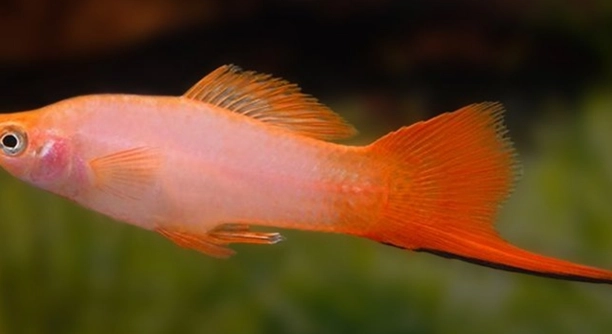
Swordtails are active and engaging fish, often observed swimming energetically in their tank. They are known for their playful and social nature, making them interesting to watch. This behavior can leave many wondering why they chase each other.
Swordtails chase each other primarily due to social interactions, including dominance, territoriality, and mating behavior. This activity is often a natural response to environmental factors such as available space, tank conditions, and the presence of other fish.
Understanding the reasons behind these behaviors will help ensure a healthier, more harmonious environment for your swordtails.
Why Swordtails Chase Each Other
Swordtails engage in chasing for several reasons, but the most common are territoriality and mating. Males often chase females to show interest or establish dominance. This behavior can be observed in both wild and tank environments. In some cases, a male may chase another male to assert dominance, particularly when there is competition for female attention. Tank size plays a significant role in this chasing, as smaller spaces increase territorial disputes. Stress from overcrowding or improper tank conditions may also lead to more frequent chasing. It’s important to keep in mind that swordtails are naturally active swimmers, so some chasing is expected in a healthy tank.
This chasing behavior is a natural part of swordtail interactions, driven by their instincts to establish order and secure mates. It’s essential to provide enough space for your swordtails to minimize unnecessary aggression.
To prevent excessive chasing, ensure that your tank is large enough to accommodate the number of swordtails you have. Additionally, provide hiding spots or plants to create territories within the tank. This helps reduce aggression and allows fish to retreat when they feel threatened. Regular water changes and maintaining proper water conditions are also important in managing stress levels, which can contribute to chasing behavior. Keeping your tank environment clean and well-maintained will ensure that swordtails can thrive without constant conflicts.
Swordtail Social Behavior
Swordtails have a natural tendency to chase and interact with each other. Their social structure often revolves around dominant males and receptive females. This creates a dynamic where males try to compete for the attention of females, especially during breeding periods. Males may display various behaviors, such as chasing or fin flaring, to attract females. Female swordtails, on the other hand, may engage in evasive maneuvers to avoid unwanted attention.
Understanding these behaviors allows fish keepers to provide a more stable and comfortable environment. By ensuring proper tank setup, the interactions between swordtails can remain natural and non-disruptive.
Tank Size and Swordtail Behavior
Swordtails need ample space to reduce competition and aggression. In smaller tanks, chasing becomes more frequent, as fish struggle to establish their territories. A tank that is too small can lead to increased stress, making the chasing behavior worse.
A 20-gallon tank is generally considered the minimum for swordtails, with larger tanks being more ideal for multiple fish. The more space they have, the less likely they are to constantly chase each other. Fish in a spacious tank are less territorial and can focus on other activities, such as swimming or interacting with plants. Larger tanks help maintain a peaceful and balanced environment.
Maintaining a proper water flow in the tank can also help reduce stress. Swordtails tend to thrive in a tank that mimics their natural habitat, where there is constant water movement. Adding plants, decorations, and hiding spots encourages healthy interactions. By creating a varied environment, swordtails are less likely to focus on chasing and more likely to engage in other natural behaviors.
How Many Swordtails Should You Keep Together?
Swordtails are social fish, but overstocking can cause problems. The general rule is to keep a ratio of two females for every male. This helps reduce the pressure males may feel in trying to mate with a single female, which can lessen aggressive chasing.
A group of six swordtails is a good starting point for a balanced social environment. This ensures enough females to allow the males to exhibit their natural behaviors without overwhelming the females. Keeping a proper balance of males and females promotes a more peaceful tank dynamic, reducing unnecessary competition. A well-structured group will result in less chasing and more enjoyable interactions.
To further manage social harmony, introduce swordtails gradually to the tank, allowing them to adjust to their new environment. Over time, swordtails will establish a social hierarchy, which helps maintain order. Even within a balanced group, occasional chasing may occur, but it should not be excessive.
Stress Factors That Contribute to Chasing
Stress can trigger increased chasing behavior in swordtails. Factors such as poor water quality, high water temperatures, and overcrowding contribute significantly to their stress levels. Fish under stress tend to become more territorial and aggressive.
Maintaining stable water conditions, such as appropriate temperature, pH, and hardness, is key to reducing stress. Swordtails are sensitive to fluctuations in their environment, and these stressors often lead to more frequent chasing.
Swordtail Tank Mates
When choosing tank mates for swordtails, consider peaceful species that won’t provoke aggression. Avoid fish with long, flowing fins or overly territorial behavior, as these can trigger chasing.
Good tank mates for swordtails include peaceful fish like tetras, rasboras, and mollies. They won’t compete aggressively with swordtails, allowing all fish to coexist peacefully. Ensuring compatibility among tank mates prevents territorial disputes, leading to a more balanced aquarium environment.
Male Swordtails and Breeding
Male swordtails often engage in chasing behavior during breeding periods. This is a natural instinct to show dominance and attract females. Males will chase and display their sword-like tail fins to catch the attention of females.
Providing ample hiding spots in the tank helps females avoid persistent males. While males may chase to mate, ensuring females have the space to escape can reduce stress. A well-maintained tank environment with plenty of plants and decorations will also give females a place to retreat.
FAQ
Why do swordtails chase each other?
Swordtails chase each other primarily due to social and reproductive behaviors. Males chase females to court them, showing off their tails in an attempt to attract attention. Males also chase each other to establish dominance, especially if there are several males vying for the same female. Territorial behavior is common among swordtails, and this can lead to chasing when they feel their space is being threatened.
How can I reduce excessive chasing in my swordtail tank?
To reduce excessive chasing, ensure your tank is large enough for the number of swordtails you have. Overcrowding often leads to stress, which increases aggression. Provide hiding spots using plants, rocks, or decorations to help swordtails establish their own territories. A balanced male-to-female ratio is crucial. Having more females than males reduces the competitive behavior. Maintaining good water quality and stable tank conditions can also help in reducing stress and aggression.
Do swordtails need to be in groups?
Yes, swordtails are social fish and do better in groups. A group of at least six swordtails is ideal, with more females than males. This reduces the likelihood of constant chasing and competition. When swordtails feel comfortable in a group, their interactions become more natural, and they spend more time swimming and exploring rather than focusing on aggressive behaviors.
Can swordtails live with other species?
Swordtails can live with other peaceful species, but it’s important to avoid aggressive or fin-nipping fish. Good tank mates for swordtails include mollies, tetras, and rasboras. These species typically have similar temperaments and won’t compete aggressively for resources. However, avoid placing swordtails with fish that have long, flowing fins, like bettas, as swordtails might chase them.
How do I know if my swordtails are stressed?
Stressed swordtails may display unusual behaviors, such as hiding more frequently, swimming erratically, or becoming less active. You may also notice fin clamping or a decrease in appetite. Stress can be caused by poor water quality, overcrowding, high water temperature, or incompatible tank mates. Regular water changes and maintaining a stable environment will help minimize stress.
What size tank do swordtails need?
A 20-gallon tank is the minimum size for a small group of swordtails. However, the larger the tank, the better, especially if you plan on keeping multiple swordtails. A larger tank allows swordtails to swim freely without feeling crowded, reducing territorial aggression. It also helps to maintain stable water conditions, which are essential for their health.
Why are my swordtails chasing each other non-stop?
Non-stop chasing could be a result of overcrowding, poor tank conditions, or a lack of hiding spaces. If the fish feel threatened or stressed, they might chase each other more often. Ensuring a proper tank size, maintaining water quality, and providing hiding spots can help ease this behavior. Additionally, make sure your swordtails are not competing for mates excessively, as this can cause constant chasing.
What is the best diet for swordtails?
Swordtails are omnivores, meaning they eat both plant and animal matter. A balanced diet should include high-quality flake food or pellets specifically designed for omnivorous fish. Supplement their diet with live or frozen foods such as brine shrimp, daphnia, or bloodworms. Vegetables like spinach, zucchini, or peas can also be included. A varied diet helps maintain their health and vibrant colors.
Can swordtails breed in a community tank?
Yes, swordtails can breed in a community tank, provided the conditions are right. They breed easily in home aquariums, and males will chase females to mate. To avoid overcrowding from baby swordtails, ensure there are plenty of hiding spaces for the females to escape the males’ advances. You can also separate the males and females if you want to control the breeding.
How can I tell if my swordtail is male or female?
Male swordtails are smaller and have a long, sword-like tail, which they use to attract females. They are also more brightly colored than females. Female swordtails are larger and have a shorter, more rounded tail. The differences are usually apparent when the fish are mature.
How do I prevent swordtail fry from being eaten?
To prevent swordtail fry from being eaten by adult fish, provide plenty of hiding spots. Plants, rocks, and decorations can give fry a place to escape. Alternatively, you can use a breeding trap or separate the females to give them a safe space to give birth. Additionally, feeding adult swordtails well can help reduce the urge to prey on the fry.
Do swordtails get along with other swordtail species?
Swordtails are typically peaceful towards other swordtail species, but like all fish, they may exhibit territorial behavior, especially in smaller tanks. To minimize aggression, keep a balanced group with more females than males. If you have other species of swordtails, ensure there is enough space for each fish to establish its own territory, which helps reduce competition and fighting.
How often should I change the water in my swordtail tank?
It’s recommended to change 20-25% of the water in your swordtail tank every week. Regular water changes help maintain stable water conditions and prevent the build-up of harmful toxins. Testing water parameters regularly ensures that the tank remains in optimal condition for your swordtails. A clean tank contributes to the fish’s overall health and reduces stress, which can lead to less aggressive behavior.
Final Thoughts
Understanding why swordtails chase each other can help maintain a peaceful and healthy tank environment. While some chasing is natural, driven by social and reproductive behaviors, excessive aggression often points to underlying issues such as overcrowding, poor water conditions, or stress. Swordtails, like many fish, thrive in a well-maintained tank with stable water parameters. Ensuring your tank is large enough and providing ample hiding spots for both males and females can reduce the likelihood of constant chasing. A balanced male-to-female ratio also helps reduce the competition for mates, which can lead to excessive chasing and territorial behavior.
It’s important to observe your swordtails closely to identify when chasing becomes problematic. If the chasing results in visible harm or constant stress, it may be necessary to adjust the tank setup. Increasing the number of plants and decorations, providing more hiding places, and maintaining water quality will all help create a more peaceful environment. Swordtails are social fish, and while they do need space and a certain level of territorial boundaries, they also benefit from interactions within a peaceful community. Understanding these dynamics can help foster a thriving environment for swordtails and any other fish you keep in your aquarium.
Lastly, swordtails can live harmoniously with other species when the right conditions are met. By choosing compatible tank mates and ensuring proper care, swordtails can exhibit their natural behaviors without excessive aggression. Maintaining a stress-free environment, offering a well-rounded diet, and ensuring your swordtails have the right space can all contribute to a harmonious tank. A balanced tank will not only reduce chasing behavior but also enhance the overall health and well-being of your swordtails. By providing them with the care they need, you can enjoy observing their natural behavior while ensuring they live in a stress-free, healthy environment.

Hello,
If you enjoy the content that we create, please consider saying a "Thank You!" by leaving a tip.
Every little bit helps us continue crafting quality advice that supports the health, happiness, and well-being of pets around the world, for pets of all shapes, sizes, and species.
We really appreciate the kindness and support that you show us!