
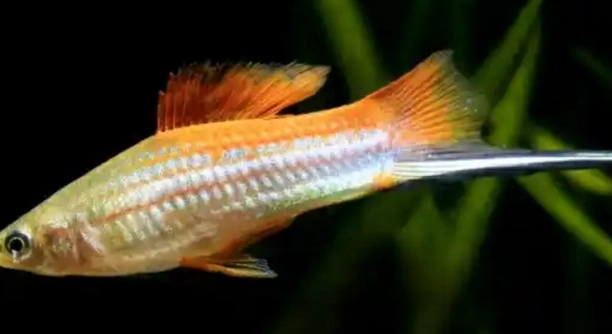
Have you ever watched your swordtail fish swim around and started to wonder if they prefer the company of their own kind?
Swordtail fish are not traditional schooling fish, but they are social and often group together loosely in shared spaces. While they don’t form tight schools like tetras, they do enjoy the presence of other fish and benefit from a peaceful group setting.
Learning about their social habits can help you create a more comfortable and natural environment for your swordtail fish at home.
Swordtail Fish Behavior and Social Patterns
Swordtails are peaceful, active fish that enjoy exploring their tank. They naturally seek out the company of others, especially when housed with other livebearers or similar species. While they don’t form structured schools, they do gather and swim near one another in a relaxed way. This behavior offers a sense of safety and calm, helping them feel more secure in their surroundings. In groups, they display more confident behavior and are less likely to hide. When kept alone or in stressful environments, swordtails can become shy or inactive. For this reason, keeping multiple swordtails—ideally in a group of at least five—encourages normal activity and supports their overall well-being. The more balanced and comfortable their tank environment, the more social they tend to be. A well-set aquarium with hiding spots, plants, and open areas gives them space to swim together while also providing areas to rest when needed.
Swordtails may show mild territorial behavior, especially males, but aggression is generally low.
Providing enough space and avoiding overcrowding will allow swordtails to display their usual calm and social behavior without stress.
Keeping swordtails in small groups gives them the comfort of shared space without forcing them into tight schools. They appreciate freedom while staying loosely connected.
Ideal Tank Setup for Grouped Swordtails
Avoid pairing too many males together, as it can lead to dominance displays and stress within the group.
A good tank setup for swordtails includes at least 20 gallons for a small group, with additional space for each extra fish. Swordtails are active swimmers, so they benefit from wide horizontal swimming areas. Add plants, rocks, and driftwood to offer hiding spots and reduce visual stress, especially for females. Keep water temperatures between 72–82°F and maintain clean water with regular changes. Balanced water conditions help prevent illness and support consistent activity. A ratio of one male to two or three females is often best for keeping peace among the group. Feeding should include a mix of flakes, pellets, and some plant matter like blanched spinach or zucchini. Stable lighting and a quiet environment encourage their natural social behavior. By giving swordtails what they need, you can help them thrive, interact calmly with one another, and remain active in their community without pressure to form tight schools.
Signs Your Swordtails Enjoy Group Living
Swordtails that feel secure in a group often swim together calmly, explore their surroundings, and interact without aggression. They may follow one another loosely or gather near plants and decorations in relaxed movements.
When swordtails are comfortable in a group, they tend to eat regularly, stay active, and show curiosity about their environment. You may notice them approaching the glass when you’re nearby or swimming freely around the tank. If they’re relaxed, their colors often appear brighter and their movements more fluid. They may pause together in shaded areas or gently swim in the same direction. These behaviors signal comfort and security. On the other hand, signs of stress like hiding, darting, or faded colors may indicate discomfort or an imbalance in group dynamics. Healthy swordtails generally appear calm and synchronized when the social setup feels right for them.
Avoiding conflict is another sign your swordtails are doing well in a group. Males may still chase females, especially during breeding, but this is common in livebearers. What matters is that the activity stays gentle and short-lived. Prolonged chasing or nipping, especially if one fish is being singled out, is a sign of imbalance. Observing group behavior over time helps you spot what’s normal versus what needs attention.
When Schooling Behavior Changes
Changes in swordtail behavior often relate to stress, illness, or environmental shifts. If your fish stop grouping together or become less active, check water quality, tank conditions, and group size to rule out possible causes.
Swordtails may temporarily separate from others if they feel threatened, are adjusting to a new tank, or recovering from illness. A lack of hiding spaces can also cause anxiety, making them retreat instead of gathering. If you notice one fish isolating itself regularly, it could be unwell or bullied by others. Watch for signs like fin damage, reduced appetite, or labored breathing. Environmental factors such as cold water, overcrowding, or poor filtration can also change their social behavior. To correct the issue, test water parameters, assess the tank layout, and make slow, steady adjustments. In many cases, small changes can help restore calm group behavior and prevent long-term problems.
Group Size and Compatibility
Keeping swordtails in small groups helps them feel more secure and encourages natural behavior. A group of at least five is ideal, with more females than males to prevent stress and constant chasing.
Mixing swordtails with other peaceful community fish like mollies or platies also works well. Avoid pairing them with aggressive or fin-nipping species.
Breeding and Social Dynamics
Swordtails are livebearers, meaning they give birth to free-swimming fry instead of laying eggs. In a group setting, breeding happens often, especially with multiple females and one or two males. Males will compete for female attention, which can increase chasing behavior. Keeping enough space and plant cover helps reduce stress and gives females places to rest. It’s common for fry to be eaten by adults unless hiding spots are available. Adding floating plants or dense decorations can help protect baby fish. Watching these interactions gives you insight into their social structure and helps you manage the tank more effectively.
Final Thoughts on Swordtail Social Behavior
Swordtails may not school tightly, but they still rely on group interaction. A balanced setup encourages calm behavior and supports their social needs.
FAQ
Do swordtail fish need to be kept in groups?
Swordtails are not strict schooling fish, but they do better in groups. Keeping at least five together helps reduce stress and encourages active behavior. When housed alone, swordtails can become withdrawn, shy, or inactive. A group setup supports their natural social habits and keeps them more relaxed and healthy.
How many swordtails should be kept together?
Aim for a minimum of five swordtails, especially in community tanks. Include more females than males—ideally two or three females per male—to reduce breeding stress and chasing. A well-balanced group helps prevent aggression and allows each fish to establish its space without constant pressure from others.
Can swordtails live with other fish?
Yes, swordtails are generally peaceful and do well in community tanks. They can be housed with other livebearers like mollies, guppies, and platies. Avoid aggressive or fin-nipping fish, such as tiger barbs or larger cichlids. Always check that tank mates share similar water and temperature needs before combining species.
Do swordtails show schooling behavior like tetras?
Swordtails do not school in tight formations like tetras or rasboras. However, they often swim near one another in a loose group. This behavior gives them a sense of comfort and helps them stay aware of their surroundings. They may swim apart at times but usually stay in sight of each other.
Why do swordtails chase each other?
Chasing is common, especially when males are competing for females or showing off. It’s a normal part of their social behavior, but it should not be constant or aggressive. If one fish is always being chased or hiding, the tank may be overcrowded or the male-to-female ratio may be off.
What happens if you keep only one swordtail?
A single swordtail may survive but often shows signs of stress or boredom. You might see it hiding more often, eating less, or becoming less active. While they don’t need to school, they are still social and benefit from the presence of others. Keeping them alone is not ideal long-term.
Can swordtails become aggressive in groups?
Mild aggression can happen, especially among males during breeding or when space is limited. They may chase or nip, but it should not be ongoing or severe. If aggression continues, try reducing the number of males, adding more plants, or increasing tank space to ease the tension.
What tank size is best for a group of swordtails?
For a small group of five swordtails, a 20-gallon tank is the minimum. Larger tanks provide more swimming room and allow for better separation of territories. Adding more fish or combining them with other species will require extra space to keep everyone comfortable and reduce stress-related behavior.
Do swordtails get lonely?
They don’t get lonely in the same way people do, but they do show more natural behavior and better health in groups. When isolated, they are more prone to stress. A group gives them social interaction, reduces anxiety, and makes them feel secure in their environment.
Will swordtail fry stay with the group?
Fry usually hide from adults, as most swordtails—parents included—may eat them. Provide hiding spaces with plants or decorations to improve survival. While fry may swim near the group as they grow, they will only join the main activity when they are large enough to avoid being eaten.
Final Thoughts
Swordtail fish are active, peaceful, and social. While they don’t form tight schools like some other fish, they still enjoy being around their own kind. Keeping them in small groups helps them feel safe, show natural behaviors, and remain active in the tank. A group of five or more, with more females than males, creates a calm and stable environment. Their behavior becomes more balanced, and you’ll notice them swimming near each other, interacting gently, and exploring the tank more confidently. Even though they don’t always swim in unison, their preference for company is clear in how they behave when kept together.
Setting up the right environment plays a big role in supporting their social needs. A spacious tank with clean water, hiding spots, and open swimming areas helps reduce stress and gives swordtails enough room to move freely. Adding plants, rocks, or decorations offers places to rest and retreat if needed. When tank conditions are stable and peaceful, swordtails thrive. They show their personalities more, become less skittish, and may even breed. Watching a well-kept group of swordtails can be both relaxing and rewarding, especially when you see how they interact without conflict or signs of discomfort.
Understanding their social behavior helps you make better choices when caring for them. While they don’t need to be packed in large schools, they shouldn’t be kept alone. Group living supports their well-being and prevents common problems like boredom or stress. Paying attention to how many males and females you keep, along with offering enough space and tankmates that match their peaceful nature, can lead to a healthy, active aquarium. Swordtails are not difficult to care for, but they do have simple social needs that matter. Meeting those needs with the right setup and group balance allows them to live comfortably and display their natural habits.

Hello,
If you enjoy the content that we create, please consider saying a "Thank You!" by leaving a tip.
Every little bit helps us continue crafting quality advice that supports the health, happiness, and well-being of pets around the world, for pets of all shapes, sizes, and species.
We really appreciate the kindness and support that you show us!