
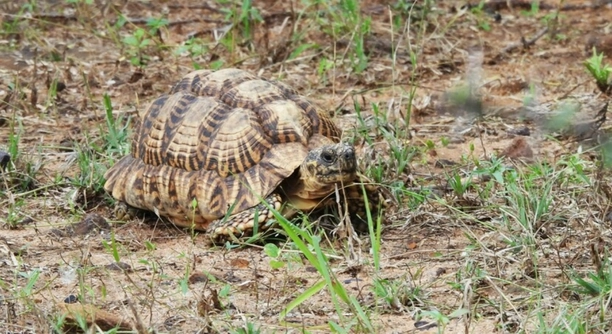
Star tortoises are fascinating creatures, and as a pet owner, you may wonder about their care. Understanding their behaviors, like shedding, is important for ensuring their well-being. This guide will provide clear insights into this topic.
Star tortoises shed their skin, though not frequently. The shedding process occurs in small patches, and it’s natural. The frequency and amount of shedding can vary depending on factors like age, health, and environmental conditions.
Understanding how and when star tortoises shed will help ensure your pet stays healthy. Keep reading to learn more about their care and what to expect during this process.
Why Star Tortoises Shed
Shedding is a natural part of a star tortoise’s life. As they grow, their skin needs to be replaced, which is why shedding occurs. The process helps them maintain a healthy outer layer, as older skin can become dull and damaged. Star tortoises shed to ensure that their new skin remains healthy and free of parasites.
Unlike some reptiles that shed in large pieces, star tortoises will shed in small patches. This makes it harder to notice, but it’s still important to observe your pet during this process. In the wild, shedding helps them keep their bodies in optimal condition. For pet tortoises, it’s part of their natural cycle, and it ensures they can continue to grow and thrive.
If you see your star tortoise shedding, it is generally not a cause for concern. However, if there are signs of irritation or unusual shedding patterns, it may indicate an underlying issue. This could include environmental stress or dietary problems.
When Should You Worry?
Sometimes, shedding can signal more than just a normal process. If your tortoise is shedding excessively or in patches that appear unhealthy, you may need to take action. A lack of hydration, incorrect temperatures, or a poor diet can all contribute to abnormal shedding.
A balanced diet and a properly maintained habitat help keep your tortoise healthy. Make sure they have access to fresh water and a suitable temperature range. Additionally, providing a space for them to bask is essential for their overall health and skin maintenance. If shedding is causing your pet discomfort, consider adjusting its environment or diet accordingly.
How to Help a Star Tortoise Shed Properly
To help your star tortoise shed properly, ensure they have a clean, humid environment. Proper humidity is essential for shedding. If the air is too dry, the skin may not shed easily, leading to discomfort or irritation. A humidity level of around 60-70% is ideal.
Providing the right temperature is just as important. A basking spot of around 95°F (35°C) allows your tortoise to regulate its body temperature, which is crucial for proper skin shedding. Ensure that your tortoise has access to both cooler and warmer areas so it can choose where to go based on its needs. Adjusting both the humidity and temperature will encourage healthy shedding and avoid stress on your pet.
Hydration is another factor that plays a key role in shedding. Make sure your star tortoise has access to fresh water at all times. Dehydration can cause shedding to become problematic, resulting in skin that becomes stuck or difficult to shed. Offering a shallow water dish can help ensure they stay hydrated throughout the day.
Diet’s Role in Shedding
A proper diet is essential for healthy shedding in star tortoises. The right mix of nutrients supports overall skin health. Ensure they receive a variety of leafy greens, vegetables, and some fruits. Foods high in fiber, calcium, and vitamins A and D are beneficial for their skin.
A lack of essential vitamins and minerals can lead to poor skin quality and irregular shedding. Without enough calcium, for example, star tortoises can experience difficulty in growing healthy shells, which may also affect their skin. Additionally, tortoises require a good balance of fat and protein in their diet for optimal growth and overall health. To support shedding, provide supplements like calcium dust for occasional use.
Making sure that your tortoise’s diet meets all its nutritional needs is critical for shedding properly. Ensure that you’re feeding a balanced diet tailored to their specific species and age. Over time, the right foods will help improve skin health, resulting in easier and more natural shedding.
The Importance of Regular Basking
Basking is vital for a star tortoise to shed properly. It helps them regulate their body temperature and maintain healthy skin. Without enough time spent basking, the shedding process may be hindered, leading to problems such as stuck or incomplete shedding.
Ensure your star tortoise has a proper basking spot with a temperature of about 95°F (35°C). This allows them to absorb the necessary warmth for digestion and skin health. If the basking spot is too cold or if your tortoise doesn’t bask enough, it can result in a lack of sufficient heat for proper shedding.
It’s important to monitor your tortoise’s basking habits. If you notice they avoid basking or seem uninterested, there could be underlying issues, such as incorrect temperature or stress. Regular basking promotes overall health, helping your star tortoise shed its skin naturally.
Handling Shedding Issues
If shedding issues arise, it’s important to address them quickly. Sometimes, star tortoises may have patches of skin that don’t shed properly. This can happen due to dehydration or stress from improper living conditions. If this happens, you may need to make adjustments.
If your star tortoise is having trouble shedding, it’s important to check their environment. Dry conditions or inadequate humidity can cause skin to become stuck. Ensure that your tortoise has access to a humid area, especially when shedding. If the problem persists, a visit to the vet may be necessary.
Common Signs of Stress
Star tortoises may show signs of stress during shedding. These signs can include irregular shedding patterns, a lack of appetite, or unusual behavior. Stress can be caused by poor environmental conditions, handling, or changes in diet. Monitoring your tortoise closely can help you identify these signs early.
FAQ
How often do star tortoises shed?
Star tortoises shed their skin several times a year, though the frequency can vary based on factors like age, health, and environmental conditions. Younger tortoises may shed more frequently, as they grow and their skin needs to be replaced. Older tortoises might shed less often, but it’s still an ongoing process. The shedding typically happens in small patches, which can go unnoticed unless closely observed. Providing the right conditions will help ensure that shedding occurs regularly and without complications.
What does healthy shedding look like?
Healthy shedding in star tortoises involves small patches of skin coming off naturally. The process should be gradual, without any visible discomfort or irritation. The skin underneath should look smooth and fresh, not cracked or damaged. During shedding, you may notice your tortoise’s skin becoming a little dull, but once the new layer emerges, it should look healthier and more vibrant. As long as there are no signs of bleeding, sores, or excessive dryness, the shedding is likely normal.
How can I help my star tortoise shed?
To help your star tortoise shed properly, make sure its environment is optimal. Maintain a humidity level of 60-70%, as dry air can make shedding difficult. You should also provide a basking area with the right temperature, typically around 95°F (35°C). Proper hydration is essential, so ensure your tortoise has access to fresh water. Feeding a balanced diet with the right nutrients will support healthy skin and shedding. Regularly check for signs of incomplete shedding and adjust conditions if needed.
Can I remove the shedding skin?
It’s best not to remove the shedding skin manually. Star tortoises usually shed in small patches on their own, and trying to remove it can cause harm or stress to the tortoise. If the skin is stuck or causing discomfort, you can gently soak your tortoise in warm water to help loosen it, but avoid pulling the skin off. Allow the shedding to happen naturally, as this is the healthiest way for the tortoise to replace its skin.
Why is my star tortoise shedding excessively?
Excessive shedding in star tortoises could be a sign of underlying health issues, stress, or environmental problems. One common reason is dehydration, which can lead to dry and flaky skin. Poor diet or improper habitat conditions can also contribute to abnormal shedding. If you notice your tortoise shedding more than usual, check its temperature, humidity, and diet. If the issue persists, it’s advisable to consult a veterinarian for a thorough health check.
What should I do if my star tortoise’s skin looks unhealthy?
If your star tortoise’s skin appears unhealthy, such as being dry, cracked, or discolored, it’s important to address the issue promptly. Ensure the tortoise’s habitat is properly set up with adequate humidity and temperature. Consider adjusting its diet to include more nutrient-rich foods, such as dark leafy greens and calcium supplements. If the skin condition doesn’t improve, or if there are signs of infection or injury, take your tortoise to the vet for proper treatment.
Can I use a humidifier for my star tortoise?
Yes, a humidifier can be a helpful tool in maintaining the correct humidity level for your star tortoise. A humidifier can be placed in the enclosure to help keep the air moist, especially if you live in a dry climate. However, it’s important to monitor the humidity levels carefully. Too much moisture can lead to other health issues, such as respiratory infections. Aim for 60-70% humidity, and make sure the tortoise has access to dry areas as well for temperature regulation.
How do I know if my star tortoise is dehydrated?
Dehydration can be tricky to spot in star tortoises, but there are a few signs to look out for. A dehydrated tortoise may have sunken eyes, dry or flaky skin, and a reduced appetite. You may also notice that your tortoise is less active than usual. Dehydration can make the shedding process difficult, as the skin may become tight and difficult to shed. If you suspect dehydration, increase the humidity in the enclosure and ensure that fresh water is always available. Offering water baths can also help hydrate your tortoise.
Can stress affect my star tortoise’s shedding?
Yes, stress can affect your star tortoise’s shedding. Factors like changes in the environment, handling, or a poor diet can cause your tortoise to become stressed. Stress may lead to irregular shedding or an incomplete process. If your tortoise seems stressed, try to reduce handling and make sure the living conditions are ideal. Keep the enclosure consistent in temperature and humidity, and provide a calm, quiet environment. Ensuring your tortoise feels secure can help it shed properly and maintain overall health.
Is it normal for my star tortoise to shed in patches?
Yes, shedding in patches is completely normal for star tortoises. Unlike snakes, which often shed in one large piece, star tortoises shed in small, uneven patches. This process helps them replace old skin without discomfort. While it might look unusual, as long as there are no signs of irritation or injury, it’s part of the natural shedding cycle. Keep an eye on your tortoise to ensure the shedding continues smoothly, and avoid interfering with the process.
Final Thoughts
Caring for a star tortoise requires attention to detail, especially when it comes to their shedding process. Understanding how often they shed, how to help them, and what signs indicate potential problems can make a significant difference in their health. Regular basking, the right humidity, and a balanced diet are key to promoting healthy shedding. Ensuring the proper environment for your tortoise is essential for them to shed their skin naturally and comfortably.
It’s important to remember that shedding is a normal process for star tortoises, but it can sometimes present challenges. Issues like stuck skin or excessive shedding can signal health concerns or environmental problems. By monitoring their behavior and the conditions in their habitat, you can address these concerns early. If your tortoise has trouble shedding, there are simple steps you can take, like adjusting humidity levels or offering more hydration, to assist them. However, always seek advice from a veterinarian if you’re unsure or if the problem persists.
In the end, star tortoises are resilient creatures, and with the right care, they will continue to thrive. Providing a stress-free environment with appropriate basking areas, humidity, and diet will ensure they shed properly and remain healthy. Understanding the signs of stress, dehydration, and skin problems will help you keep your tortoise happy and comfortable. By staying proactive in your care routine, you’ll help your star tortoise live a long and healthy life.

Hello,
If you enjoy the content that we create, please consider saying a "Thank You!" by leaving a tip.
Every little bit helps us continue crafting quality advice that supports the health, happiness, and well-being of pets around the world, for pets of all shapes, sizes, and species.
We really appreciate the kindness and support that you show us!