
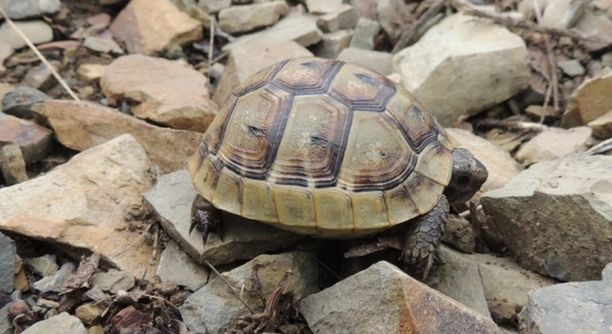
Russian tortoises are a popular pet choice for many reptile lovers. Their care requirements can be confusing, especially when it comes to maintaining the proper environment for them. Heat lamps are often debated among owners.
Russian tortoises do require a heat source to maintain their body temperature, but they do not need a heat lamp specifically. Instead, a heat mat or basking spot can provide the warmth they need without the intense light exposure.
Understanding their habitat needs will help ensure your tortoise stays healthy and comfortable. This article will clarify what you need to know to keep your pet thriving.
Why Do Russian Tortoises Need Heat?
Russian tortoises, like most reptiles, are cold-blooded, meaning they cannot regulate their body temperature internally. This makes a controlled environment crucial for their health. In the wild, they experience natural sunlight and warmth, which helps their digestion and overall well-being. Without a heat source, your tortoise could become lethargic, lose its appetite, or even develop health issues like shell deformities. In captivity, providing the right temperature through heat mats or basking spots replicates the warmth they would find in their natural habitat. A consistent temperature between 75°F and 85°F during the day is ideal, with a slight drop at night to mimic natural conditions.
However, you don’t necessarily need a heat lamp. A heat lamp might work for some, but there are alternatives, such as ceramic heat emitters or heat mats. These provide the warmth your tortoise needs without the added light, which can disrupt their sleep cycle. The key is ensuring your pet has access to warm areas while maintaining a proper day-night rhythm.
Be mindful that overheating can also harm your tortoise. Always measure the temperature in the basking spot using a thermometer to avoid extreme heat. Maintaining a balanced environment is essential for a healthy, active tortoise.
Types of Heat Sources for Russian Tortoises
Heat mats are one of the most effective options for providing warmth without extra light. Placed under the tank or habitat, they offer gentle heat directly to the tortoise’s shell, helping to regulate its body temperature.
Heat lamps can be used, but they often emit light as well, which might disturb the natural behaviors of your tortoise. Some owners prefer these because they combine warmth and light, but they should only be used carefully to avoid stress.
Temperature Ranges for Russian Tortoises
Russian tortoises thrive in a specific temperature range. The daytime temperature should stay between 75°F and 85°F, while nighttime temperatures can drop slightly to around 65°F. This temperature drop mimics natural conditions and encourages a healthy sleep cycle.
Maintaining a proper gradient within the tank is essential for your tortoise’s well-being. Place the heat source at one end to create a basking area, while the other side should be cooler. This allows your tortoise to regulate its body temperature by moving between the warm and cool areas as needed.
A temperature drop at night encourages natural behavior. Avoid keeping your tortoise in a space that is too warm or too cold. Overheating can lead to dehydration, while being too cold may cause the tortoise to become sluggish or inactive.
Effects of Heat on Russian Tortoises’ Health
Providing adequate warmth is vital for your tortoise’s digestion. Without enough heat, your tortoise’s metabolism slows down, leading to digestive problems. It also can’t absorb nutrients properly from its food. A heat source promotes better digestion and helps your tortoise process food more efficiently.
In addition to digestion, temperature affects your tortoise’s immune system. If they are kept too cold, they may become more susceptible to infections and illnesses. Consistent warmth supports their immune system, keeping them active and healthy. A heat source mimics the warmth of the sun, which is essential for their overall health.
How to Set Up a Heat Source
For proper heat distribution, place a heat mat under one side of the tank. This creates a temperature gradient, allowing your tortoise to move between warmer and cooler areas. The heat mat should be controlled with a thermostat to avoid overheating.
Alternatively, use a ceramic heat emitter for warmth without light. It’s a good option if you don’t want to disrupt your tortoise’s day-night cycle. Make sure the emitter is positioned above the basking area to provide direct heat.
Monitoring Temperature
Regularly check the temperature with a thermometer to ensure your tortoise’s environment remains within the ideal range. Avoid using a light bulb thermometer, as it may give inaccurate readings. Use a digital thermometer for accuracy, especially in the basking area.
Temperature fluctuations can stress your tortoise, so consistency is key. Place the thermometer near the heat source but not directly on it, ensuring an accurate reading of the overall tank temperature.
FAQ
Do Russian tortoises need a heat lamp at night?
Russian tortoises don’t require a heat lamp at night. In fact, they need a temperature drop during the night, which helps mimic natural conditions. You can allow the temperature to fall to around 65°F. Avoid keeping any light sources on overnight, as this can disrupt their sleep patterns. A simple heat mat or ceramic heat emitter can provide warmth without light if needed.
What happens if a Russian tortoise gets too cold?
If a Russian tortoise is kept too cold, it can become lethargic and may stop eating. Cold temperatures affect their digestion and can lead to health problems such as respiratory infections or metabolic issues. It’s important to maintain the proper temperature gradient in their habitat to ensure they stay healthy and active.
How can I tell if my tortoise is too hot?
Signs that your tortoise is too hot include excessive panting, lack of movement, or staying in the cooler areas of the tank. If your tortoise is spending more time away from the heat source and shows no interest in basking, it might be overheating. Always monitor the temperature closely to avoid any discomfort.
Can I use a regular bulb for my tortoise’s heat source?
While you can use a regular bulb for warmth, it is not the best choice. Regular bulbs emit light, which can disrupt your tortoise’s sleep cycle. Instead, consider using a ceramic heat emitter or a heat mat, which provides warmth without light. These options are more natural and prevent potential stress.
What is the ideal temperature for a Russian tortoise?
The ideal daytime temperature for a Russian tortoise is between 75°F and 85°F. The basking spot should be at the higher end of this range, while the cooler side of the habitat should be around 75°F. At night, the temperature can drop to about 65°F, which mimics their natural environment.
Can a heat mat alone be enough for a Russian tortoise?
Yes, a heat mat can provide enough warmth for a Russian tortoise, especially if you place it on one side of the tank. This allows your tortoise to move between warmer and cooler areas. However, you should still ensure there is proper airflow and that the temperature stays within the recommended range.
How do I prevent my tortoise from getting too cold in winter?
In winter, it’s crucial to keep your tortoise’s habitat warm enough. If the room temperature drops below 65°F, you may need to add extra heating, like a heat mat or ceramic heat emitter. You should also keep the tank in a draft-free area to avoid sudden temperature changes that could make your tortoise too cold.
Do Russian tortoises need UVB light?
Yes, Russian tortoises need UVB light to help them synthesize vitamin D3, which is essential for calcium absorption and shell health. However, UVB light is separate from the heat source. A UVB bulb should be used in combination with a heat source to provide a balanced environment for your tortoise.
How often should I check the temperature in my tortoise’s tank?
It’s a good idea to check the temperature in your tortoise’s tank at least once a day, especially in the basking area. Use a reliable digital thermometer for accurate readings. Regular checks ensure the temperature stays within the ideal range and helps prevent potential health issues.
Can I use a thermostat with my heat mat?
Yes, using a thermostat with your heat mat is highly recommended. A thermostat will help regulate the temperature, preventing overheating and ensuring a consistent environment for your tortoise. It’s an easy way to maintain a safe temperature range without constantly adjusting the heat source.
What are the signs of overheating in a Russian tortoise?
Signs of overheating in a Russian tortoise include excessive panting, staying away from the heat source, and lethargy. If you notice any of these signs, lower the temperature and ensure your tortoise has access to cooler areas. It’s essential to monitor the temperature regularly to avoid overheating.
Is it okay to use a heating pad?
Yes, a heating pad is an excellent choice for providing warmth to your Russian tortoise. Place it under one side of the tank to create a warm spot. The heat pad will warm up the tortoise’s shell and allow it to regulate its temperature by moving between warmer and cooler areas.
Can I put my Russian tortoise outside for natural sunlight?
Yes, you can allow your Russian tortoise to bask in natural sunlight for short periods. Ensure the weather is warm enough, and never leave them outside unattended. Natural sunlight provides both warmth and UVB light, which is beneficial for their health. Just make sure they have access to shade if needed.
What is the best way to create a basking area?
To create a basking area for your Russian tortoise, use a heat source like a ceramic emitter or heat mat on one side of the tank. The basking area should be warm, around 85°F, so your tortoise can regulate its temperature. Ensure that there’s enough space for your tortoise to move freely to cooler areas if needed.
Final Thoughts
Maintaining the right temperature for your Russian tortoise is crucial for their health and well-being. A proper heat source helps regulate their activity, digestion, and overall health. It’s important to understand that while a heat lamp can be used, it’s not always necessary. Many tortoise owners find that a heat mat or ceramic heat emitter works just as well, providing warmth without disrupting their natural day-night cycle. The key is creating a temperature gradient within the tank, so your tortoise can move between warmer and cooler areas as needed.
It’s also essential to monitor the temperature regularly. You should invest in a reliable thermometer to ensure that the basking spot stays within the recommended range of 85°F and that the cooler side of the tank remains around 75°F. Without consistent monitoring, you may risk the temperature fluctuating, which can lead to stress or health issues for your tortoise. Using a thermostat with heat mats or ceramic emitters is a great way to keep the environment stable, minimizing the chances of overheating or underheating.
Lastly, while heat is important, don’t forget about the need for UVB lighting. UVB rays are essential for calcium absorption, which is vital for shell health. This light should be placed near the basking area to mimic natural sunlight. By maintaining the proper heat and lighting setup, your Russian tortoise can thrive in a comfortable environment that supports its natural behaviors and promotes a healthy lifestyle.

Hello,
If you enjoy the content that we create, please consider saying a "Thank You!" by leaving a tip.
Every little bit helps us continue crafting quality advice that supports the health, happiness, and well-being of pets around the world, for pets of all shapes, sizes, and species.
We really appreciate the kindness and support that you show us!